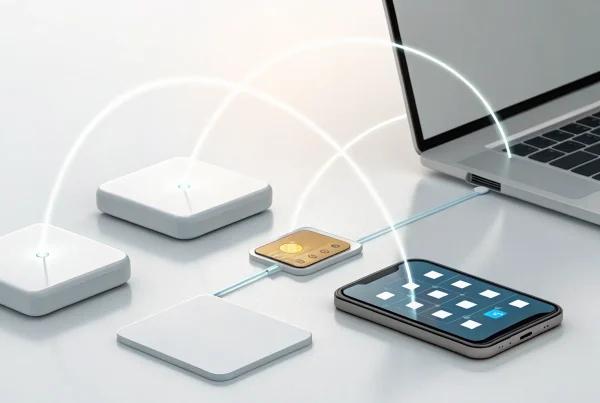
The success of your fundraiser often comes down to removing barriers between a donor’s intention to give and the act of giving itself. One of the biggest hurdles? Not being able to accept their preferred payment method. By setting up a reliable system for card payments, you open the door to more contributions and show your supporters that you operate with professionalism. This guide provides a complete roadmap. We’ll explore the different tools available, from mobile readers to online donation pages, and give you a clear, step-by-step plan on how to take credit card payments for a fundraiser, ensuring a smooth experience for your donors and your team.
Key Takeaways
- Create a Seamless Giving Experience: Make it easy for supporters to give by choosing the right tools for your event—whether online, in-person, or both. A smooth, well-promoted process removes barriers and encourages generosity.
- Prepare Your Team and Technology: Before your event, test every piece of your payment system and train your volunteers. A prepared team can handle peak donation times and troubleshoot minor issues, ensuring a professional experience for everyone.
- Protect Your Donations and Your Donors: Prioritize security by using a PCI-compliant processor to build trust. Understand your fee structure and create a clear refund policy to manage your funds effectively and handle any disputes with confidence.
Which Credit Card Processor Is Best for Fundraisers?
Choosing the right credit card processor is one of the most important decisions you’ll make for your fundraiser. The best partner for you will depend entirely on your specific needs. Are you hosting a live gala, running an online donation drive, or both? Do you need a simple button on your website or a full point-of-sale system for an event? Different processors excel in different areas, from mobile payments to custom online setups. Think about your budget, the technical skills of your team, and what will make the donation process easiest for your supporters. A smooth, trustworthy payment experience can make a huge difference in your fundraising success.
MBNCard Solutions for Nonprofits
For nonprofits focused on maximizing every dollar, we offer solutions designed to keep costs low and transparent. We understand that confusing statements and hidden fees can eat into your donation pool. That’s why we focus on clear, straightforward pricing. Our programs, like dual pricing, can help you offset processing costs, ensuring more of each contribution goes directly to your cause. We provide the secure, reliable payment processing you need to accept donations with confidence, whether online or in person. Our goal is to be a true partner, offering personalized support to help you find the most affordable and efficient setup for your unique fundraising needs.
PayPal for Easy Online Donations
When it comes to online fundraising, PayPal is a household name that donors know and trust. Its familiarity can reduce friction and encourage more people to give. Adding a PayPal donation button to your website or email campaign is incredibly simple, making it a great option if you need a quick and easy solution. Donors can contribute using their credit card or their own PayPal account, giving them convenient options. Because it’s such a widely used platform, many of your supporters will already have an account, allowing them to complete their donation in just a few clicks without having to enter their card details from scratch.
Processors Designed for Nonprofits
Beyond the big names, it’s worth looking into processors that cater specifically to the nonprofit sector. These platforms often come with features built for fundraising, such as options for recurring donations, peer-to-peer fundraising campaign pages, and text-to-give capabilities. Most importantly, any processor you choose must be PCI compliant to protect sensitive donor information. Choosing a service that understands the unique needs of a nonprofit can simplify your operations and help you build lasting trust with your supporters. Look for a provider that not only handles payments but also helps you manage your donor relationships effectively.
What Gear Do You Need to Accept Card Payments?
To start accepting credit and debit cards at your fundraiser, you’ll need a few key pieces of technology. Don’t worry—the setup is much simpler and more affordable than you might think. Gone are the days of clunky, expensive cash registers. Modern payment processing relies on a handful of portable and user-friendly tools that work together seamlessly. Think of it as your fundraising toolkit.
Your basic setup will include a device to read the cards, a smart device like a phone or tablet to run the payment app, the app itself, and a reliable internet connection. Each component plays a specific role in making the donation process quick and secure for your supporters. Having the right payment processing solutions in place means you can capture your donors’ generosity in the moment, whether you’re at a gala, a community fair, or a pop-up event. Let’s walk through exactly what you’ll need to get started.
Mobile Card Readers and Terminals
A mobile card reader is the small, physical device that accepts the donor’s card. It’s what makes on-the-spot donations possible, ensuring you don’t miss out on contributions during the peak of your event. These readers connect to your smartphone or tablet (usually via Bluetooth) and can handle all modern payment types: swiping a magnetic stripe, dipping an EMV chip card, or accepting a contactless tap-to-pay transaction from a card or digital wallet like Apple Pay. Having a reliable credit card reader is essential for a smooth and professional checkout experience that gives donors confidence.
Smartphones and Tablets
You likely already have the most important piece of hardware in your pocket. The smartphone or tablet acts as the command center for your entire payment system. By downloading a Point-of-Sale (POS) app, you can turn a device you already own into a powerful tool for accepting donations. This is incredibly convenient for fundraisers, as volunteers can often use their own phones, minimizing the need for extra equipment. The app communicates with the card reader to process the transaction, send digital receipts, and keep a record of every donation you receive.
Point-of-Sale (POS) Software
The Point-of-Sale (POS) software is the app that runs on your smartphone or tablet. It’s the digital brain of your fundraising operation. A good POS app does more than just process payments; it helps you manage your entire event. You can use it to set custom donation amounts, track fundraising goals in real-time, collect donor information for future outreach, and send immediate thank-you receipts via email or text. This software simplifies your workflow, reduces the chance of human error, and makes it easy to reconcile your funds after the event is over.
Internet Connection Essentials
To process credit card payments in real-time, your tablet or smartphone needs a stable internet connection, either through Wi-Fi or a cellular data plan. Before your event, it’s a great idea to test the venue’s Wi-Fi or ensure you have a strong cell signal. But what happens if the connection drops? Many modern payment systems offer an offline mode. This feature securely captures and stores transaction information on your device and automatically processes the payments as soon as you’re back online. For peace of mind, having a mobile hotspot ready as a backup is always a smart move.
How to Set Up Credit Card Processing for Your Fundraiser
Getting your fundraiser ready to accept credit cards might seem like a big technical task, but it’s actually a series of simple, manageable steps. By setting up a reliable payment system, you make it incredibly easy for people to support your cause, which can make a huge difference in your total donations. A smooth, secure checkout process shows your donors that you’re professional and trustworthy. Let’s walk through the four key stages to get your payment processing up and running, from choosing the right account to training your team for success.
Open Your Merchant Account
First things first, you need a dedicated place for your funds to land. This is called a merchant account. Think of it as the financial hub that allows your organization to accept and process credit and debit card payments. You can partner with a dedicated merchant services provider that specializes in secure, affordable processing, or you can use a mobile POS provider that offers an app to turn your phone or tablet into a payment terminal. The right partner will guide you through the application, help you understand the fee structure, and ensure you have the support you need. Choose a provider that feels like a true partner in your fundraising efforts.
Customize Your Donation Settings
Once your account is active, it’s time to create a seamless giving experience for your donors. If you’re collecting donations online, you’ll want to set up a secure donation page. Most payment platforms allow you to create simple, clean forms that you can embed directly on your website or link to from a “Donate” button. Take a moment to customize these settings. You can add suggested donation amounts (like $25, $50, $100) to make giving quicker, or even offer a recurring donation option for supporters who want to give monthly. The goal is to remove any friction and make generosity as easy as a few clicks.
Test Your Payment System
Before your fundraising event goes live, you absolutely have to test your entire payment system. This is a step you can’t afford to skip. Run a few small test transactions using different credit cards to make sure everything is working correctly. Check your online donation form, test your mobile card reader, and confirm that the funds appear in your merchant account. This is also the perfect time to double-check that your system is secure and follows all security rules, like PCI compliance. A quick test run will give you peace of mind and help you avoid any technical glitches when it matters most.
Train Your Staff and Volunteers
Your technology is only as good as the people using it. Whether you have a team of employees or a group of dedicated volunteers, make sure everyone involved in collecting payments knows exactly what to do. Hold a brief training session to show them how to use the card readers or POS software. Walk them through the process of a transaction, how to handle a declined card, and where to find help if they run into an issue. It’s a great idea to assign a few specific people to be your payment experts on the day of the event. A well-trained team ensures a smooth, professional experience for every single donor.
Breaking Down Credit Card Processing Fees
Accepting credit cards is a fantastic way to make giving easy for your supporters, but it’s not free. Every transaction comes with a small fee. The good news is that these costs are predictable and manageable once you understand what they are. Let’s walk through the different types of fees you might encounter so you can create a clear budget and keep more of every dollar donated.
Understand Transaction Fees
Transaction fees are the costs you pay for processing each individual donation. Think of it as a small service charge for the convenience and security of the transaction. This fee is typically a combination of a percentage of the donation amount plus a small fixed fee (for example, 2.9% + $0.30). These costs cover the various players involved in moving the money, including the credit card network (like Visa or Mastercard), the donor’s bank, and your payment processor. While they’re unavoidable, knowing how they’re calculated helps you anticipate your expenses accurately.
Account for Monthly and Setup Costs
Beyond the cost of each transaction, some payment processors have other fees you’ll want to look for. These can include monthly account maintenance fees, statement fees, or even a one-time setup cost to get your account started. Not every provider charges these, but it’s crucial to ask for a complete fee schedule before you sign up. A transparent partner will be upfront about all potential costs, ensuring there are no surprises on your monthly statement. This allows you to budget effectively and choose a provider whose fee structure aligns with your fundraising goals.
Find Ways to Minimize Your Costs
You have more control over your processing costs than you might think. One of the most effective ways to lower your overall fees is to offer a variety of payment options. For instance, ACH payments (direct bank transfers) often have significantly lower fees than credit cards, making them a great option to encourage for larger or recurring donations. You can also talk to your processor about different pricing models, like flat-rate or interchange-plus, to see which one makes the most sense for your typical donation size and volume. A little strategy here can lead to big savings.
Let Donors Cover the Fees
One of the most popular features for nonprofit payment processing is giving donors the option to cover the fees themselves. It’s a simple and effective way to ensure 100% of their intended gift goes directly to your cause. Most online donation platforms allow you to add a simple checkbox to your form that asks, “Would you like to cover the processing fees?” When a donor checks it, the small fee is added to their total. The key is to be transparent. When donors understand that their extra contribution helps you make an even bigger impact, many are more than happy to chip in.
How to Keep Your Donors’ Information Secure
When someone decides to support your cause, they’re giving you more than just their money—they’re giving you their trust. Protecting their sensitive financial information is one of the most important ways you can honor that trust. It’s not just about checking a box; it’s about showing your supporters that you value their security as much as their generosity. A secure donation process reassures donors that their data is safe, which encourages them to give confidently and repeatedly.
Think of data security as the foundation of your fundraising efforts. Without it, everything else can feel a bit shaky. The good news is that you don’t have to be a cybersecurity expert to get it right. By partnering with a reliable payment processor and understanding a few key principles, you can create a secure and seamless giving experience. Focusing on compliance, using the right technology, and being transparent with your donors will help you build lasting relationships and protect your organization’s reputation. Let’s walk through the essential steps to keep your donors’ information safe.
Meet PCI Compliance Standards
First things first, let’s talk about PCI compliance. It sounds technical, but the concept is simple: it’s a set of security rules created by major credit card companies to protect customer data. Any organization that accepts card payments needs to follow these rules. For a nonprofit, the easiest way to handle this is by choosing a payment processor that is already PCI compliant. This shifts the heavy lifting from your team to your provider, as they manage the secure infrastructure needed to process payments safely. When you’re vetting processors, make sure “PCI compliant” is at the top of your checklist. It’s a non-negotiable standard that protects both your donors and your organization.
Use a Secure Payment Gateway
A payment gateway is the technology that securely transmits donation information from your website or card reader to the payment processor. Think of it as a digital armored car for your donors’ financial data. A secure gateway ensures that sensitive details like credit card numbers are protected from the moment a donor hits “submit.” Your payment processor should provide a secure gateway as part of its service. This is what keeps data safe as it travels across the internet, preventing fraudsters from intercepting it. When you set up your donation page or terminal, you’re relying on this gateway to do its job, so be sure your provider offers a proven and reliable solution.
Encrypt All Donor Data
Encryption is the process of scrambling data so that it can only be read by someone with the right key. It’s a critical layer of security that protects information both in transit and when it’s stored. When a donor enters their card details, end-to-end encryption ensures that information is unreadable to anyone trying to intercept it. Reputable payment processors automatically encrypt all transaction data, so you don’t have to manage it yourself. The key is to choose a partner that makes encryption a standard feature. This ensures that even if data were somehow compromised, it would be completely useless to unauthorized parties, keeping your donors’ information safe.
Build Trust Through Security
Ultimately, all these security measures serve one crucial purpose: building and maintaining your donors’ trust. When supporters feel confident that their personal and financial information is protected, they’re more likely to give generously and become recurring donors. You can reinforce this trust by being transparent about your security practices. Add security badges from your payment provider to your online donation page to show donors you’ve taken steps to protect them. A secure, smooth donation experience reflects well on your entire organization and shows supporters that you operate with integrity. It turns a simple transaction into a positive interaction that strengthens your relationship with your community.
Online vs. In-Person: Where Should You Accept Donations?
Deciding where to accept donations—online, in-person, or both—is a key part of your fundraising strategy. The best answer isn’t about choosing one over the other; it’s about creating a seamless experience that meets your donors wherever they are. An online portal is perfect for reaching a broad audience, while in-person events build powerful, immediate connections. By understanding the strengths of each channel, you can build a flexible system that makes giving easy and accessible for everyone who wants to support your cause. This multi-channel approach ensures you never miss an opportunity to connect with a potential donor.
Use Online Platforms and QR Codes
An online donation page is your fundraiser’s digital home base. It’s always on, accessible to anyone, anywhere, and it makes giving incredibly simple. You can link to it from your social media, email newsletters, and website, creating a direct path for supporters to contribute. To make the experience even smoother, you can use QR codes to bridge the gap between your physical and digital efforts. Place a QR code on event flyers, posters, or even presentation slides. A quick scan with a smartphone takes donors straight to your payment page, letting them give in just a few taps without having to type in a URL.
The Benefits of In-Person Giving
There’s a special energy at a live fundraising event that you just can’t replicate online. The personal connection, the shared excitement, and the tangible sense of community can inspire incredible generosity. Accepting donations on-site captures that momentum. When a donor feels moved by a speech or a presentation, you want to give them an immediate way to act on that feeling. Setting up a dedicated station with a credit card terminal or having volunteers roam with mobile card readers makes the process feel professional and secure. This direct interaction also gives you a chance to thank donors personally, strengthening their connection to your cause.
Try a Hybrid Fundraising Approach
Why limit yourself to just one method? A hybrid approach combines the reach of online platforms with the personal touch of in-person events, creating a powerful, flexible fundraising machine. This strategy lets you cater to everyone’s preferences. Some donors love the convenience of giving from their couch, while others prefer the experience of a live event. By offering multiple options—like a text-to-give number, QR codes on tables, and traditional credit card terminals—you remove potential barriers and make it easy for anyone to contribute. A hybrid model ensures your fundraiser is accessible to your entire community, maximizing your potential impact.
Use Mobile Solutions for Events
Mobile payment technology has completely changed the game for live fundraisers. Instead of being tied to a stationary donation table, your team can accept payments from anywhere in the venue. Equip your staff and volunteers with smartphones or tablets and a simple mobile card reader. This allows them to process donations on the spot, whether they’re talking to a donor at their dinner table or mingling during a cocktail hour. These mobile solutions are not only convenient but also integrate directly with your fundraising software, so you can track your progress in real-time. It’s a simple way to capture donations the moment inspiration strikes.
How to Promote Your Credit Card Donation Options
Setting up credit card processing is a huge step, but your work isn’t quite done. Simply offering the option isn’t enough—you have to let people know about it. Promoting your payment methods is all about making the donation process as seamless and straightforward as possible for your supporters. When people know they can easily contribute with a card, they’re more likely to come prepared to give generously.
Think of it from a donor’s perspective. They want to support your cause, but they might not carry much cash. By clearly communicating that you accept credit cards, you remove a major barrier to giving. Effective promotion before and during your event ensures that every potential donor knows their preferred payment method is welcome. This simple act of communication can have a significant impact on your fundraising totals. From social media shout-outs to clear signage at your event, a little promotion goes a long way in making your fundraiser a financial success.
Announce Payment Options Before Your Event
Don’t wait until the day of your fundraiser to talk about payments. Start spreading the word as soon as you begin promoting the event itself. Reach out to your existing supporters through your email newsletter and post on your social media channels. Make sure to mention that credit and debit card donations will be accepted on your event registration page and in all promotional materials. This simple heads-up allows attendees to plan accordingly and ensures they arrive ready to contribute. A well-thought-out fundraising promotion plan helps build excitement and sets clear expectations for a smooth and successful event.
Use Clear Signs and Visuals
When guests arrive at your event, make it immediately obvious how they can donate. Use clear, eye-catching signs at the entrance, registration desk, and any dedicated giving stations. Display the logos of the credit cards you accept (like Visa, Mastercard, and American Express) so there’s no confusion. You can also use modern tools to make giving even easier. For example, placing signs with a large, scannable QR code that links directly to your online donation page allows people to give from their seats using their smartphones. Visual cues are powerful reminders that encourage on-the-spot generosity.
Create Multiple Channels for Giving
People like to give in ways that are most convenient for them, so offering a variety of payment channels is key. In addition to accepting cards in person with a mobile reader, make sure you have a user-friendly online donation page for those who prefer to give from home. You can also explore options like text-to-give, where supporters can donate by sending a simple text message. By creating a multi-channel fundraising strategy, you make it easy for everyone to support your cause, whether they’re attending your event in person or cheering you on from afar.
Remind Your Existing Donors
Your most loyal supporters are often your most generous, so make it incredibly simple for them to give again. Send a targeted email or text message to your past donors in the days leading up to your event, reminding them of the cause and letting them know they can easily contribute with a credit card. During the event, you can take this a step further. Assign a few friendly volunteers or staff members to walk around with tablets or smartphones equipped with mobile card readers. This personal touch makes it easy for someone to act on their impulse to give right in the moment.
Solve Common Fundraising Payment Problems
Even the best-planned fundraiser can hit a snag. From slow payment lines to messy spreadsheets, these common issues can distract from your mission. The good news is that a little preparation goes a long way. Here’s how you can get ahead of potential problems and ensure a smooth donation experience for everyone involved.
Overcome Technical Setup Hurdles
Nothing slows down the giving spirit like a technical glitch. Before your event, run several test transactions on all your devices—from card readers to online donation forms. Assign a tech-savvy volunteer or staff member to be the go-to person for payment processing. This individual can manage the terminals, answer questions, and troubleshoot any issues that arise. Using simple and reliable mobile payment solutions ensures that your team can confidently accept donations anywhere, anytime, without needing extensive training. A smooth process keeps the focus on your cause, not on a frozen screen.
Integrate with Your Donor Management Software
Manually entering donation data is time-consuming and prone to error. Integrating your payment processor with your donor management software automates this entire process. When a donation is made, the information flows directly into your donor database, saving you hours of administrative work. This seamless connection not only simplifies your workflow but also helps you maintain accurate records for communication and tax purposes. Offering a diverse suite of payment options that all feed into one system creates a better experience for your donors and your team, making post-event follow-up a breeze.
Prepare for Peak Donation Times
During a gala or a 24-hour giving campaign, you can expect a rush of donations. If everyone is funneled through a single payment point, you’ll end up with long lines and frustrated donors. Prepare for these peak moments by creating multiple ways to give. Set up several credit card terminals at your event, display QR codes that link to a mobile-friendly donation page, and promote a text-to-give option. These donation-boosting tools spread out the traffic, reduce wait times, and make it incredibly easy for supporters to contribute the moment they feel inspired.
Simplify Your Record-Keeping
Accurate financial records are non-negotiable for any nonprofit. When your payment processor automatically captures every transaction, you eliminate the guesswork and manual data entry that can lead to mistakes. Each donation is logged with the donor’s name, amount, and date, creating a clean, searchable history. This makes it much easier to track your fundraising progress, issue timely tax receipts, and analyze giving patterns over time. By reducing friction in the donation process, you not only encourage more giving but also ensure every dollar is accounted for with minimal effort from your team.
How to Handle Refunds and Payment Disputes
Even with the best intentions, refunds and payment disputes can happen. A donor might accidentally donate twice, enter the wrong amount, or simply change their mind. While it can feel stressful, having a clear plan in place makes these situations much easier to manage. A thoughtful approach not only resolves the immediate issue but also helps maintain a positive relationship with your donors, which is crucial for long-term support.
The key is to be proactive rather than reactive. By setting clear expectations with a public refund policy, communicating effectively to prevent misunderstandings, and establishing a straightforward process for when disputes do occur, you can handle these bumps in the road with confidence. This protects your organization from costly chargeback fees and preserves the goodwill you’ve worked so hard to build. Think of it as another way to show your donors that you value their support and are committed to transparency.
Create a Clear Refund Policy
Your first line of defense is a clear, easy-to-find refund policy. This simple document sets expectations from the start and can prevent a minor issue from turning into a major headache. Post it on your website and link to it from your donation forms. Your policy should explain under what circumstances a refund can be issued, the timeframe for requesting one, and who to contact. Being upfront builds trust and shows donors you operate professionally.
When a refund request comes in, try to process it promptly. A quick, hassle-free refund can turn a potentially negative experience into a positive one, leaving the donor with a good impression of your organization. It’s often better to issue a refund directly than to risk an unhappy donor initiating a formal dispute with their credit card company.
Prevent Chargebacks Before They Happen
A chargeback occurs when a donor contacts their bank to dispute a transaction, forcing a refund. They can be costly, often coming with extra fees and damaging your relationship with your payment processor. The best way to handle chargebacks is to prevent them from happening in the first place. Clear communication is essential. Make sure your organization’s name is easily recognizable on credit card statements so donors don’t mistake the charge for something fraudulent.
If a donor reaches out with an issue, encourage them to work with you directly. Let them know you’re happy to process a refund if needed. This direct approach is almost always preferable to a formal chargeback dispute. By keeping the lines of communication open and being responsive, you can resolve most issues before they escalate, saving you time, money, and stress.
Follow a Simple Dispute Process
Even with preventative measures, a dispute might still occur. When it does, having a simple, documented process will help you respond efficiently. Your payment processor is your partner here. Processors like Stripe, PayPal, and Shift4 all have built-in resources and dashboards for managing payment disputes. Familiarize yourself with their process before you ever need it.
When you receive a dispute notification, gather all relevant information about the transaction, including donation records and any communication you’ve had with the donor. The processor will guide you through the steps of either accepting the dispute or submitting evidence to challenge it. Keeping organized records is key to presenting a strong case and resolving the issue quickly, allowing you to get back to focusing on your mission.
Related Articles
- Payment Processing for Nonprofits: What You Need to Know
- 5 Cheapest Ways to Accept Credit Card Payments Online
- 5 Credit Card Processing Companies with Lowest Fees
Frequently Asked Questions
I’m running a small fundraiser on a tight budget. Are credit card processing fees going to eat up all my donations? That’s a completely valid concern, but you might be surprised by how affordable it can be. Think of processing fees as a small investment to make giving much easier for your supporters. Many people don’t carry cash, so by not accepting cards, you could be missing out on significant donations. Plus, you can use programs that help offset these costs, like giving donors the option to cover the fees themselves. When you choose a transparent processor, you’ll find that the increase in total donations far outweighs the cost of the fees.
What’s the most common mistake people make when setting up payments for a live event? The biggest mistake is easily avoidable: not doing a full test run before the event begins. It’s so important to test your entire system in the actual venue if possible. This means connecting your card reader, running a few small transactions, and checking the internet connection. You don’t want to discover the Wi-Fi is spotty or a card reader isn’t paired correctly when you have a line of eager donors. A quick test run gives you peace of mind and helps you solve any technical hiccups before they can impact your fundraiser.
Is it really okay to ask donors to cover the processing fees? Won’t they be turned off by that? It’s not only okay, but it’s also becoming a very common and accepted practice. The key is transparency. When you frame it as an optional choice that allows 100% of their intended gift to go directly to your mission, people are often happy to help. Most donation platforms make this a simple checkbox during checkout. Donors appreciate knowing exactly where their money is going, and giving them the choice to cover the small fee empowers them to make an even bigger impact.
PCI compliance sounds intimidating. Is that something my small team has to manage ourselves? It definitely sounds more complicated than it is for you. While PCI compliance is a critical security standard, you don’t have to become a security expert to meet it. Your main responsibility is to choose a payment processor that is already PCI compliant. Reputable providers handle the complex security requirements on their end, like encryption and secure data storage. This takes the technical burden off your shoulders so you can focus on your fundraising goals, knowing your donors’ information is protected.
There are so many options—Square, PayPal, Stripe. Where do I even begin to choose the right one for my fundraiser? The best way to start is by thinking about your specific needs rather than the processor’s brand name. Ask yourself a few simple questions. Is your fundraiser primarily online or in-person? Do you need a simple “donate” button for your website, or do you need mobile card readers for a live gala? If you need something quick and trusted for online giving, PayPal is a great starting point. If your event is all about in-person interaction, Square is fantastic. Answering these basic questions first will help you narrow the field and find the perfect fit for your event.