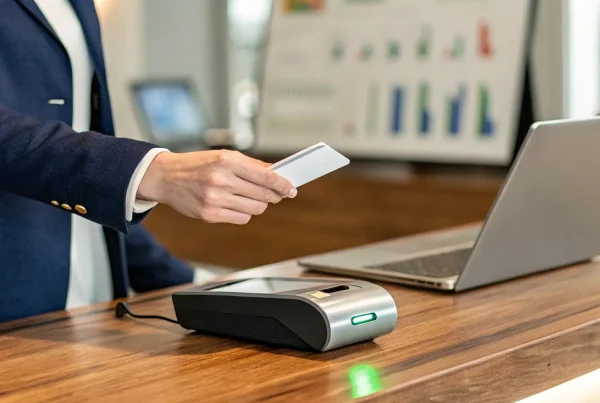
Let’s be honest: dealing with credit card processing can be a major headache. Confusing statements, hidden fees, and unreliable tech can make you feel like you’re losing money and control. A great merchant services provider changes that. They act as a trusted partner, bringing clarity and simplicity to your payments. They provide the secure technology to process transactions and the support you need when things go wrong. Your online account becomes your command center for managing it all. This guide will show you how to find a provider that makes your life easier, starting from the moment you use your merchant services login credit card credentials to track your first deposit.
Key Takeaways
- Prioritize partnership over price: The lowest rate isn’t always the best deal. A true partner provides transparent fee structures, robust PCI-compliant security, and accessible customer support that protects your business and simplifies your operations.
- Find a solution that fits your business model: The right provider depends on your unique needs. Evaluate your sales volume, how you sell (in-person, online, or both), and existing software integrations to choose a system that works for you, not against you.
- Actively manage your processing costs: Don’t treat fees as a fixed expense. Ask your provider about programs like dual pricing or cash discounts, and remember to renegotiate your rates as your business grows to ensure you keep more of your revenue.
What Are Merchant Services for Credit Card Processing?
Think of merchant services as the complete toolkit your business needs to accept credit cards, debit cards, and other electronic payments. It’s not just a single piece of hardware or software; it’s the entire system that works behind the scenes to make sure transactions are processed securely, funds are transferred correctly, and you get paid. This system connects your business, your customer, and the various financial institutions involved in every sale.
A merchant services provider is the company that bundles these tools and facilitates the entire process for you. They provide everything from the physical point-of-sale (POS) system on your counter to the secure payment gateway on your website. Beyond just moving money, many providers offer additional features that help with overall business management, like inventory tracking, customer data analysis, and detailed sales reporting. Choosing the right provider is a key decision, as they become an essential partner in the daily operation and growth of your business.
What Merchant Services Actually Do
At its core, a merchant service provider acts as the crucial intermediary in every card transaction. When a customer pays, the provider takes that transaction information and securely communicates it between your business, the credit card network (like Visa or Mastercard), and the customer’s bank. They are responsible for getting the transaction authorized in seconds. Once approved, they ensure the funds are settled and deposited into your business bank account. This involves providing the necessary hardware, software, and security protocols to make the entire process smooth and safe for both you and your customers.
From Swipe to Deposit: How a Transaction Works
Ever wonder what happens in the few seconds after a customer taps their card? First, your POS system or online checkout sends the encrypted transaction details to your provider’s payment processor. The processor then routes the information to the customer’s card network and issuing bank to verify the account has sufficient funds. An approval or decline message is sent back almost instantly. At the end of the day, all your approved transactions are bundled together in a “batch” and sent for settlement. The funds are then transferred from the customers’ banks to your merchant account, typically appearing in your business bank account within one to two business days.
Why Your Business Needs a Merchant Service Provider
In short, to meet customer expectations and grow your sales. Today, customers expect the convenience of paying with a card. Accepting credit cards is no longer a luxury but a necessity for nearly every business. A reliable merchant service provider makes your business look more professional, can improve your cash flow with quick deposits, and often leads to higher sales since customers aren’t limited by the cash they have on hand. A great provider also helps you stay competitive by keeping your payment technology and security standards up to date, protecting your business and your customers from fraud.
How Do I Access My Merchant Services Account?
Once you’re set up with a merchant services provider, your online account becomes your command center for managing payments. This is where you’ll track transactions, view statements, and get insights into your sales. Getting logged in is usually simple, but knowing what to do if you run into trouble—and how to keep your account secure—is key. Let’s walk through how to get into your account and find your way around.
How to Log In to Your Account
To get started, head to your provider’s website and look for the merchant login or sign-in page. You’ll need the credentials you set up during registration, which typically include a username and password. Some providers may also ask for your Merchant ID (MID) to log in. Your MID is a unique number that identifies your business to the payment networks. You can usually find your MID in your welcome email, on your monthly statements, or within your account settings once you’re logged in. Be sure to store your login information in a secure place, like a password manager, so you can access it easily without compromising security.
Can’t Log In? Here’s What to Do
If you’re having trouble logging in, start with the basics: double-check that you’re using the correct username and password, and make sure your caps lock key is off. If that doesn’t work, use the “Forgot Password” link to reset it. If you’re still locked out, the issue might be more complex. Sometimes, accounts are temporarily suspended due to compliance issues. Things like incomplete tax documentation, expired business licenses, or other verification problems can prevent access. If you suspect this is the case, reach out to your provider’s support team directly to find out what’s needed to resolve it and get back online.
Keeping Your Account Safe
Your merchant account contains sensitive financial data, so security is a top priority. Always use a strong, unique password for your account—a mix of upper and lowercase letters, numbers, and symbols is best. I highly recommend enabling two-factor authentication (2FA) if your provider offers it. This adds an extra layer of protection by requiring a second verification step, like a code sent to your phone. Your provider also plays a big role in security. A reputable company will use robust security measures, including fraud prevention tools and end-to-end encryption, to protect your business and your customers from cyber threats.
Finding Your Way Around the Dashboard
Once you’re logged in, take a few minutes to explore your dashboard. This is where you’ll find everything you need to manage your payments. You should be able to easily view daily transactions, check the status of your deposits, download monthly statements, and manage disputes or chargebacks. A good provider designs their dashboard to be intuitive and user-friendly. They should also be fully compliant with the Payment Card Industry Data Security Standard (PCI DSS), which ensures your data is handled securely. If you can’t find what you’re looking for, check for a help section or contact customer support for a quick tour.
What Features Should You Look for in a Merchant Services Provider?
Choosing a merchant services provider feels like a huge commitment, and in many ways, it is. This is the partner you’re trusting to handle your money, so it’s not a decision to take lightly. While it’s easy to get bogged down comparing rates, the best provider for your business offers more than just a low price. You need a partner who is transparent, secure, and genuinely invested in helping you succeed. Think of it like hiring a key team member—you want someone reliable, skilled, and easy to work with. When you’re vetting your options, look past the flashy sales pitches and focus on the core features that will impact your daily operations, protect your customers, and support your growth. From crystal-clear pricing to rock-solid security and support that actually answers the phone, here are the essential features to look for.
Clear Pricing and Fees
Let’s start with the big one: money. Nothing is more frustrating than getting a statement filled with confusing charges and hidden fees. A trustworthy provider will be upfront about their pricing structure. The merchant fee—what you’re charged for each transaction—should be easy to understand. Ask potential providers to walk you through their entire fee schedule, including interchange rates, assessment fees, and their own markup. Look for a partner who offers transparent models like interchange-plus pricing and is willing to explain exactly what you’ll be paying and why. Vague answers are a major red flag. You should feel confident that the rate you’re quoted is the rate you’ll actually get.
Top-Notch Security and Compliance
In the world of payments, security is non-negotiable. Your merchant service provider must be compliant with the Payment Card Industry Data Security Standard (PCI DSS). This is the gold standard for protecting cardholder data. Think of it as a set of strict rules that ensures sensitive information is handled securely, from the moment a card is swiped or typed in, to the time the transaction is complete. A provider that prioritizes PCI compliance helps protect your business from data breaches, which can lead to devastating fines and, even worse, a loss of customer trust. Always confirm that a provider is fully PCI compliant before signing on.
Seamless Tech and Integrations
Your payment processor should make your life easier, not more complicated. That’s where technology and integrations come in. Your provider should work smoothly with the tools you already use to run your business, whether it’s your point-of-sale (POS) system, your accounting software like QuickBooks, or your e-commerce platform. A seamless integration saves you from the headache of manual data entry, reduces the risk of errors, and gives you a clearer picture of your sales and finances. Before you commit, ask about their integration capabilities and make sure their technology is flexible enough to grow with your business.
Reliable Customer Support
When your payment system goes down, every minute counts. You can’t afford to wait on hold for hours or get stuck in an endless email loop. That’s why reliable, accessible customer support is a must-have. Look for a provider that offers 24/7 support from real, knowledgeable humans who can help you troubleshoot issues with your account or equipment. A great partner will be there to assist you with any payment-related questions, from understanding your statement to handling a chargeback. Check reviews and ask directly about their support channels and average response times. You want a team that has your back when you need it most.
Tools to Prevent Fraud
Protecting your business from fraudulent transactions is just as important as protecting it from data breaches. A good merchant services provider will offer a suite of fraud prevention tools to safeguard your revenue. Features like the Address Verification Service (AVS), which compares the billing address to the one on file with the card issuer, and CVV verification are essential first lines of defense. For online businesses, tokenization and encryption are also critical for securing customer payment data. These tools not only protect your bottom line by reducing chargebacks but also help build confidence with your customers, showing them that you take their security seriously.
Which Merchant Services Providers Offer the Best Credit Card Processing?
Finding the right merchant services provider can feel like a huge task, but it’s one of the most important decisions you’ll make for your business. The right partner doesn’t just process payments; they make your life easier, keep your costs predictable, and help you create a smooth checkout experience for your customers. Think of them as a silent partner in every sale. The best provider for a local coffee shop with heavy foot traffic will have different needs than a growing online boutique shipping products worldwide. It’s all about matching the features, fee structures, and support to your specific business model.
To help you get started, we’ve looked at some of the top players in the industry. Each one offers a unique set of strengths, whether you’re looking for straightforward pricing, powerful customization, or seamless e-commerce integration. We’ll walk through what makes each of these providers stand out, from industry giants known for their user-friendly platforms to dedicated partners focused on personalized service. This comparison will give you a clearer picture of which one might be the perfect fit for your business, so you can choose with confidence and get back to what you do best—running it.
MBNCard Merchant Services
As a family-owned provider that’s been in the business since 1991, MBNCard focuses on building transparent, cooperative relationships with merchants. If you’re tired of confusing statements and hidden fees, their straightforward approach is a breath of fresh air. They offer a full suite of services, including standard credit card processing, gift and loyalty programs, and POS equipment. They also specialize in programs like cash discounting that can significantly lower your processing costs. While it’s worth noting they are not accredited by the BBB, many customer reviews highlight their helpful and transparent service, making them a solid choice for business owners who value a direct and honest partnership.
Square
Square is incredibly popular with small businesses, and for good reason. It’s known for its user-friendly system and simple, flat-rate pricing, which makes it easy to predict your costs without worrying about monthly fees or complicated contracts. Getting started is fast—you can begin accepting payments with their free point-of-sale app and a simple card reader. Square’s platform is designed to be an all-in-one solution, offering tools for everything from in-person and online payments to invoicing and team management. It’s an excellent option for new businesses, food trucks, and retailers who want a reliable and uncomplicated way to get paid.
PayPal
Almost everyone recognizes the PayPal logo, and that brand trust is a major advantage for your business. When customers see a familiar payment option, they’re more likely to feel secure and complete their purchase. PayPal’s merchant services let you accept payments online, in-person, and via invoices, making it a flexible choice for many business models. Beyond standard processing, it offers features for subscription billing and a mobile card reader for on-the-go sales. For businesses that want to give customers a trusted and convenient way to pay, PayPal is a powerful and widely accepted solution.
Stripe
If your business operates primarily online and you love having control over the customer experience, Stripe is built for you. It’s a powerful, developer-centric platform known for its flexibility and robust APIs that let you create a completely custom payment system. While it’s a favorite among tech startups and e-commerce stores, you don’t have to be a coder to use it. Stripe offers a clean user interface and tools that support a wide range of payment methods, including digital wallets like Apple Pay and Google Pay, and international currencies. It’s the ideal choice for online businesses that plan to scale and need a payment processor that can grow with them.
Shopify Payments
For anyone selling on the Shopify platform, using Shopify Payments is almost a no-brainer. Because it’s built directly into Shopify, there’s no need to deal with a third-party processor or gateway. Everything is managed from one dashboard, which simplifies your operations immensely. When you use Shopify Payments, you get competitive, flat-rate pricing and a seamless checkout experience for your customers. It also makes it easy to accept payments in multiple currencies, which is perfect for stores with an international audience. If you’re already part of the Shopify ecosystem, this integrated solution is the most convenient and efficient way to handle your transactions.
How Do You Choose the Right Provider for Your Business?
Picking a merchant service provider can feel like a huge decision, but it doesn’t have to be overwhelming. The key is to find a partner that fits your specific business needs, not just a one-size-fits-all solution. Think about your daily operations, your sales volume, and where you see your business in a few years. By focusing on a few key areas—from your sales patterns to the fine print in the contract—you can confidently select a provider that will support your growth and make managing payments a breeze.
Consider Your Sales Volume and Business Type
The right provider for a bustling restaurant will have different strengths than one for a brand-new online store. Start by looking at your transaction volume. If you’re processing a high number of sales, you might qualify for lower rates. If you’re just starting out, you’ll want a provider with flexible options that can scale with your business as you grow. Also, consider how you sell. A brick-and-mortar shop needs reliable in-person hardware, while an e-commerce business needs a secure and seamless online payment gateway. Make sure the provider you choose specializes in your type of business.
Look Beyond the Basic Fees
That super-low processing rate you see advertised often doesn’t tell the whole story. It’s crucial to get a full picture of all potential costs. Ask for a complete fee schedule and look for things like monthly statement fees, PCI compliance fees, and chargeback penalties. Beyond the numbers, think about the value of support. When your payment system goes down, you need fast, effective help. Find out who you’ll be calling for support, their hours of availability, and if that support comes at an extra cost. Great customer service can be worth far more than the lowest possible rate, especially when you’re in a pinch.
Check How Easy the Platform Is to Use
You and your team will be using this system every day, so it needs to be intuitive. A complicated point-of-sale (POS) system can slow down checkout lines, and a confusing online dashboard can make it impossible to track your sales. Look for a provider that offers a clean, user-friendly interface and straightforward reporting. Your monthly statements should be easy to understand, not a puzzle you have to solve to figure out what you’re paying. A good provider will offer a simple onboarding process and be available to walk you through your first few statements so you know exactly where your money is going.
Read the Fine Print: Contracts and Flexibility
Before you sign anything, take a close look at the contract terms. Some providers lock you into long-term agreements—sometimes for three years or more—with hefty early termination fees if you want to leave. This can be a major problem if your business needs change or if you’re unhappy with the service. Look for providers that offer month-to-month contracts or more flexible terms. This gives you the freedom to make a change without being penalized. A provider that is confident in their service won’t need to lock you into an ironclad contract to keep your business.
What Programs Can Lower Your Processing Fees?
Credit card processing fees are an unavoidable part of doing business, but they don’t have to eat into your profits. Many business owners resign themselves to high rates, thinking they’re just a fixed cost. The good news is, that’s not true. You have more control over your processing expenses than you might think. With the right strategy and a supportive payment partner, you can significantly lower your monthly costs and keep more of your hard-earned revenue. It’s all about finding a program that fits how you operate and what your customers value.
Think of your payment processor as a strategic partner, not just a utility provider. The best providers offer flexible programs designed to help you save money. These aren’t secret loopholes or complicated workarounds; they’re established, compliant systems like dual pricing and cash discounts that incentivize certain payment methods. Sometimes, savings come from simply having a conversation with your provider about your sales volume or asking about special offers they might be running. The key is to be proactive. By understanding the options available, you can stop passively accepting high fees and start actively managing them. Let’s walk through a few of the most effective programs that can put money back into your business.
Save with Dual Pricing
One of the most direct ways to eliminate processing fees is through a dual pricing program. Here’s how it works: you display two prices for every item or service—a standard price for credit card payments and a slightly lower price for cash or debit payments. This isn’t a penalty for using a card; it’s a clear and transparent way to show customers the built-in cost of credit card processing. When a customer chooses to pay with a credit card, they cover the processing fee themselves. This approach allows you to effectively offset your processing costs on every card transaction, making your monthly statements much more predictable.
Offer a Cash Discount
A cash discount program works similarly to dual pricing but is framed as a reward for paying with cash. Instead of showing two prices, you list the standard credit card price and offer a discount to customers who choose to pay with cash. This simple incentive encourages more cash transactions, which naturally reduces the number of transactions you have to pay processing fees on. It’s a straightforward strategy that customers easily understand and appreciate. By promoting the cash discount, you can lower your overall processing volume and see a real difference in your monthly expenses, all while giving your cash-paying customers a nice little perk.
Get Better Rates for Higher Volume
As your business grows, your payment processing rates shouldn’t stay the same. Providers often reserve their best rates for businesses that process a high volume of transactions. If your sales have increased significantly since you first opened your merchant account, you have leverage to negotiate a better deal. Don’t wait for your provider to offer it—reach out and start the conversation. This is especially important for businesses that might be considered high-risk, as a consistent, high sales volume can demonstrate stability and help you secure more favorable terms. Regularly review your transaction volume and use that data to advocate for lower rates.
Look for Waived Fees and Special Offers
Sometimes, lowering your costs is as simple as asking what’s available. Merchant service providers often run promotions that can include waived setup fees, free terminal placements, or special introductory rates. It’s always worth checking with your provider to see if you qualify for any current offers. You can also ask about different pricing models, like an Interchange Pass-Through program, which is designed to give businesses the lowest possible overall cost. Don’t be afraid to contact your provider and ask directly, “How can you help me lower my fees?” A good partner will work with you to find a solution that helps your business thrive.
Related Articles
- How to Accept Credit Cards for Small Business in 4 Steps
- The Ultimate Guide to Business Payment Processing
- Merchant Services Credit Card Processing 101
Frequently Asked Questions
What’s the difference between a merchant account and my regular business bank account? Think of a merchant account as a temporary holding place for your credit and debit card sales. When a customer pays with a card, the money first goes into your merchant account. At the end of the day, all those transactions are bundled together and transferred to your actual business bank account. You can’t write checks or pay bills from a merchant account; its sole purpose is to facilitate the secure transfer of funds from your customers’ banks to yours.
Is PCI compliance my responsibility or my provider’s? It’s a partnership, but a good provider does most of the heavy lifting. Your merchant services provider is responsible for ensuring their equipment, software, and payment gateways are fully secure and compliant with PCI standards. Your role is to use those tools correctly, which means using strong passwords, not writing down customer card numbers, and following the security best practices your provider recommends. A great partner will make it simple for you to stay compliant.
How quickly will I actually get my money after a sale? For most providers, you can expect to see funds from your card sales deposited into your business bank account within one to two business days. The exact timing depends on when you “batch out,” which is the process of closing your sales for the day and sending the transaction data for processing. If you close out late in the evening, for example, the process might start the next business day. Bank holidays can also add a day to the timeline.
Are programs like dual pricing and cash discounts legal for my business? Yes, these programs are legal and compliant in most areas when they are set up correctly. The key is transparency. With dual pricing, you must clearly display both the card price and the cash price so customers can choose. With a cash discount, the discount must be clearly offered from the standard card price. Customers generally respond well to these programs because they appreciate the choice and the opportunity to save money by paying with cash.
What happens if I want to switch merchant service providers? This all comes down to the contract you signed. Some providers lock you into multi-year agreements with expensive early termination fees, which can make switching a major headache. That’s why it’s so important to find a partner who offers month-to-month terms. If you aren’t locked into a long-term contract, switching is usually a straightforward process of closing your old account and setting up the new one. A provider who is confident in their service won’t need to trap you with a restrictive contract.