You put so much effort into creating amazing food and a great customer experience. The final step in that experience is the payment. A clunky, slow, or unreliable transaction can leave a bad final impression, no matter how delicious the meal was. On the other hand, a quick and seamless payment process reinforces your professionalism and respect for your customers’ time. Your card reader is a direct extension of your customer service. That’s why finding the best wireless credit card reader for food trucks is about more than just technology; it’s about ensuring every customer leaves happy from start to finish. We’ll show you what to look for in a device that makes paying as easy as ordering.
Key Takeaways
- Prioritize features built for a mobile business: Your card reader needs to work anywhere you do, so look for a long-lasting battery, flexible 4G and Wi-Fi connectivity, and an offline mode to keep sales going even when the internet isn’t.
- Focus on security and speed to improve the customer experience: Build trust with a PCI-certified reader that uses end-to-end encryption. Keep your line moving by accepting all payment types, especially quick tap-to-pay options like Apple Pay and Google Pay.
- Evaluate the payment partner, not just the hardware: The cheapest device can cost you more in the long run. Analyze the complete fee structure, demand transparent pricing, and choose a provider that offers reliable customer support for when you need it most.
What to Look for in a Food Truck Card Reader
Choosing a card reader for your food truck isn’t like picking one for a brick-and-mortar shop. Your payment system needs to be as mobile, tough, and reliable as your business. When you’re serving a long line of hungry customers during the lunch rush, the last thing you need is a dead battery, a dropped connection, or a security scare. Think of your card reader as a key member of your crew. It needs to show up and perform, day in and day out. To find the right fit, you need to focus on a few core features that are non-negotiable for any business on wheels.
All-Day Battery Life and Portability
Your food truck runs on long hours, and your card reader should too. A long-lasting battery is essential, since you can’t always count on having an outlet nearby, especially at festivals or farmers’ markets. Look for a device that can handle a full day of transactions on a single charge. Portability is just as important. Your reader should be lightweight and compact enough to pass back and forth through a service window without being clumsy. It needs to be easy to hold and operate with one hand while you’re managing orders with the other. A durable build that can withstand a few bumps is a huge plus in a fast-paced mobile business.
Rock-Solid Security and PCI Compliance
Protecting your customers’ payment information is your responsibility, and it’s a big one. A security breach can damage your reputation and lead to serious fines. That’s why you should only consider readers with top-notch security features. Look for PCI certification, which is the industry standard for keeping card data safe. Your reader must also have end-to-end encryption to scramble data from the moment a card is swiped or tapped. This makes the information useless to fraudsters. Support for EMV chip cards is another must-have, as it provides an extra layer of fraud protection that older magnetic-stripe cards lack.
Fast Processing and Reliable Connectivity
A long line is great, but only if it’s moving quickly. Slow transactions can frustrate customers and cost you sales. Your card reader needs to process payments in seconds. This speed depends heavily on its connectivity. The best wireless terminals offer multiple ways to connect, like 4G, Wi-Fi, and Bluetooth. Think about where you typically operate. If you’re often at large events where Wi-Fi is congested or in areas with spotty service, a reader with a reliable 4G cellular connection is your best bet. This flexibility ensures you can accept payments no matter where your truck is parked for the day.
Offline Mode for When Wi-Fi Fails
What happens when the internet goes down completely? At a busy festival or a remote location, a lost connection can bring your sales to a screeching halt. This is where an offline mode becomes a business-saver. This feature allows your card reader to securely accept and store credit card payments even without an active internet connection. Once you’re back online, the device automatically processes all the queued transactions. It’s the ultimate business continuity plan, giving you the peace of mind to keep serving customers and making money, even when technology isn’t cooperating. Don’t overlook this feature; it can easily turn a potentially disastrous day into a profitable one.
The Best Wireless Card Readers for Food Trucks
Now that you know what features to look for, let’s get into the specifics. Choosing a card reader isn’t a one-size-fits-all decision. The best device for a weekend taco truck might not be the right fit for a fleet of mobile coffee carts. Your sales volume, budget, and existing systems all play a role in finding the perfect match. To make it easier, I’ve broken down six of the most popular options on the market. We’ll look at what makes each one stand out and what potential drawbacks you should keep in mind before you commit.
MBNCard Mobile Payment Solutions
If you’re looking for a partner instead of just a piece of hardware, MBNCard is a great place to start. The focus here is on personalized service and transparent pricing, which is a breath of fresh air in an industry often filled with confusing fees. We work with you to find the right setup for your truck and can help you implement programs like dual pricing to significantly reduce or even eliminate your transaction fees. This approach is perfect for owners who want a mobile payment solution tailored to their specific needs, not a generic, out-of-the-box reader.
Square Reader for Contactless and Chip
You’ve definitely seen the little white Square reader. It’s incredibly popular, and for good reason. The interface is user-friendly, and the initial hardware cost is often free, making it an attractive option for new food trucks. However, it’s important to go in with your eyes open. Some business owners have run into issues with sudden account freezes and have found it difficult to get a real person on the phone for support. While the low startup cost is a plus, those potential service disruptions can be a major headache during a busy lunch rush.
Clover Go
For food truck owners who are already using or considering a Clover point-of-sale system, the Clover Go is a natural fit. This compact reader is designed to integrate perfectly with the entire Clover ecosystem, making your daily operations smooth and streamlined. It’s known for being reliable and easy for your team to use on the go. Because it’s part of a larger system, you get the benefit of robust reporting and management tools on the back end, helping you track sales and inventory right from your POS dashboard.
PayPal Zettle
If your business already uses PayPal for online payments or invoicing, PayPal Zettle can be an incredibly convenient choice. The setup is simple, especially for existing PayPal users, and its transaction rates are competitive. The reader itself is straightforward and handles all the essential payment types your customers expect. The main drawback to watch for is connectivity. Some users have reported occasional app crashes or connection issues, which could slow you down when you have a long line of hungry customers waiting to pay.
SumUp Air
Looking for a simple, no-nonsense solution? The SumUp Air is a fantastic option. It’s a sleek, portable reader that does exactly what you need it to do without any complicated features or long-term contracts. One of its biggest selling points is the lack of monthly fees; you only pay a flat rate per transaction. This makes it an excellent choice for food trucks that are just starting out, operate seasonally, or have a lower volume of card sales. It’s a simple and affordable way to start accepting payments right away.
Verifone Mobile Readers
When speed, security, and reliability are your top priorities, Verifone is a name you can trust. Their mobile readers, like the Ingenico IWL250, are built like tanks and are designed for high-volume environments. They process transactions quickly and securely, which is essential for keeping the line moving during peak hours. While they might have a higher upfront cost than some of the simpler readers, their robust performance and advanced security features make them a worthwhile investment for established food trucks that can’t afford any payment processing slowdowns.
Breaking Down the Costs of a Wireless Card Reader
Figuring out the true cost of a wireless card reader can feel like solving a puzzle. It’s not just about the price of the device itself. You also have to account for processing rates, monthly subscriptions, and other fees that can pop up. To make the best choice for your food truck, you need to look at the complete financial picture, from the day you buy the reader to the ongoing costs of using it. Let’s break down the three main areas where you’ll see costs.
Upfront Costs: Hardware and Setup
Your first expense will be the hardware. The price for a wireless reader can range from under $50 for a simple device to several hundred for a more advanced terminal. When you’re deciding what to buy, it’s smart to think about your specific needs, like your business size, transaction volume, and how you’ll connect to the internet. Some processors offer a “free” terminal when you sign up for their services, but this deal often comes with higher processing fees or a long-term contract. Always do the math to see if a free device will actually save you money in the long run.
Per-Transaction Fees and Processing Rates
This is where things can get tricky. Every time you process a payment, you’ll pay a fee. These rates can be structured in a few different ways, like a flat percentage of the sale plus a few cents per transaction. A low advertised swipe fee might look appealing, but it’s essential to understand the full scope of your costs. As one guide to the best mobile credit card readers points out, you have to check all the costs, including monthly fees, to understand the total price. For food trucks just starting out, some companies offer low-cost handheld models or even leasing options to help manage your initial expenses.
Monthly Charges and Potential Hidden Fees
Beyond the cost of the reader and the transaction fees, many payment processors have monthly charges. These can include account maintenance fees, statement fees, or charges for PCI compliance. Hidden fees are a common frustration for business owners, with one report finding that 70% of users are annoyed by unexpected charges that weren’t clear from the start. This is why it’s so important to work with a transparent provider. Before you commit, ask for a complete schedule of fees in writing. This simple step ensures you know exactly what you’re paying for and helps you avoid any unwelcome surprises on your monthly statement.
Security Features You Can’t Afford to Skip
When you’re serving a long line of hungry customers, the last thing you want to worry about is a data breach. Protecting your customers’ payment information is just as important as protecting your cash box. Choosing a card reader with the right security features isn’t just about following rules; it’s about building trust and safeguarding your business from costly fraud. Let’s walk through the three security essentials you absolutely need in a wireless card reader.
EMV Chip Support for Fraud Protection
Remember when we all used to swipe the magnetic stripe on our cards? Those days are mostly behind us for a good reason: security. Modern cards have a small, metallic square called an EMV chip, which creates a unique code for every transaction. This makes it incredibly difficult for fraudsters to copy card information. When choosing your reader, make sure it accepts EMV chip cards, as this technology makes payments significantly more secure. It’s a simple feature that offers powerful protection for you and your customers, giving them peace of mind with every purchase.
The Importance of End-to-End Encryption
Think of end-to-end encryption as a digital armored car for your customers’ payment data. From the moment a card is dipped, tapped, or swiped, this technology scrambles the sensitive information, making it unreadable to anyone trying to intercept it. The data stays encrypted all the way to the payment processor, ensuring it’s secure throughout its journey. The best terminals have strong security features like end-to-end encryption to protect you from fraud. This isn’t just a nice-to-have feature; it’s a fundamental layer of security for any mobile business.
What PCI Certification Means for You
You might see the term “PCI compliant” and wonder what it means for your food truck. The Payment Card Industry (PCI) has a set of strict security standards for handling cardholder data. A card reader with PCI certification has been tested and approved to meet these high standards. This certification is your assurance that the device is designed to keep data safe with features like encryption. Choosing a PCI-certified reader is a critical step in protecting your business and simplifying your own compliance efforts, letting you focus more on your food and less on fraud.
Payment Types Your Reader Needs to Accept
When the lunch rush hits, the last thing you want is to turn away a customer because you can’t accept their preferred payment method. Your goal is to make paying as quick and painless as ordering. A modern card reader should be an all-in-one solution, ready for whatever your customers pull out of their pockets. Think about the variety of people you serve every day. Some will want to tap their phone, others will dip a chip card, and a few might still have an old-school swipe card. To keep your line moving and your sales flowing, you need a device that handles it all without a second thought.
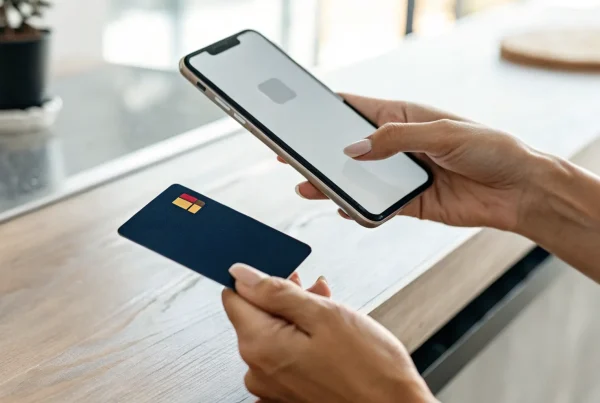
Make sure your card reader accepts every common payment type: chip cards (dip), contactless cards (tap), and traditional magnetic stripes (swipe). It should also be equipped to handle popular digital wallets like Apple Pay and Google Pay, which are quickly becoming the standard for fast, secure transactions. Offering this flexibility isn’t just about making a single sale; it’s about building a reputation for convenience. Customers remember the places that make their lives easier. A versatile payment system signals that you’re a professional, customer-focused business, which can encourage repeat visits and positive word-of-mouth. The more payment options you offer, the smoother your operations will be.
Contactless Payments and Mobile Wallets
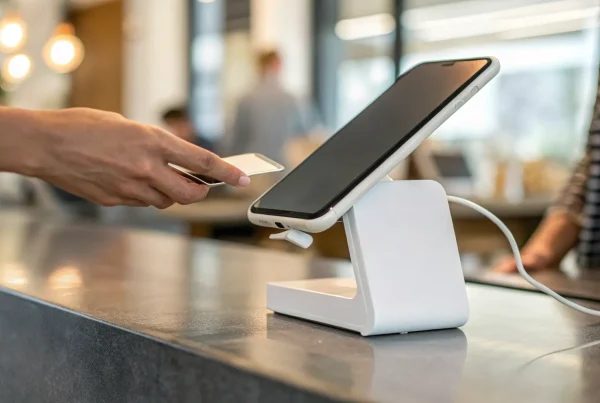
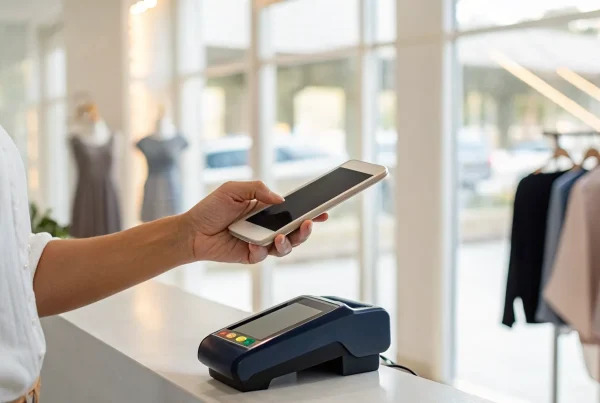
For a food truck, speed is everything. Contactless payments, including mobile wallets like Apple Pay and Google Pay, are the fastest way to complete a sale. Customers simply tap their phone, smartwatch, or contactless card on the reader, and the transaction is done in seconds. This method is not only quick but also incredibly secure, using tokenization to protect card information. In a fast-paced environment where every second counts, offering tap-to-pay isn’t just a convenience; it’s a critical tool for improving customer throughput and reducing wait times. It shows your customers that you value their time and are up-to-date with modern payment technology.
The Essentials: Chip and Swipe Cards
While mobile payments are on the rise, physical cards are still king. Your wireless reader absolutely must accept EMV chip cards. The “dip” method is a security standard that protects both you and your customers from fraud. Most people carry chip cards, and they expect to be able to use them everywhere. At the same time, you can’t forget about the traditional magnetic stripe. Some customers may still have older cards, or a card’s chip might be damaged. Having a reader that can still handle a quick swipe ensures you never have to turn down a sale. A versatile reader that accepts both chip and swipe is fundamental for any business.
The Convenience of Tap-to-Pay Technology
Beyond just accepting contactless cards, embracing tap-to-pay technology streamlines your entire checkout process. This feature is built for the food truck environment, where you’re often handling food and payments in a tight space. It minimizes physical contact, which is great for hygiene, and simplifies the transaction for your staff. When integrated with a modern point-of-sale (POS) system, tap-to-pay helps you manage orders, track inventory, and process payments from a single, user-friendly interface. The best terminals are designed to be intuitive and reliable, ensuring that every transaction is seamless from start to finish. This efficiency allows you to serve more customers and focus on what you do best: making great food.
Will It Survive a Day on the Truck?
Your food truck is a fast-paced, high-energy environment. Your payment terminal needs to be more than just a piece of tech; it has to be a reliable partner that can handle the heat, the hustle, and the occasional mishap. From spilled sauces to bumpy rides between locations, your card reader will be put to the test every single day. A consumer-grade device just won’t cut it. You need a rugged, dependable machine that keeps up with you, processes payments in a flash, and stays connected no matter where you park. Let’s break down the key features that ensure your card reader is tough enough for food truck life.
Durability for Spills, Bumps, and Weather
Let’s be real: a food truck can be a chaotic workplace. You’re dealing with hot oil, sizzling grills, and customers lining up, all within a few square feet. Your card reader needs to be built to withstand this environment. Look for terminals known for their tough construction, capable of handling accidental spills, bumps, and the general wear and tear of a mobile kitchen. Devices like the Ingenico IWL250 are popular in demanding settings for a reason. They’re designed for the rigors of both retail and food service, ensuring a little splash or a bumpy ride won’t shut down your sales. Think of it as an investment in peace of mind.
Staying Connected, No Matter Your Location
Your business is on wheels, which means you might be serving lunch in a bustling downtown one day and catering a festival in a remote park the next. Consistent internet isn’t always a guarantee. That’s why your wireless reader must have flexible connectivity options. The best terminals support 4G cellular data in addition to Wi-Fi, giving you a reliable backup when the local network is weak or unavailable. A long-lasting battery is also non-negotiable. You can’t afford to have your reader die mid-shift, so prioritize a model that can power through your busiest days without being tethered to a charger.
Processing Speed During the Lunch Rush
When you have a long line of hungry customers, every second counts. A slow payment process can lead to frustrated patrons and lost sales. Your card reader needs to handle transactions quickly and efficiently, whether customers want to dip a chip card, tap their phone, or swipe a magnetic stripe. An essential feature for any food truck is an offline mode. This allows you to continue accepting card payments even if your internet connection drops completely. The terminal securely stores the transaction data and processes it once you’re back online. This is a lifesaver for mobile businesses that can’t risk downtime.
How to Choose the Right Reader for Your Business
You’ve seen the top contenders, but how do you pick the one that’s actually right for you? The perfect card reader isn’t a one-size-fits-all solution. It depends on your sales, your current setup, and how much support you need when things go wrong. Thinking through these key areas will help you find a device that works as hard as you do, keeping your lines moving and your customers happy. Let’s break down what you need to consider before making a final decision.
Matching Your Reader to Your Sales Volume
Your sales volume is one of the biggest factors in choosing a reader and a payment processor. If your food truck is just starting out or you have a seasonal business, a pay-as-you-go plan is often the best fit. You only pay when you make a sale, which keeps your overhead low during slower periods. On the other hand, if you have a steady stream of customers and high transaction volumes, a monthly plan might save you money in the long run with lower per-transaction fees. It’s all about finding a payment processing model that aligns with your business’s rhythm.
Connecting to Your Point-of-Sale (POS) System
Your card reader is only one piece of the puzzle; it needs to work seamlessly with your point-of-sale (POS) system. Before you commit, confirm that the reader is compatible with the software you use to manage orders, inventory, and sales reports. An integrated system prevents you from having to manually enter sales data, which saves time and reduces errors. Also, check its connectivity options. A reader that can switch between Wi-Fi, 4G, and Bluetooth gives you the flexibility to process payments reliably, whether you’re at a festival with spotty service or parked in your usual downtown spot.
Why Great Customer Support Matters
Imagine it’s your busiest lunch hour and your card reader stops working. This is when you’ll be glad you chose a provider with excellent customer support. Technical glitches happen, but long hold times and unhelpful answers can turn a small issue into a major sales loss. With some studies showing that a large number of users report bad experiences with customer service, it’s crucial to prioritize this. Look for a payment partner that offers responsive, knowledgeable help when you need it most. Good support isn’t just a bonus; it’s a lifeline for your business when you’re in a pinch and need to get back to serving customers quickly.
Related Articles
- How Do Wireless Credit Card Terminals Work? Explained
- 7 Best Mobile Credit Card Readers for Small Business
- 6 Best Credit Card Readers for Android
Frequently Asked Questions
What’s the single most important feature for a food truck card reader? While long battery life is crucial, the most important feature is actually a combination of reliable connectivity and an offline mode. Your location changes daily, and you can’t always count on strong Wi-Fi. A reader with a 4G cellular backup ensures you can process payments almost anywhere, while an offline mode acts as your safety net, allowing you to keep taking card payments even if you lose connection completely.
I’m just starting my food truck. What’s the most budget-friendly option? For a new business, it’s tempting to grab a reader with no upfront hardware cost. Options like SumUp or Square are popular because their pay-as-you-go models keep your fixed costs low. However, always look at the complete picture. A “free” reader can sometimes come with higher per-transaction fees that cost you more as your sales grow. It’s smart to compare the transaction rates and monthly fees to find the most affordable solution for your expected sales volume.
Do I really need to accept payments like Apple Pay and Google Pay? Absolutely. For a food truck, speed is your best friend. Contactless payments, including mobile wallets, are the fastest way to complete a transaction, which is essential for keeping a long line moving during a lunch rush. Accepting these payment types isn’t just about convenience; it’s about efficiency. It shows customers you value their time and helps you serve more people in less time.
All these processing fees are confusing. How can I avoid surprise charges? The best way to avoid surprises is to demand transparency from your payment processor. Before you sign any agreement, ask for a complete schedule of all potential fees in writing. This should include transaction rates, monthly account fees, PCI compliance charges, and anything else that might show up on your statement. A reputable partner will have no problem providing this, ensuring you know exactly what you’re paying for.
How is choosing a reader for a food truck different from a regular retail store? A food truck is a business on the move, so your equipment has to be tough, portable, and self-sufficient. Unlike a retail store with a stable power source and internet connection, you need a reader with an all-day battery, durable construction to handle bumps and spills, and flexible connectivity options like 4G. An offline mode is also far more critical for a food truck, as you’re more likely to operate in areas with unreliable service.