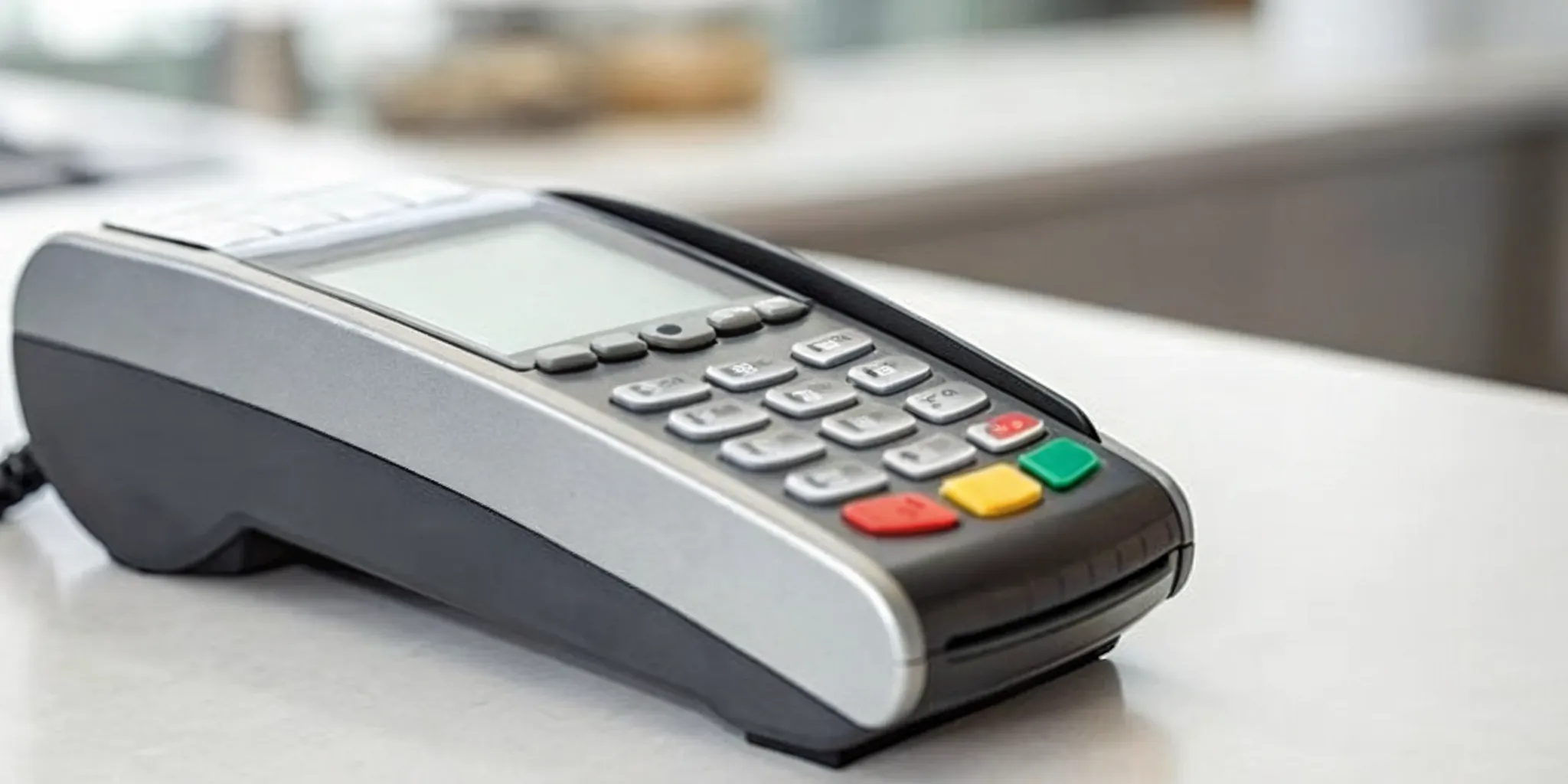
Upgrading your payment hardware might feel like just another expense on a long to-do list, but it’s one of the smartest moves you can make for your business. A modern terminal is more than just a new piece of equipment; it’s a powerful tool that protects your revenue, your customers, and your reputation. Think of it as an insurance policy that pays for itself by preventing costly fraud and chargebacks. This is why the decision to buy a credit card terminal with a chip reader is about more than just hardware; it’s a strategic investment in your business’s health, security, and ability to build lasting customer trust.
Key Takeaways
- Focus on the total cost, not just the sticker price: Your terminal’s real expense includes ongoing processing fees and potential fraud liability. Choosing a partner with transparent pricing will save you money in the long run.
- Choose a terminal that fits your workflow: The best device depends on how you do business. Consider your daily sales volume, whether you need a mobile or countertop reader, and any industry-specific features you require, like tip adjustments.
- Prioritize security and payment options: Your terminal must be EMV-compliant to protect your business from fraud liability. It should also accept every way your customers want to pay, from chip cards to mobile wallets, to create a seamless checkout experience.
How to Choose the Right Chip Card Reader
Picking a new credit card terminal can feel a bit like shopping for a new car. They all seem to do the same basic thing, but the details really matter. The right terminal can make your checkout process smooth, keep your customers’ data safe, and even save you headaches down the line. But with so many options, how do you know which one is the perfect fit for your business? It comes down to focusing on a few core areas: security, payment flexibility, ease of use, and how well it plays with your other systems. Let’s break down what you should look for in each of these categories.
Prioritize Key Security Features
First things first, let’s talk security. In the world of payments, protecting your customers’ information is non-negotiable. A single data breach can seriously damage your reputation and your bottom line. That’s why you should only consider terminals that are built with security at their core. Look for devices that are PCI-compliant, which means they meet the industry’s data security standards. Your terminal must support EMV chip cards and use advanced security measures like encryption and tokenization. These features work together to scramble sensitive card data, making it useless to fraudsters and keeping you and your customers safe.
Make Sure It Accepts Every Payment Type
Imagine a customer reaching the front of the line, ready to pay with their phone, only to find out your terminal doesn’t accept contactless payments. It’s an awkward moment that can slow down your sales process. To avoid this, choose a versatile reader that can handle every way your customers want to pay. This includes traditional magstripe swipes, secure EMV chip dips, and contactless payments (NFC) from mobile wallets like Apple Pay and Google Pay. Offering this flexibility not only makes for a better customer experience but also shows that your business is keeping up with modern payment trends.
Find a Terminal That’s Easy to Use
A complicated piece of equipment that no one knows how to use is just a fancy paperweight. Your credit card terminal should be intuitive for both your team and your customers. A great terminal has a clear, bright screen, simple on-screen prompts, and processes transactions quickly. When a device is easy to use, your staff can be trained in minutes, checkout lines move faster, and customers leave feeling good about their experience. You want the payment process to be the smoothest part of their visit, and a user-friendly terminal is key to making that happen.
Check Its Connectivity and Integration Options
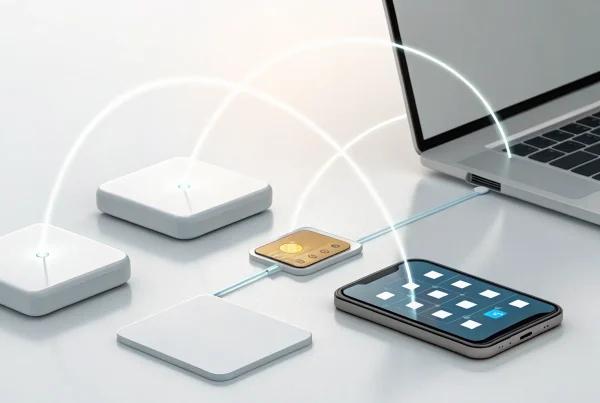
Your payment terminal doesn’t operate in a vacuum. It needs to connect reliably to the internet and communicate with your other business systems. Before you buy, check its connectivity options. Does it connect via Wi-Fi, an Ethernet cable, or even a cellular network for on-the-go payments? More importantly, can it integrate with your existing point-of-sale (POS) system or accounting software? A terminal that works seamlessly with your other tools, often through a secure payment gateway, helps automate your operations, reduce manual entry errors, and give you a clearer picture of your sales data.
Why Investing in EMV Chip Technology Pays Off
Upgrading your payment terminal might feel like just another expense, but investing in EMV chip technology is one of the smartest moves you can make for your business. It’s more than just a new piece of hardware; it’s a powerful tool that protects your revenue, your customers, and your reputation. Think of it as an insurance policy that pays for itself by preventing costly problems down the road. From tightening security to building customer confidence, a modern chip reader is essential for any business that wants to operate securely and efficiently.
Protect Your Business with Encryption
When a customer pays with a card, their financial information is incredibly vulnerable. That’s where encryption comes in. Modern credit card terminals use high-level data encryption to scramble sensitive card data the moment it’s captured. This process turns the information into a secure, unreadable code, making it useless to fraudsters even if they manage to intercept it. By using a terminal with robust encryption, you create a secure environment for every transaction, protecting both your customers’ information and your business from the devastating impact of a data breach. It’s a fundamental layer of security that works behind the scenes to keep everyone safe.
Lower Your Risk of Fraud and Chargebacks
If you’ve ever dealt with a chargeback, you know how frustrating and expensive they can be. EMV chip technology was specifically designed to combat counterfeit card fraud, a major source of chargebacks. Each time a chip card is used, it creates a unique, one-time code for that specific transaction. This makes it nearly impossible for criminals to create a counterfeit card and use it at your business. Since the liability shift in 2015, businesses without EMV-capable terminals are often held responsible for fraudulent chip card transactions. Upgrading your equipment is a direct way to reduce your risk and protect your bottom line from unnecessary losses.
Build Customer Trust and Confidence
Your payment process is a critical touchpoint in the customer experience. When customers see that you’re using up-to-date, secure technology like a chip reader, it sends a clear message: you care about protecting their information. A smooth and secure checkout process makes customers feel safe and valued, which helps build loyalty and encourages repeat business. In contrast, an outdated terminal or a clunky payment system can create friction and doubt. By providing a secure and professional checkout, you help your business run more smoothly and show your customers that you’re a trustworthy merchant they can feel good about supporting.
Stay Compliant with Industry Standards
Running a business means following certain rules, and payment processing is no exception. The payment card industry has a set of security standards, known as PCI compliance, that all merchants must follow to protect cardholder data. Using an EMV-compliant terminal is a cornerstone of meeting these requirements. Modern terminals are built to accept EMV chip cards and contactless payments securely, helping you stay on the right side of industry regulations. Staying compliant isn’t just about avoiding fines; it’s about operating a responsible business and maintaining your ability to accept card payments long-term.
The Best Chip Card Readers for Your Business
Once you know what features you need, it’s time to look at specific models. The market is full of reliable options, but a few brands consistently stand out for their security, ease of use, and performance. Think of this as a starting point. The perfect terminal for a bustling restaurant will be different from the one a freelance photographer uses on the go. The key is to find a device that fits seamlessly into your daily operations.
At MBNCard, we help you find the right hardware to match your business goals and processing needs, ensuring you get a solution that’s both effective and affordable. Let’s explore some of the most trusted names in the industry.
MBNCard Payment Solutions
We believe that the right technology should make your life easier, not more complicated. That’s why we offer a curated range of payment terminals that are reliable, secure, and built to handle the demands of your business. Our mobile and countertop solutions are designed to accept all major payment methods, giving your customers a smooth and professional checkout experience every time. We work with you to understand your specific needs, whether you run a retail shop, a service business, or an online store, to pair you with the perfect device.
Verifone Models
Verifone is a name you’ll see in busy retail environments for a reason. Their terminals are known for being durable and feature-rich. For example, the VeriFone MX925 is a powerhouse designed for high-volume stores. It comes with a large color screen for easy signature capture and can process both EMV chip cards and NFC payments like Apple Pay. While it has a higher price point, its versatility makes it a solid investment for businesses that need a fast, all-in-one countertop terminal.
Ingenico Options
If you’re looking for a dependable terminal that delivers high security without a hefty price tag, Ingenico is an excellent choice. The Ingenico Desk 3500 is a popular model that offers a great balance of performance and affordability. It handles chip and tap-to-pay transactions smoothly and meets the latest security standards to protect your data. This terminal is a fantastic option for small to mid-sized businesses, like cafes or boutiques, that need a straightforward and cost-effective solution that gets the job done right.
First Data Terminals
First Data, now part of Fiserv, offers some of the most user-friendly terminals available, making them a favorite among small business owners. The First Data FD130, for instance, is praised for its simple interface and affordability. It’s ready for EMV chip payments right out of the box and provides a reliable way to process transactions without a steep learning curve. For merchants who want a no-fuss, dependable machine, a First Data terminal is a practical choice that supports the needs of most small to medium-sized businesses.
How Much Does a Chip Reader Terminal Really Cost?
Let’s talk about the numbers. When you’re looking for a new chip reader, the price tag on the terminal itself is just one piece of the puzzle. The total cost involves the hardware, software, installation, and the ongoing fees you’ll pay with every swipe, dip, or tap. It’s easy to get drawn in by a low upfront price for a terminal, but the real expense often lies in the fine print of your processing agreement.
Thinking about the total cost of ownership will save you from surprises down the road. A seemingly cheap terminal could be tied to a contract with high transaction fees that eat into your profits over time. On the other hand, a more expensive, feature-rich system might come with a more favorable processing rate that saves you money in the long run. The key is to look beyond the initial hardware cost and understand the complete financial picture before you commit. We’ll break down what you can expect to pay for the terminal and the hidden fees to watch out for.
Breaking Down Prices by Terminal Type
The upfront cost of a chip reader can range from under a hundred dollars for a simple mobile reader to several thousand for a full point-of-sale (POS) system. While some providers advertise terminals for just a few hundred dollars, that number can be misleading. Once you factor in software, register connectors, and professional installation, a single EMV card machine can end up costing much more. It’s important to ask for a complete quote that includes every component you need to get up and running. Also, consider whether you want to buy your equipment outright or lease it, as leasing can lower your initial investment but may cost more over time.
Watch Out for Processing Fees and Hidden Costs
The most significant ongoing cost you’ll face is credit card processing fees. For most small businesses, these fees typically fall between 1.5% and 3.5% of each transaction. This is where the details really matter. A fraction of a percent might not sound like much, but it adds up quickly over thousands of transactions. Beyond the per-transaction rate, be on the lookout for other charges. Some processors add monthly subscription fees, statement fees, PCI compliance fees, or early termination penalties if you decide to switch providers. Always ask for a full breakdown of fees so you know exactly what you’re paying for.
Where to Find the Best Deals and Support
Finding the right terminal at the right price means partnering with a payment provider who takes the time to understand your business. Instead of just selling you a box, a good partner offers a consultative approach to find the most cost-effective solution for your specific needs. They should be transparent about all costs and help you compare different hardware options, from basic card scanners to portable, hand-held terminals. At MBNCard, we focus on building relationships. We’ll walk you through your options, explain the fee structures clearly, and provide the ongoing support you need to process payments smoothly and affordably.
Find the Right Terminal for Your Business
Choosing a credit card terminal isn’t a one-size-fits-all decision. The sleek, simple reader that works for a coffee cart might not cut it for a busy restaurant, and the robust system a retail store needs would be overkill for a freelance photographer. The right terminal for you depends entirely on how you do business. Thinking through your daily operations will help you narrow down the options and find a solution that truly supports your goals.
Before you get swayed by fancy features or a low sticker price, take a step back and consider three key areas: your sales volume, where you make your sales, and the specific demands of your industry. Answering these questions will give you a clear picture of what you need, saving you from buying a terminal that’s either too much for your current needs or not enough to keep up with your growth. This thoughtful approach ensures you invest in a tool that makes your life easier and keeps your customers happy.
Match the Terminal to Your Sales Volume
How many transactions do you process each day? Your sales volume is a major factor in determining the right terminal for your budget and operational needs. If you’re just starting out or have a lower volume of sales, a simple, low-cost reader might be the perfect fit. You could even explore renting a terminal to keep upfront costs down while you grow. This approach gives you flexibility without a significant initial investment.
On the other hand, if your business is bustling with a high number of daily transactions, it makes more sense to invest in a durable, high-performance terminal. Purchasing a more advanced model outright can be more cost-effective in the long run than renting. These terminals are built to handle constant use and often come with faster processing speeds and more features, which helps you keep the line moving and improve the customer experience. Your business’s financial strategy should guide whether buying or renting makes the most sense for your long-term expenses.
Choose Between Mobile and Countertop Readers
Where you connect with your customers is just as important as how many you have. Your sales environment will point you toward either a mobile or a countertop solution. If you run a business that’s always on the move, like a food truck, a pop-up shop, or a service that makes house calls, a mobile card reader is essential. These portable devices allow you to accept payments anywhere, turning your smartphone or tablet into a point-of-sale system. When comparing mobile options, look at battery life, connectivity, and durability.
For businesses with a fixed location, like a retail boutique, salon, or restaurant, a traditional countertop terminal is often the better choice. These sturdy devices are designed to stay in one place and can handle a high volume of transactions without a hitch. They typically offer more robust features, like printing paper receipts, and can easily integrate with other hardware like cash drawers and barcode scanners. The key is to find a terminal that fits seamlessly into your existing checkout counter and workflow.
Consider Your Industry’s Unique Needs
Every industry has its own quirks, and payment processing is no exception. The terminal that’s perfect for a retail store might not have the specific functions a restaurant needs. That’s why it’s so important to choose a device that’s tailored to your line of work. For example, if you own a restaurant or coffee shop, you’ll need a terminal that can easily manage tips, split bills, and keep tabs open.
Similarly, a salon or spa might need a system that integrates with its appointment booking software, while a retail shop will benefit from a terminal that connects to its inventory management system. Taking the time to identify the specific needs of your business will help you find a terminal that does more than just process payments. It becomes a central part of your operations, helping you work more efficiently and serve your customers better.
Common Myths About Chip Card Readers, Busted
When it comes to payment technology, it’s easy to get tangled in a web of misinformation. You’ve probably heard conflicting advice about chip card readers, leaving you unsure about what’s necessary, what’s affordable, and what’s actually effective. Let’s clear up some of the most common myths floating around. Understanding the truth about EMV technology helps you make smarter, more confident decisions for your business.
Separating fact from fiction is the first step toward securing your transactions and protecting your bottom line. From mandatory upgrades to the real costs involved, we’ll break down what you truly need to know. Think of this as your straightforward guide to the world of chip card readers, so you can invest in the right tools without the guesswork. We’ll tackle four major misconceptions head-on, giving you the clarity you need to move forward.
Myth: The EMV Upgrade Is Mandatory
Let’s set the record straight: no law says you must upgrade to an EMV chip reader. However, not upgrading comes with a major financial risk. Before chip cards became standard, banks typically absorbed the cost of fraudulent transactions. Now, a liability shift puts the responsibility on whichever party has the less secure technology. If a customer pays with a chip card and you only have a magnetic stripe reader, you could be held liable for any counterfeit fraud that occurs. EMV technology was specifically designed to reduce counterfeit card-present fraud, so adopting it is a critical step in protecting your business from costly chargebacks.
Myth: Chip Readers Are Too Expensive
The sticker price of a terminal can be intimidating, and it’s true that the total cost goes beyond the hardware itself. When you factor in everything from installation, new terminals, new computer software, and system integration, the investment can seem significant. But it’s important to view this as a protective measure, not just an expense. The cost of a single fraudulent chargeback could easily exceed the price of a new terminal. Plus, many payment processors offer affordable leasing options or even free terminals when you sign up for a merchant account, making the upgrade much more accessible for small businesses.
Myth: Chip Cards Eliminate All Fraud
While EMV chip cards are a huge leap forward in security, they aren’t a silver bullet. Their main job is to prevent counterfeit card fraud during in-person transactions by creating a unique code for each sale. This makes it incredibly difficult for criminals to clone a card and use it at a store. However, this technology doesn’t protect your business from other threats, like malware or phishing attacks, which can compromise your systems in other ways. That’s why it’s still essential to maintain PCI compliance and practice good overall data security to keep your business and your customers safe.
Myth: All Processing Fees Are Created Equal
It’s a common misconception that all credit card processing fees are the same, but they can vary dramatically. Most small businesses pay between 1.5% and 3.5% per transaction, but that rate depends on many factors. The type of card used (debit, credit, rewards), the transaction method (in-person, online), and your pricing model (interchange-plus, flat-rate) all affect your final cost. Some providers also hide extra charges in your monthly statement. Finding a transparent partner who can explain their credit card processing fees clearly is key to managing your expenses and avoiding unpleasant surprises.
Related Articles
- 6 Best Credit Card Machines for Phones
- Top 5 EMV Readers for iPhone
- 5 Best Portable Credit Card Machines for Small Business
Frequently Asked Questions
What really happens if I stick with my old magnetic stripe reader? While there’s no law forcing you to upgrade, you do take on a significant financial risk. Since the liability shift, if a customer uses a chip card at your business and you can only swipe it, you are typically responsible for any counterfeit fraud that occurs. Upgrading to an EMV-compliant terminal is the most direct way to protect your business from those potentially expensive chargebacks.
Is a “free” terminal from a payment processor actually free? Often, a “free” terminal is used to lock you into a long-term contract with unfavorable terms. The provider might make up for the hardware cost by charging higher processing rates, monthly minimums, or steep early termination fees. It’s always better to understand the total cost, including all transaction and account fees, rather than focusing only on the upfront price of the equipment.
How do I know if I need a mobile reader or a countertop terminal? The answer comes down to where you do business. If you take payments on the go, like at markets, client homes, or trade shows, a portable mobile reader is your best bet. For businesses with a dedicated checkout area, such as a retail store or salon, a sturdy countertop terminal is more practical as it can handle higher transaction volumes and often integrates with other hardware like cash drawers.
Besides accepting chip cards, what’s the most important feature to look for? Security features like encryption and tokenization are non-negotiable, but beyond that, integration is key. A terminal that can communicate seamlessly with your point-of-sale (POS) system or accounting software will save you countless hours of manual work. This connection helps automate sales reporting, reduce human error, and give you a much clearer view of your business’s performance.
My business is unique. How do I find a terminal with features for my industry, like managing tips? The best way is to work with a payment partner who understands your industry’s specific demands. A good provider will ask about your operations and recommend hardware with tailored features, whether you need to manage tips and open tabs for a restaurant or integrate with booking software for a salon. Don’t settle for a generic solution; look for a terminal that actively supports your workflow.