As a business owner, dealing with fraud and chargebacks can feel like a constant battle. But what if you could stop most fraudulent transactions before they even happen? The key is a proactive approach to security, starting with your payment system. By understanding the threats and implementing the right protections, you can create a secure environment that safeguards your revenue and builds customer confidence. This guide is your resource for understanding the essential security layers, from encryption to real-time fraud monitoring. We will cover the most secure online payment methods for websites and show you how to create a checkout process that works as a shield for your business.
Key Takeaways
- Meet customer expectations with diverse payment options: Offering a variety of secure methods, from credit cards to digital wallets, removes friction at checkout. This simple step can significantly lower cart abandonment and make your business accessible to a broader audience.
- Choose a processor with robust, layered security: A secure payment system relies on multiple defenses working together. Look for essential features like encryption, tokenization, and real-time fraud monitoring to protect your business and your customers’ sensitive data.
- Proactively build trust at checkout: Reassure customers by displaying familiar security badges and accepted payment logos. A clear privacy policy and a smooth, mobile-friendly payment process also signal that you take their security seriously, which is key to earning their loyalty.
What Are the Most Secure Online Payment Methods?
When a customer reaches your checkout page, the last thing you want is for them to hesitate. Offering a variety of secure and familiar payment options is one of the best ways to build trust and complete the sale. But with so many choices out there, which ones should you prioritize? Let’s walk through the top five secure online payment methods to help you decide what’s right for your business and your customers. Each method offers a unique blend of security, convenience, and cost-effectiveness, ensuring you can meet the needs of every shopper who visits your site.
Credit and Debit Cards
Credit and debit cards are the undisputed champions of online checkout, and for good reason. They are the most common payment method, and customers know and trust them. Accepting major cards like Visa, Mastercard, and American Express is essential for any online business. These transactions are protected by multiple layers of security, including CVV codes and Address Verification Systems (AVS). More importantly, the card networks offer robust fraud protection for consumers, which gives them the confidence to shop on your site. As a merchant, partnering with a payment processor that ensures you are PCI compliant is critical to keeping this payment channel secure.
Digital Wallets
Think of digital wallets like PayPal, Apple Pay, and Google Pay as the express lane of online checkout. They offer a fast, seamless, and highly secure experience. When a customer pays with a digital wallet, their actual card number is never shared with you, the merchant. Instead, the transaction uses an encrypted code, or a “token,” to process the payment. This process, known as tokenization, significantly reduces the risk of data theft. For customers, especially those on mobile devices, the convenience of a one-click payment is a huge draw that can directly lead to fewer abandoned carts and more completed sales for your business.
Bank Transfers (ACH)
For larger transactions or recurring billing, direct bank transfers are a fantastic option. Also known as ACH (Automated Clearing House) payments, these transfers move money directly from a customer’s bank account to yours. While they aren’t as instant as card payments, they are incredibly secure and cost-effective. The processing fees for ACH payments are typically much lower than credit card fees, which can save your business a significant amount of money, especially on high-ticket items. This method is a favorite for B2B companies and businesses that offer subscription services, thanks to its reliability and low cost.
Buy Now, Pay Later
Buy Now, Pay Later services like Klarna, Afterpay, and Affirm have changed the game for online shopping. They allow customers to purchase items immediately and pay for them over time in smaller, often interest-free, installments. Offering BNPL can make higher-priced products feel more affordable, which encourages larger purchases and reduces cart abandonment. From a security perspective, the provider handles the customer’s financial information and assumes the risk of fraud or non-payment. You get paid in full upfront, while your customers get the flexibility they want. It’s a powerful tool for reaching younger shoppers and increasing your average order value.
Cryptocurrency
While still gaining mainstream traction, accepting cryptocurrency like Bitcoin can set your business apart, especially if you have a tech-savvy customer base. Crypto payments offer some unique security advantages. Because they are decentralized, transactions are processed on a blockchain without involving a traditional bank. This results in very low processing fees and eliminates the risk of chargebacks, as all transactions are final. It also makes accepting international payments simple, with no currency conversion required. While the market can be volatile, offering crypto as an option shows your business is forward-thinking and caters to a modern audience.
How Secure Payments Protect Against Fraud
When a customer trusts you with their payment information, they’re also trusting you to keep it safe. Modern payment systems use several layers of security working together to protect both you and your customers from fraud. Think of it not as a single lock, but as a comprehensive security system with multiple safeguards. These technologies work behind the scenes during every transaction to verify identities, protect sensitive data, and flag suspicious activity before it can cause any harm. Understanding how these protections work can give you peace of mind and help you communicate your commitment to security to your customers.
Encryption and Tokenization
The first line of defense for any transaction is making the data unreadable to criminals. That’s where encryption and tokenization come in. Encryption converts sensitive information, like a credit card number, into a complex code during transmission. If a fraudster were to intercept it, they would only see a jumble of characters. Tokenization takes this a step further by replacing the actual card number with a unique, non-sensitive placeholder called a “token.” This token can be used for recurring payments or other business purposes without ever exposing the real card details. If a data breach occurs, the stolen tokens are useless to thieves because they don’t contain any actual financial information.
Multi-Factor Authentication (MFA)
You’ve probably used Multi-Factor Authentication (MFA) yourself when logging into your bank or email. It’s that extra step that proves you are who you say you are. MFA adds a critical layer of security by requiring two or more verification methods to confirm a user’s identity. This usually involves a combination of something you know (like a password), something you have (like a one-time code sent to your phone), and sometimes, something you are (like a fingerprint). For online payments, this can mean a customer has to enter a code from their banking app to approve a purchase, making it much harder for an unauthorized person to complete a fraudulent transaction even if they’ve stolen a password.
Real-Time Fraud Detection
The best way to stop fraud is to catch it the moment it happens. That’s the job of real-time fraud detection systems. These powerful tools use artificial intelligence and machine learning to analyze thousands of data points for every transaction as it occurs. The system looks for unusual patterns or red flags, such as a purchase made from a new location, an unusually large order amount, or multiple failed payment attempts. If the system detects suspicious activity, it can instantly block the transaction and alert you to the potential threat. This automated monitoring works 24/7 to protect your business from financial loss and chargebacks.
PCI Compliance
Handling credit card information comes with a big responsibility. The Payment Card Industry Data Security Standard (PCI DSS) is a set of mandatory security rules for any business that accepts, processes, stores, or transmits cardholder data. These standards provide a detailed framework for maintaining a secure payment environment, covering everything from network security to data protection policies. Partnering with a PCI-compliant payment processor is essential, as it ensures your systems meet the industry’s highest security benchmarks. This not only protects your customers’ data but also shields your business from the severe penalties and financial losses that can result from non-compliance.
Must-Have Security Features for Your Payment System
When you’re choosing a payment processor, it’s easy to focus on fees and features. But the security framework holding it all together is what truly protects your business and your customers. Think of these security features as non-negotiable standards. A secure system not only prevents fraud and data breaches but also builds the kind of trust that turns one-time buyers into loyal customers. Let’s walk through the essential security layers your payment system needs to have in place.
SSL Certificates and HTTPS
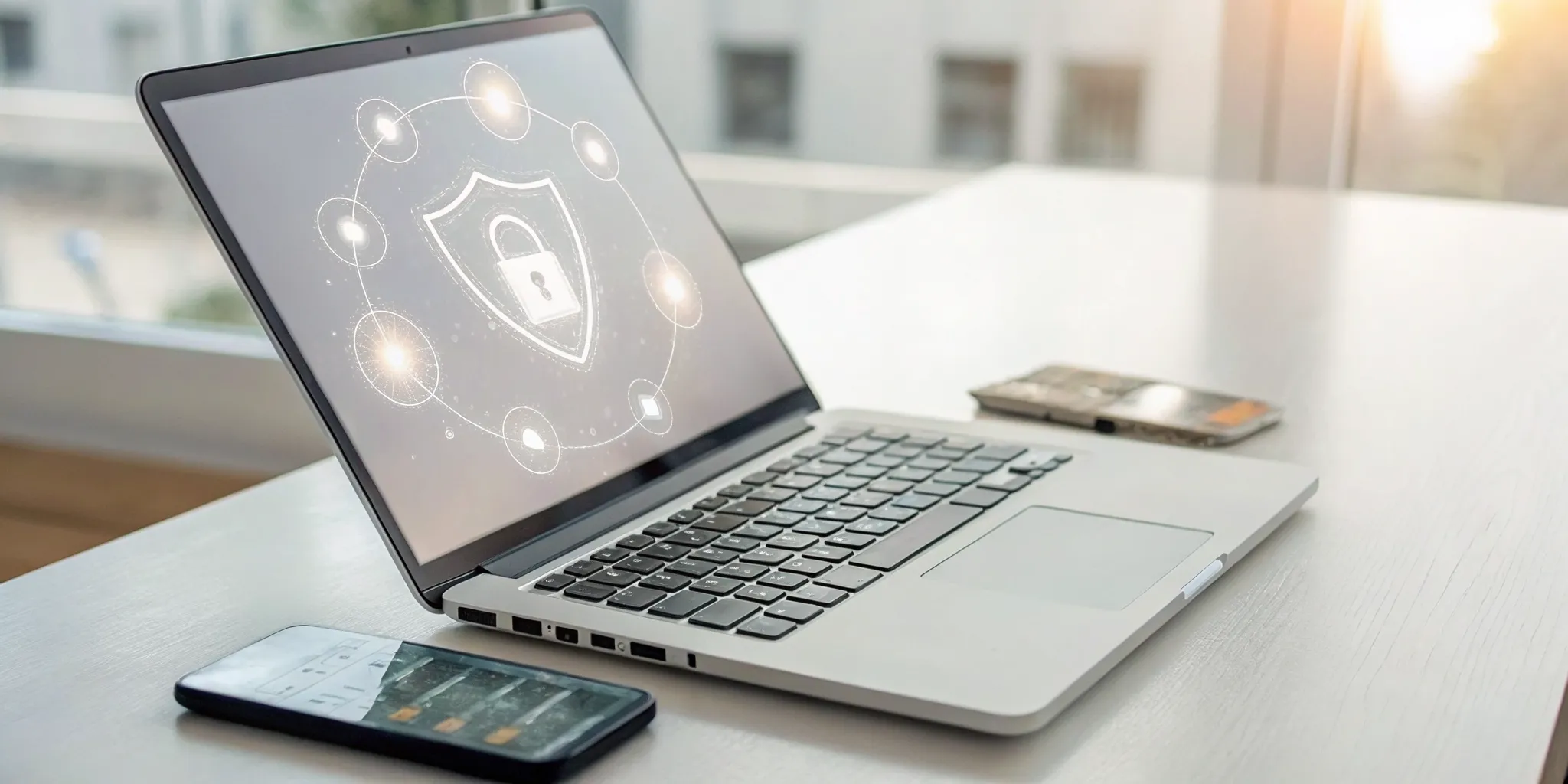
Ever notice the little padlock icon next to a website’s URL? That’s your sign that the site is using SSL and HTTPS. An SSL (Secure Sockets Layer) certificate is a digital file that encrypts the data traveling between a customer’s browser and your server. This process turns sensitive information, like credit card numbers, into a scrambled code that’s unreadable to anyone trying to intercept it. Using HTTPS (the “S” stands for secure) is the standard for securing online transactions. It’s a clear signal to customers that your checkout process is safe, which can make all the difference in their decision to complete a purchase.
Advanced Fraud Monitoring
In the past, fraud detection was a manual, reactive process. Today, the best payment systems use powerful technology to stop fraud before it even happens. These advanced fraud detection systems use machine learning and AI to analyze transactions in real time. They can spot suspicious patterns, like an unusual purchase amount or a transaction from a high-risk location, and flag or block them instantly. This proactive monitoring protects your revenue from fraudulent chargebacks and safeguards your customers’ accounts, giving both of you peace of mind. It’s like having a digital security guard watching over your store 24/7.
Secure Data Storage
Protecting payment information during a transaction is only half the battle; you also need to ensure it’s stored safely. Proper secure data storage is critical for preventing data breaches. This involves techniques like encryption, which converts stored data into an unreadable format, and tokenization, which replaces sensitive card details with a unique, non-sensitive token. By working with a payment processor that adheres to strict data security standards (like PCI DSS), you can significantly reduce the risk of a breach and show customers that you take their privacy seriously. This isn’t just a best practice; it’s a core part of responsible business ownership.
Zero-Liability Protection
Building trust is key, and one of the most effective ways to do that is by offering features that protect your customers directly. Zero-liability protection is a policy offered by major credit card companies and payment processors that ensures cardholders aren’t held responsible for unauthorized charges made on their account. While this protection is technically offered by the card issuer, partnering with a payment system that supports it seamlessly is a huge plus. When customers know they are protected from fraud, they feel more confident making purchases on your site. Highlighting this benefit can ease shopper anxiety and encourage them to complete their checkout.
Why Offer Multiple Secure Payment Options?
The checkout page is where a potential sale becomes a real one, and the payment options you offer can make all the difference. Providing a variety of secure payment methods is more than just a convenience; it’s a core business strategy that directly impacts your sales, customer loyalty, and overall growth. When you give customers the freedom to pay how they want, you show them you understand their needs and are committed to providing a safe, seamless experience. This simple focus on flexibility can have a huge impact on your bottom line and brand reputation.
Think of it this way: you’ve invested time and money into your product, your website, and your marketing to get a customer to the point of purchase. The last thing you want is for them to leave because of a rigid or untrustworthy payment process. By diversifying your payment options, you’re not just adding buttons to a page; you’re building a more resilient and customer-centric business. You’re removing barriers to purchase, building essential trust with your audience, and setting yourself up to serve a wider market. A flexible payment system signals that you are a professional, modern business that values customer choice, which can be a powerful differentiator. Let’s explore the key reasons why offering multiple payment options is a smart move for any business.
Reduce Cart Abandonment
We’ve all been there: you find the perfect item, add it to your cart, and head to checkout, only to discover your preferred payment method isn’t accepted. It’s a frustrating dead end that often results in a lost sale. Customers today expect to have choices when they pay online. If they can’t easily use their favorite digital wallet or credit card, they are very likely to leave your site and find a competitor who will. By offering a range of trusted options, you remove that final point of friction. This simple adjustment can significantly lower your cart abandonment rate and help convert more interested shoppers into loyal customers.
Build Customer Trust
When it comes to online transactions, security is everything. Displaying familiar, trusted payment logos like Visa, PayPal, or Apple Pay on your website instantly builds credibility. It sends a powerful message that you take your customers’ financial security seriously. A secure payment system not only protects your business from fraud and data breaches but also safeguards your reputation. Customers place their trust in businesses that protect their sensitive information, and a single security issue can break that trust for good. Offering multiple, well-vetted payment gateways demonstrates your commitment to providing a secure checkout experience, which is essential for building lasting relationships.
Reach a Broader Audience
Your customer base is diverse, and so are their payment habits. While credit cards are a staple in North America, digital wallets are the go-to in many parts of Asia. At the same time, younger shoppers are increasingly drawn to Buy Now, Pay Later (BNPL) services, while other customers prefer direct bank transfers. If you limit your payment options, you are unintentionally limiting your potential audience. By accommodating a variety of payment methods, you make your business accessible to a wider range of customers, both in your neighborhood and around the world. This inclusive approach is key to scaling your business and reaching new markets.
Gain a Competitive Edge
In a busy marketplace, a smooth and flexible checkout process can be what sets you apart. If your competitors offer a clunky checkout with only one or two payment types, your ability to provide more choices gives you an immediate advantage. It shows customers that your business is modern, accommodating, and focused on their convenience. A robust payment system also allows you to adapt quickly as new technologies emerge. Being an early adopter of a popular new digital wallet or payment method can attract new customers and position your brand as a forward-thinking leader in your industry. It’s a straightforward way to make your business more appealing than the competition.
How to Choose the Right Payment Processor
Selecting a payment processor is more than just a line item in your budget; it’s about choosing a partner for your business. The right processor can help you save money, protect your data, and keep your customers happy. But with so many options out there, it’s easy to feel overwhelmed. To find the best fit, you need to look beyond the surface-level promises and evaluate a few key areas. A great partner will be transparent about their costs, integrate smoothly with the tools you already use, and have your back when issues arise. Let’s walk through the most important factors to consider so you can make a confident choice for your business.
Fees and Processing Costs
Nothing sours a partnership faster than surprise fees. When you’re comparing payment processors, demand complete transparency on all costs. Ask for a detailed breakdown of transaction rates, monthly fees, setup costs, and any penalties for chargebacks. Some processors offer different pricing models, like interchange-plus or flat-rate, so make sure you understand which one works best for your sales volume. Also, look for providers that offer programs like dual pricing or cash discounts. These models can help you offset your processing costs and significantly reduce your monthly expenses. Always read the fine print and don’t be afraid to ask direct questions about every single fee.
Integration and API Support
Your payment processor should work seamlessly with the other tools you rely on to run your business. Before you commit, verify that the system can easily connect with your existing website, e-commerce platform, or point-of-sale (POS) system. A smooth integration prevents headaches down the road, reducing manual data entry and minimizing the risk of errors. Whether you use Shopify for your online store or QuickBooks for your accounting, the right processor will make these connections simple. This ensures your sales data flows correctly, your inventory stays updated, and your financial reporting is always accurate, letting you focus on growth instead of troubleshooting tech issues.
Chargeback and Dispute Support
Chargebacks are an unfortunate reality for many businesses, but how your payment processor handles them can make a huge difference. A good partner does more than just process payments; they help protect you from fraud. Look for a provider that meets the highest security standards, like PCI DSS compliance, and offers robust tools to detect and prevent fraudulent transactions. When a dispute does occur, you want a processor that provides clear guidance and support to help you challenge illegitimate chargebacks. This proactive approach to security and support helps you keep more of your hard-earned revenue.
Customer and Technical Support
When your payment system goes down, you can’t afford to wait in a long queue for help. Reliable and accessible customer support is non-negotiable. Before signing a contract, find out what a processor’s support system looks like. Can you call and speak to a real person? Are they available during your business hours? Some providers offer dedicated account representatives who understand your business and can provide personalized assistance. This level of service is invaluable when you’re facing a technical issue or have a question about your statement. Your payment processor should feel like an extension of your team, ready to help you succeed.
Common Payment Security Threats to Watch For
Even with the best security measures, it’s smart to stay aware of the common threats targeting online businesses. Knowing what to look for is the first step in protecting your company and your customers from fraud. These threats often target human behavior, not just technology. By understanding how criminals operate, you can better defend your payment environment. Here are the most prevalent risks to keep on your radar.
Phishing and Social Engineering
Phishing is a scam where criminals send deceptive emails or messages pretending to be a legitimate company. Their goal is to trick you or your customers into handing over sensitive information like passwords or credit card numbers. These attacks rely on social engineering, a term for manipulating people into taking a specific action. For example, a scammer might send an urgent email that looks like it’s from your bank, asking you to click a link and ‘verify’ your account. The link leads to a fake website designed to steal your login credentials. You can learn to recognize and avoid phishing scams to protect your business data.
Data Breaches
A data breach is when cybercriminals break into a system and steal confidential information, like your customer’s names and payment details. For a small business, a breach can be devastating, causing financial loss and damaging the trust you’ve built with customers. The consequences are serious, with the average cost of a data breach in the US reaching into the millions. This is why partnering with a payment processor that prioritizes secure data storage and PCI compliance is so critical. It helps ensure your customers’ sensitive information is locked down, protecting both them and your business.
Card Skimming and MITM Attacks
Digital card skimming happens when criminals inject malicious code onto a website’s checkout page. This code secretly copies credit card information as customers type it in. Another threat is a Man-in-the-Middle (MITM) attack, where a fraudster intercepts data traveling between a customer’s device and your server. While many cards offer zero-liability protection for consumers, these attacks still create major headaches for you, leading to chargebacks and a damaged reputation. Using a payment system with end-to-end encryption is one of the best ways to prevent these kinds of attacks and keep data unreadable if intercepted.
How to Help Your Customers Pay Safely
Building a secure payment system is half the battle; the other half is helping your customers feel confident using it. When you empower your customers with knowledge, you build trust that lasts long after the transaction is complete. It shows you care about their security, which reflects well on your business and encourages repeat purchases. Think of it as an extension of your customer service. By proactively sharing security tips, you can reduce payment friction and help everyone feel more secure. Here are a few simple, effective ways you can guide your customers to pay safely, both on your site and across the web.
Show Them How to Spot a Secure Page
You can easily teach your customers the two most important signs of a secure checkout page. In your FAQ section or on the checkout page itself, tell them to look for a small padlock icon in their browser’s address bar and to double-check that the URL starts with “https:”. That extra “s” is a small but mighty letter that stands for “secure.” It’s a clear indicator that the page is using an SSL certificate to encrypt their data. This means their personal and financial information is scrambled during transmission, making it unreadable to anyone trying to intercept it. This simple check is one of the most effective ways to ensure financial information is protected.
Share Safe Shopping Tips
Go the extra mile by sharing general safe shopping tips on your blog, in newsletters, or on social media. This positions you as a helpful resource and shows you care about their security everywhere, not just on your site. Encourage your customers to use secure payment methods, such as credit cards, which typically offer stronger fraud protection and liability limits than other options. For customers who shop on the go, you can also suggest using a VPN (Virtual Private Network) to keep their connection private, especially when connected to public Wi-Fi at a coffee shop, airport, or hotel. These small tips can make a big difference in their overall online safety.
Encourage Strong Passwords and Account Monitoring
If your website allows customers to create accounts, you have a great opportunity to promote good security habits. During account setup, require strong passwords that include a mix of letters, numbers, and symbols. You can also send gentle reminders in confirmation emails or newsletters about the importance of using unique passwords for different sites. Encourage them to regularly monitor their bank and credit card statements for any unusual activity. It’s also a great time to remind them that many debit and credit cards offer “zero liability” protection, which means they won’t be held responsible for fraudulent charges. This reassurance can help ease any anxiety about shopping online.
How to Build Customer Trust in Your Payment System
Having a secure payment system is one thing, but making sure your customers feel secure is just as important. When a shopper hesitates at checkout, it’s often because something feels off. Building that trust is key to turning a visitor into a loyal customer. The good news is that you can build confidence with a few straightforward, transparent practices. Let’s walk through how to show your customers their information is safe with you.
Display Trust Badges and Security Info
Think of trust badges as visual shortcuts to security. When customers see familiar logos like Visa, Mastercard, or a padlock icon, it instantly tells them your checkout is legitimate and protected. Displaying these symbols prominently on your payment pages can directly increase conversion rates because they reassure shoppers when they might feel anxious about sharing financial details. Don’t hide them in the footer; place security seals and accepted payment logos near the ‘Buy Now’ button where customers are looking for that final piece of reassurance. It’s a simple addition that makes a big difference.
Maintain a Clear Privacy Policy
Your customers want to know what you’re doing with their personal information. A clear, easy-to-understand privacy policy is your promise to handle their data responsibly. Avoid burying it in legal jargon; write it in plain language that explains how you collect, use, and protect their information. Having a transparent privacy policy is essential for building trust. Make it easy to find by linking to it from your checkout page and website footer. This transparency shows you respect your customers’ privacy and have nothing to hide, making them feel comfortable doing business with you.
Follow Mobile Payment Best Practices
More people are shopping on their phones, and a clunky mobile checkout can feel unprofessional and insecure. To build trust with mobile shoppers, your payment process needs to be seamless. This means using a responsive design that looks great on any screen and simplifying your forms to ask for only essential information. Offering one-click payment options like Apple Pay or Google Pay can also make a huge impact. A smooth and user-friendly mobile payment experience not only reduces friction but also signals that you’re a modern, trustworthy business that values their time and security.
What’s Next for Secure Online Payments?
The world of online payments is always moving forward, and staying informed helps you keep your business and your customers safe. As technology evolves, so do the tools we use to process transactions securely. Looking ahead, a few key trends are shaping the future of payments. These are practical shifts that can protect your revenue and build customer confidence. For business owners, understanding these changes is key to choosing the right payment solutions and staying competitive.
Smarter Fraud Detection with AI
Artificial intelligence is getting really good at spotting trouble before it starts. Modern fraud detection systems use AI to learn your typical transaction patterns. These smart tools constantly watch for unusual activity and can stop suspicious transactions before they cause problems. Think of it as a security guard that never sleeps and gets smarter with every transaction. For you, this means fewer fraudulent charges, a reduction in costly chargebacks, and more peace of mind knowing your sales are legitimate. It’s a powerful way to protect your bottom line without extra work.
The Rise of Digital Wallets
If you’ve ever used Apple Pay or PayPal, you know how easy digital wallets are. Customers love them because they can store their payment details for quick, secure checkouts without typing card numbers. This convenience is a big reason their use is growing so fast. For your business, offering digital wallets can mean a smoother checkout process and fewer abandoned carts. They are also incredibly secure, using tokenization to protect sensitive card data. As more shoppers adopt these online payment methods, making them available on your site is becoming less of a perk and more of an expectation.
Stronger Mobile Payment Security
With more people shopping on their phones, mobile payment security has become a top priority. Apps like Venmo and Cash App have made sending money simple, and the technology behind them is built for safety. Many mobile devices now include biometric security, like fingerprint or facial recognition, which adds a strong layer of protection. For your business, this is great news. It means you can offer customers a fast and secure way to pay from the device they use most. Preventing security problems is essential, as they can stop a business from operating and take away resources needed for growth. Embracing secure mobile payments helps protect your operations.
Related Articles
- The Ultimate Guide to E-commerce Payment Integration
- How Secure Payment Processing Enhances Business Protection
- How to Set Up Online Payments for a Small Business
Frequently Asked Questions
Which payment methods are essential for a new online store? At a minimum, you should accept major credit and debit cards, as they are the most widely used payment method. Beyond that, offering a popular digital wallet like PayPal or Apple Pay is a smart move. These options provide a fast, secure checkout experience, especially for mobile shoppers, which can help reduce abandoned carts right from the start.
Is it risky for my business to offer Buy Now, Pay Later options? Not at all. From a merchant’s perspective, Buy Now, Pay Later is very low-risk. When a customer chooses this option, the BNPL provider (like Klarna or Afterpay) pays you the full purchase amount upfront. They handle the customer’s installment plan and assume all the risk of fraud or non-payment. You get your money right away, and your customer gets the payment flexibility they want.
What’s the most important thing to look for when choosing a payment processor? While low fees are attractive, the most important factor is security and support. Look for a processor that is fully PCI compliant and offers advanced, real-time fraud detection. This protects both your business and your customers. Also, make sure they provide excellent, accessible customer support. When a payment issue arises, you need a real person you can talk to who can help you solve it quickly.
How can I make my customers feel safe checking out on my site? Trust is built on clear signals. The easiest way to make customers feel secure is by displaying trust badges, like the logos for Visa, Mastercard, and any digital wallets you accept, right on your checkout page. Also, ensure your site has an SSL certificate, which puts the little padlock icon and “https:” in the address bar. Finally, have a clear, easy-to-find privacy policy that explains how you protect their data.
Besides choosing a good processor, what is my role in keeping payments secure? Your role is to create a secure and trustworthy environment. This involves educating yourself and your team on how to spot phishing scams to prevent internal security issues. It also means being transparent with your customers. You can help them pay safely by sharing tips on creating strong passwords or by pointing out the security features on your checkout page. Your proactive involvement shows customers you take their security seriously.