Let’s talk about one of the most confusing parts of running a company: credit card processing fees. You work hard for every sale, but when you get your monthly statement, it feels like you’re trying to decipher a secret code of hidden charges and vague percentages. It doesn’t have to be that way. Understanding how business payment processing actually works is the first step toward taking control of your costs. This guide will break down everything you need to know, from how fees are calculated to what to look for in a provider, so you can find a partner who is transparent and fair.
Key Takeaways
- Decode Your Processing Fees: Don’t settle for confusing statements. Prioritize transparent pricing models like Interchange-Plus to see the true cost of each transaction and avoid overpaying on bundled flat-rate or tiered plans.
- Choose a Partner, Not Just a Processor: The cheapest rate means little without reliability. Vet potential partners on non-negotiables like PCI compliance, seamless integration with your existing tools, and accessible customer support from real people.
- Prioritize a Seamless Checkout Experience: Make it easy for customers to pay you by offering a variety of options, from tap-to-pay and mobile wallets to online payments. A flexible and secure checkout process reduces friction and helps you close more sales.
What Is Payment Processing?
Think of payment processing as the behind-the-scenes system that makes modern commerce possible. Every time a customer pays you with a credit card, debit card, or digital wallet, a complex series of events kicks off to move money from their account to yours. In simple terms, payment processing is the secure management of that transaction, from the moment a card is swiped, tapped, or entered online until the funds safely land in your business bank account.
This entire process involves several key players: your business (the merchant), the customer, the customer’s bank (the issuing bank), your bank (the acquiring bank), and the payment processor that acts as the essential link between them all. Your processor is the technology partner that facilitates the communication, authorization, and settlement of every card payment you accept. They provide the hardware, software, and security needed to ensure every transaction is handled smoothly and safely, allowing you to focus on what you do best—running your business.
How It Works: From Swipe to Deposit
It might seem like magic, but the journey from a customer’s card to your bank account follows a clear path. First, your customer presents their card at your point-of-sale (POS) terminal or enters their details on your website. That information is instantly encrypted and sent to your payment processor. The processor then routes the transaction through the appropriate card network, like Visa or Mastercard, to the customer’s bank.
The customer’s bank checks for sufficient funds and fraud indicators before sending an approval or decline message back along the same path. This entire authorization process happens in just a few seconds. Once approved, the funds are earmarked for transfer. At the end of the day, all your approved transactions are batched together and settled, and the money is transferred to your business account, typically within one to three business days.
Why Choosing the Right Processor Matters
Picking a payment processor isn’t just about being able to accept credit cards—it’s a major business decision that directly impacts your bottom line, security, and customer experience. The right partner can save you thousands in fees, protect you from fraud, and make the checkout process seamless for your customers. A poor choice, on the other hand, can lead to confusing statements, hidden costs, and security vulnerabilities.
Key factors like transparent pricing, robust fraud protection tools, and PCI compliance are non-negotiable. You also want a processor that offers a variety of payment options to meet customer expectations and help reduce cart abandonment. Ultimately, your processor should be a partner invested in your success, not just a utility that takes a cut of every sale.
What Are Your Payment Options?
Giving your customers flexible ways to pay is no longer a nice-to-have—it’s a core part of running a successful business. When checkout is easy, customers are happier and you’re more likely to make the sale. The right payment processor allows you to accept a wide range of payment types, meeting your customers wherever they are, whether they’re shopping in your store, on your website, or from their phone.
Understanding the different payment methods helps you build a checkout experience that feels seamless and secure. From the traditional card swipe to a simple tap of a phone, each option serves a different need. Let’s walk through the most common payment types you’ll want to consider for your business. This will help you decide what’s essential for your operations and what your customers will appreciate most.
Traditional Credit & Debit Cards
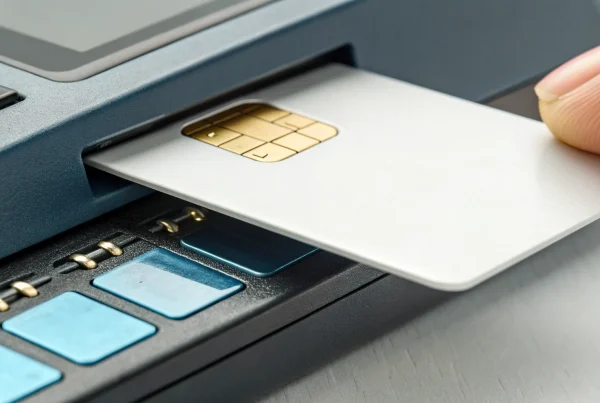
Credit and debit cards are the bedrock of modern commerce. For most businesses, accepting card payments is absolutely essential. Customers expect to be able to swipe, dip (insert the chip), or key in their card numbers whether they are in-store or shopping online. This is the most familiar payment method for the majority of consumers, making it a fundamental part of any payment setup.
Ensuring you can process all major card brands—like Visa, Mastercard, American Express, and Discover—covers your bases and prevents you from ever having to turn a customer away. While newer methods are gaining ground, the reliability and widespread use of card payments make them the central pillar of any payment processing strategy.
Mobile & Contactless Payments
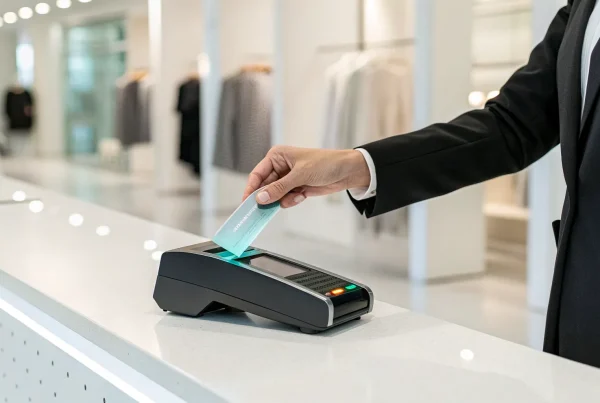
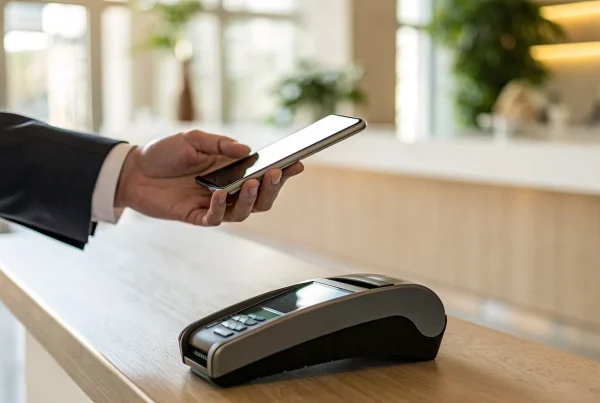
Want to speed up your checkout line and offer a super convenient option? Look no further than mobile and contactless payments. This includes “tap-to-pay” with contactless cards and mobile wallets like Apple Pay, Google Pay, and Samsung Pay. Customers love the speed and security of simply holding their card or phone near a terminal to complete a transaction.
This technology is also perfect for businesses on the move. With a simple mobile card reader, you can accept payments anywhere—at a farmers’ market, a client’s home, or a trade show. Offering these modern, touch-free options shows your business is current and prioritizes customer convenience, which can make a big difference in their overall experience.
Digital Wallets & E-commerce
For any business selling online, integrating digital wallets is a game-changer. Digital wallets securely store a customer’s payment information, allowing them to make purchases with just a click or two—no need to manually enter card numbers and shipping addresses. This streamlined process is a powerful tool for any e-commerce store.
By making the checkout process faster and simpler, you can significantly reduce cart abandonment. When a customer can move from browsing to buying in a few seconds, they are far more likely to complete their purchase. Offering popular digital wallets like PayPal, Apple Pay, or Shop Pay builds trust and provides the frictionless experience online shoppers have come to expect.
ACH & Electronic Checks
While cards get most of the attention, don’t overlook the power of direct bank transfers. ACH (Automated Clearing House) payments, also known as eChecks, allow customers to pay you directly from their bank account. The biggest advantage here is the cost—ACH transactions typically have much lower processing fees than credit cards.
This makes them an incredibly affordable option for certain types of businesses. If you handle recurring billing for subscriptions or memberships, or if you process large B2B invoices, ACH payments can save you a substantial amount of money over time. They are a secure and efficient way to manage predictable, high-value payments without cutting into your profit margins.
How Do Processing Fees Actually Work?
Let’s be honest: payment processing fees can feel like a puzzle. You see a percentage here, a flat fee there, and it’s not always clear what you’re actually paying for. The good news is that once you understand the basic structures, it all becomes much clearer.
Most processors use one of three main pricing models to calculate your fees. The model your processor uses has a huge impact on how much you pay each month and how predictable your costs will be. Let’s pull back the curtain on how each one works so you can spot the difference between a fair deal and a costly headache.
Interchange-Plus: The Transparent Model
Think of Interchange-Plus pricing as the wholesale model of payment processing. It’s made of two parts: the “interchange” and the “plus.” The interchange is the non-negotiable, wholesale fee charged by the card brands (like Visa or Mastercard). The “plus” is a small, fixed markup that your processor adds for their service.
With this model, processors charge a consistent markup but pass the varying interchange fees directly to you. This means you pay the true cost of each transaction plus a transparent fee. It’s widely considered the most honest pricing structure because you can see exactly what you’re paying the card networks and what your processor is making.
Flat-Rate: Simple but Potentially Costly
Flat-rate pricing is exactly what it sounds like: you pay one consistent rate for every transaction, like 2.7% plus 15 cents. This model is popular because it’s incredibly simple to understand. You always know what percentage will be taken from each sale, which makes bookkeeping feel straightforward.
However, that simplicity can come at a cost. Flat-rate processors bundle the interchange fees, assessment fees, and their markup into a single rate. This means you’re paying the same high rate for a low-cost debit card transaction as you are for a premium rewards credit card. Over time, you could end up overpaying without even realizing it.
Tiered: The Complicated Model
Tiered pricing is the most complex and often the most confusing model. Processors group transactions into different tiers—usually called “qualified,” “mid-qualified,” and “non-qualified”—and assign a different rate to each one. Your lowest advertised rate will only apply to the “qualified” tier, which typically includes standard debit and credit cards.
The problem is, the processor decides which transactions fall into which tier, and the rules can be murky. A rewards card, a corporate card, or a card-not-present transaction will almost always be downgraded to a more expensive tier. This can make your monthly processing costs unpredictable and much higher than you were originally quoted.
Watch Out for These Hidden Fees
Beyond the main processing rate, some companies add extra charges that can quickly inflate your bill. These are the “gotchas” hiding in the fine print of your contract. When you’re comparing providers, you need to be your own best advocate and ask about these costs directly.
Be sure to ask any potential processor about statement fees, monthly minimums, PCI compliance fees, or terminal lease fees. A transparent partner will be upfront about all costs involved. The best processors minimize or eliminate these junk fees entirely, so don’t be afraid to push back or find a provider who values clarity as much as you do.
7 Things to Look for in a Payment Processor
Choosing a payment processor feels like a huge commitment, and it is. This is the company that handles your hard-earned money, so it’s a partnership you want to get right from the start. Beyond just the rates, you need a processor that acts as a true partner—one that’s secure, supportive, and ready to grow with you. As you compare your options, think of it like a job interview. You’re the one in charge, and you need to make sure they’re the right fit for your business. Here are seven key areas to focus on to ensure you find a processor that checks all the right boxes.
Rock-Solid Security and Compliance
First things first: security is non-negotiable. You’re not just protecting your money; you’re protecting your customers’ sensitive financial data. A single data breach can destroy the trust you’ve worked so hard to build. Your processor must be PCI compliant, which is the industry standard for protecting card data. Look for key security features like end-to-end encryption, which scrambles data as it travels from your terminal to the payment network, and tokenization, which replaces sensitive card details with a unique, non-sensitive token. These technologies are your first line of defense against fraud and will help you and your customers feel confident in every transaction.
Seamless System Integrations
Your payment processor shouldn’t operate on an island. It needs to play well with the other tools you rely on to run your business every day. Think about your current setup. Does the processor’s hardware and software integrate smoothly with your point-of-sale (POS) system? What about your accounting software, like QuickBooks, or your e-commerce platform? A processor with strong integration capabilities saves you countless hours of manual data entry, reduces the risk of human error, and gives you a much clearer picture of your business performance. Before you sign anything, make a list of your essential tools and confirm the processor can connect with all of them.
Real Support from Real People
Imagine it’s your busiest day of the year, and your credit card terminal suddenly stops working. The last thing you want is to be stuck navigating an automated phone menu or waiting 24 hours for an email response. This is when you’ll be grateful for a processor that offers real, accessible customer support. Look for a provider that gives you a direct line to a knowledgeable human who can troubleshoot problems quickly. Great support isn’t just about fixing what’s broken; it’s about having a partner you can call for help understanding your statement or adding a new feature.
Fast, Reliable Deposits
Cash flow is the lifeblood of any small business, and you can’t afford to have your money tied up in processing delays. When you’re vetting a processor, one of the most important questions to ask is, “How quickly will I get my money?” The time it takes for a transaction to go from a customer’s swipe to a deposit in your bank account is called a settlement. Many processors offer next-day funding, which is ideal for managing your day-to-day expenses. Pay attention to their cutoff times for batching, and look for a provider with a reputation for consistency. Unpredictable settlement delays can put a serious strain on your operations.
A Clear, Transparent Pricing Structure
Payment processing statements can feel like they’re written in another language, but they don’t have to be. A trustworthy processor will offer a clear, transparent pricing model and take the time to explain exactly what you’re paying for. Be wary of providers who are vague about their fees or push complicated tiered pricing models that make it hard to track your true costs. The best partners provide easy-to-read monthly statements that break down your sales, fees, and deposits. Don’t be afraid to ask for a side-by-side comparison with your current provider or a detailed breakdown of every potential fee. You deserve to know where every penny is going.
Room to Grow with Your Business
The business you’re running today might look very different a few years from now. Maybe you’ll want to expand to a second location, launch an online store, or start accepting payments on the go at local markets. Your payment processor should be able to support your ambitions, not hold you back. Choose a provider that offers a wide range of solutions that can adapt to your needs as you grow. A scalable partner can help you seamlessly add e-commerce functionality, upgrade your POS system, or implement mobile payment options without the headache of having to switch providers and start your search all over again.
Comparing Top Payment Processors
Choosing a payment processor can feel overwhelming with so many names in the game. The truth is, the “best” option really depends on your business model, sales volume, and what you value most—be it simplicity, customization, or cost savings. Let’s break down some of the top players so you can see how they stack up and find the right fit for you.
MBNCard
MBNCard is built for small and mid-sized business owners who want a true partner in their payment processing. Instead of a one-size-fits-all approach, we focus on creating tailored solutions that actually save you money. Our transparent pricing models, like dual pricing and cash discount programs, are designed to help you cut down on processing fees. We believe you should have a direct line to real people when you need help, not a ticket number. If you’re looking for clear statements, fast deposits, and a team that’s invested in your success, MBNCard is a great fit.
Square
You’ve probably seen Square’s little white card readers everywhere, and for good reason. As NerdWallet points out, it’s known for its “simplicity and ease of use, especially for new or small businesses.” Square is a solid choice because it’s incredibly easy to set up, has no monthly fees for its basic plan, and includes a free point-of-sale (POS) app to get you started. Its flat-rate fee of 2.6% + $0.15 per swipe is straightforward, but as your sales grow, that simplicity could end up costing you more than a custom interchange-plus plan. It’s perfect for startups, pop-up shops, and service providers who need to get up and running quickly.
PayPal
PayPal is one of the most recognized names in online payments, making it a very popular platform. Its biggest strength is trust. When customers see the PayPal button on your website, they know their information is secure, which can help reduce cart abandonment. According to NerdWallet, it’s “easy to use and connect with websites” and offers clear, fixed fees. While it’s a fantastic option for e-commerce businesses and those who do a lot of invoicing, its transaction fees can be higher than other providers, especially for in-person sales.
Stripe
If your business lives primarily online, Stripe is a powerful contender. It’s designed for businesses that need custom payment solutions, offering incredible flexibility and extensive developer tools. Stripe is especially strong for e-commerce stores, subscription-based businesses, and platforms that need to accept payments from around the world. As NerdWallet notes, it’s “best for businesses that mostly sell online, especially to customers in other countries.” Its standard online fee is 2.9% + $0.30 per transaction, which is competitive for the features it offers, but it’s definitely geared more toward a tech-savvy user.
Clover
Clover is best known for its sleek, all-in-one POS systems that combine hardware and software into one package. It’s a fantastic solution for retail stores, restaurants, and service businesses that need more than just a simple card reader. With a Clover system, you can manage inventory, track sales data, run customer loyalty programs, and take all types of payments. The hardware is modern and user-friendly, and the software is robust. Clover systems are typically sold through merchant service providers, so your pricing and customer support experience will depend on the partner you choose.
Avoid These Common Payment Processing Mistakes
Choosing a payment processor can feel overwhelming, and it’s easy to make a misstep when you’re focused on a million other things. But a little bit of homework now can save you from major headaches and hidden costs down the road. Let’s walk through some of the most common mistakes business owners make so you can sidestep them entirely.
Not Understanding the True Cost
It’s frustrating to get a bill that’s way higher than you expected. Many processors advertise a low rate, but that number rarely tells the whole story. The final cost of a transaction is a combination of interchange fees, assessment fees, and the processor’s markup. When these fees are bundled into a complicated tiered plan, it can be nearly impossible to predict your monthly costs. In fact, confusing fee structures are one of the most common payment processing challenges businesses face. Always ask for a detailed breakdown of all potential fees and look for a provider who offers transparent pricing, like the interchange-plus model.
Choosing Price Over Security
A super-low processing rate might catch your eye, but if it comes at the expense of security, it’s not worth the risk. Protecting your customers’ data is non-negotiable. Your business must be PCI compliant, which means following a set of security standards to prevent credit card fraud. A good payment processor will help you achieve and maintain compliance, offering tools like encryption and tokenization. Skimping on security can lead to devastating data breaches, hefty fines, and a loss of customer trust that’s hard to win back. A reliable provider will prioritize security and be upfront about how they protect your business.
Forgetting About Integration
Your payment processor should make your life easier, not harder. Before you sign a contract, think about how the new system will work with the tools you already use. Many business owners struggle with integrating payment systems into their existing accounting software, inventory management, or point-of-sale (POS) systems. A lack of integration means you’ll spend more time manually entering data, which can lead to errors and wasted hours. Look for a processor that offers seamless integrations with your essential business software to keep your operations running smoothly and efficiently.
Falling for Common Fee Gimmicks
If a deal sounds too good to be true, it probably is. One of the most common myths is that you can get “free” credit card processing. The truth is, processing is never free—someone always pays the fees. Often, these programs simply pass the processing costs on to your customers through a surcharge. While programs like cash discounting are legitimate ways to offset fees, be wary of any provider promising something for nothing. Always read the fine print to check for long-term contracts, hidden monthly fees, or expensive equipment lease agreements that lock you into a bad deal.
Related Articles
- How to Open a Merchant Account Online: A 5-Step Guide
- 6 Best Small Business Credit Card Machines
- 5 Best Portable Credit Card Machines for Small Business
- Instant Payout Payment Gateway: A Complete Guide
Frequently Asked Questions
Which pricing model is actually the best for my business? There isn’t a single “best” model for everyone, but Interchange-Plus is often the most transparent and cost-effective choice as your business grows. It separates the wholesale cost from the processor’s markup, so you can see exactly what you’re paying for. Flat-rate pricing is simple and predictable, which is great when you’re just starting out, but you might overpay on low-cost transactions. Tiered pricing can be confusing and often leads to surprise costs, so it’s usually best to approach that model with caution.
What exactly is PCI compliance and do I really need to worry about it? Think of PCI compliance as the essential security standard for any business that accepts credit cards. It’s a set of rules designed to keep your customers’ card information safe from fraud and data breaches. You absolutely need to care about it, but a good processor will make it easy for you. They should provide the secure technology and guidance needed to ensure your business meets these standards, protecting you from hefty fines and, more importantly, protecting your customers’ trust.
Am I going to be locked into a long-term contract if I sign up? That depends entirely on the processor you choose. Some providers do require long-term contracts that come with expensive early termination fees, making it difficult to switch if you’re unhappy. However, many modern and transparent processors, including us, believe in earning your business every month. Always ask about the contract terms upfront and look for a partner who offers a month-to-month agreement so you have the flexibility you deserve.
How does a cash discount program actually work to save me money? A cash discount program is a straightforward way to offset your processing fees. The program works by offering your customers a small discount as an incentive to pay with cash instead of a card. Your listed prices reflect the card price, and customers who choose to pay with cash receive a discount at the register. This is a fully compliant way to cover your processing costs without adding a separate surcharge, which can significantly reduce or even eliminate your monthly processing bill.
What information do I need to have ready to get an accurate quote? To get a truly accurate and helpful quote, a processor will need a little more than just your business name. The most important document is a recent monthly statement from your current processor, if you have one. This shows your sales volume, your average transaction size, and the types of cards you typically accept. If you’re a new business, having an estimate of your projected monthly sales and average ticket price will help a provider build a quote that truly fits your needs.