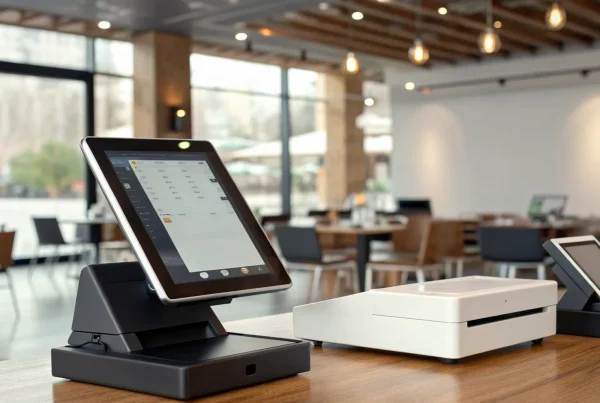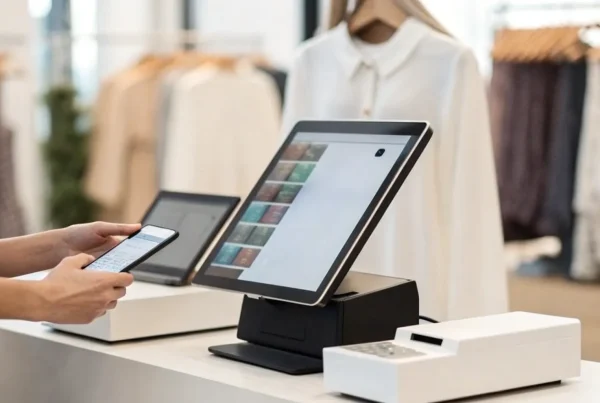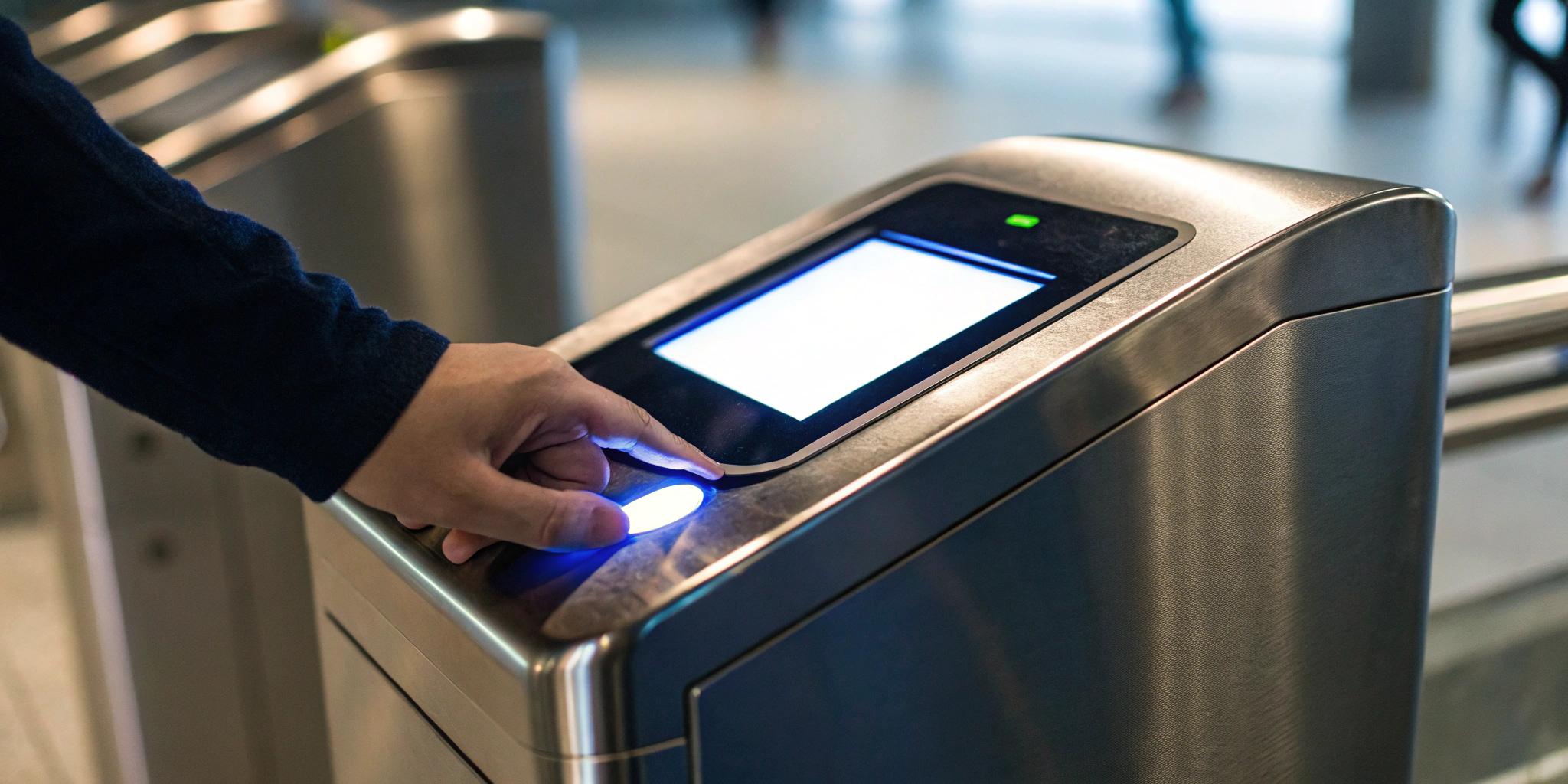
The “tap-to-pay” movement is officially mainstream. Customers now expect to pay for their coffee, groceries, and services by simply holding their card or phone near a reader. The device that makes this seamless experience possible is a contactless POS terminal, which uses Near Field Communication (NFC) to create a quick, secure handshake between the customer’s device and your system. But how does it actually work, and what separates a great terminal from a basic one? This guide breaks down the essentials, from the security features that protect every transaction to the key brands you should consider. We’ll help you understand exactly what to look for when choosing a contactless payment capable point of sale terminal for your business.
Key Takeaways
- Look Past the Tap for True Security: The speed of contactless payments is a great perk, but the real benefit is the advanced security. Each transaction is protected by tokenization, which uses a one-time code to keep your customers’ actual card details safe and secure.
- Select Hardware That Works for Everyone: A great terminal should make payments easy for both your customers and your team. Look for one that accepts all payment types—including cards, phones, and watches—and has a simple, intuitive interface to keep your checkout lines moving smoothly.
- Find a Partner, Not Just a Product: The right terminal is only half the equation. The best value comes from working with a payment solutions provider who helps you choose the right hardware, ensures it works with your existing setup, and provides ongoing support to keep your business running without a hitch.
What Is a Contactless POS Terminal?
You’ve seen it in action: a customer pays for their coffee by simply tapping their card or phone on the payment terminal. That’s a contactless payment, and the device that makes it happen is a contactless POS terminal. In short, it’s a point-of-sale device that lets customers pay quickly and securely without needing to swipe a magnetic stripe or insert a chip card.
This technology uses Near Field Communication (NFC) to create a fast, secure connection between the customer’s card or mobile wallet (like Apple Pay or Google Pay) and your terminal. It’s designed to speed up the checkout process, which is a win for both you and your customers. If you’re looking to shorten lines, improve security, and offer the kind of modern convenience people now expect, a contactless terminal is a fantastic tool for your business.
How “Tap-to-Pay” Technology Works
The magic behind “tap-to-pay” is a technology called Near Field Communication, or NFC. Think of it as a secure, short-range wireless handshake. When a customer holds their NFC-enabled card or smartphone a couple of inches from your terminal, the two devices communicate to securely transmit encrypted payment information. The sale is completed in seconds. The process is designed to be both fast and secure, using a unique, one-time code for each transaction so the customer’s actual card number is never shared with you. It’s the same trusted technology that powers mobile wallets.
Why Your Business (and Customers) Will Love It
The biggest win with contactless payments is speed. A tap-to-pay transaction takes just a few seconds—much faster than processing a chip card. For a business with a lunch rush or long holiday lines, that speed means serving more customers and reducing wait times. Beyond convenience, contactless payments are incredibly secure. Each transaction is protected by multiple layers of security, including encryption and tokenization, which masks the real card number. When a customer pays with their phone, they often use biometrics like a fingerprint or facial scan, adding another layer of protection. This gives everyone peace of mind, knowing that the payment data is safe.
Busting Common Myths About Contactless Pay
One of the most persistent myths is that a thief could electronically “pickpocket” your customers’ card information. This is extremely unlikely. The NFC technology has a very short range—just a few inches—so a criminal would need to get uncomfortably close with a special reader. Another concern is that contactless is less secure than inserting a chip card. In reality, it uses the same secure technology as EMV chip cards, plus the added benefit of tokenization. Each tap creates a unique, one-time-use code, so the actual card details are never exposed. It’s a highly secure payment method.
Key Features to Look For in a Contactless Terminal
When you’re ready to add a contactless terminal to your business, it’s easy to feel overwhelmed by all the options. On the surface, they might all look the same—small, sleek devices that let customers tap to pay. But the technology powering them can vary quite a bit, and choosing the right one is a decision that will impact your daily operations, your team’s efficiency, and your customers’ happiness.
Think of it like buying any other essential piece of equipment for your business. You wouldn’t buy a delivery van without checking its mileage and engine, and you shouldn’t choose a payment terminal without looking under the hood. The best terminal for your business will do more than just accept payments; it will secure your transactions, streamline your checkout process, and work reliably when you need it most. To help you make a smart choice, let’s walk through the four key features every great contactless terminal should have.
Top-Notch Security and Encryption
Let’s start with the most important feature: security. The good news is that contactless payments are incredibly secure, often more so than traditional magstripe swipes. Each tap-to-pay transaction creates a unique, one-time code that can’t be used again. This process, called tokenization, means your customer’s actual card number is never transmitted or stored.
Look for a terminal that uses end-to-end encryption, which scrambles payment data from the moment of the tap until it reaches the payment processor. Your terminal should also be compliant with the latest Payment Card Industry Data Security Standard (PCI DSS) to protect you and your customers from fraud. This isn’t just a nice-to-have; it’s the industry-wide requirement for handling card data safely.
Compatibility With All Major Payment Types
Your customers are already using a wide variety of ways to pay, and your terminal needs to be ready for all of them. A truly versatile terminal accepts payments from any NFC-enabled source. This includes physical tap-to-pay credit and debit cards, as well as digital wallets on smartphones and smartwatches.
Make sure the device you choose is equipped to handle mobile payment services like Apple Pay, Google Pay, and Samsung Pay. The last thing you want is to turn away a sale because your hardware can’t accept a customer’s preferred payment method. The goal is to make paying as easy as possible, and that starts with having a terminal that says “yes” to every tap.
Seamless Connectivity and Integration
A payment terminal is only useful if it can connect to the internet. Look for a device with flexible connectivity options to ensure you can process payments without interruption. Wi-Fi is standard for most storefronts, but what if your internet goes down? Or what if you run a mobile business, like a food truck or a booth at a farmers market?
That’s where options like 4G LTE and Bluetooth come in handy, giving you a reliable backup or a primary connection when you’re on the go. Some terminals even offer an offline mode that securely stores transaction data and processes it once you’re back online. This feature can be a lifesaver, preventing lost sales during an outage.
An Interface Anyone Can Use
The best technology is the kind you don’t have to think about. Your payment terminal should have a simple, intuitive interface that both your team and your customers can use with ease. A complicated setup process or a confusing screen can lead to errors, slow down your lines, and create a frustrating experience for everyone.
Look for a terminal that’s designed for quick setup and minimal training. A clear touchscreen, straightforward prompts, and an ergonomic design make the payment process smooth and efficient. When your staff can confidently operate the terminal, they can focus on what really matters: providing excellent customer service.
Top Contactless Terminal Brands to Consider
Choosing the right hardware is a big decision, but you don’t have to make it alone. The best terminal for your business depends on your specific needs—from your sales volume to whether you take payments at a counter or on the move. Here’s a look at some of the top brands in the game to help you get familiar with your options.
MBNCard Payment Solutions
Instead of locking you into one type of hardware, we focus on finding the perfect fit for your business. At MBNCard, we partner with you to understand your workflow, sales environment, and budget. We then recommend a terminal from a top brand that integrates seamlessly with our secure and affordable payment processing. Our goal is to provide a complete solution with transparent pricing and dedicated support, ensuring your hardware and processing work together flawlessly from day one.
Square Terminal
You’ve probably seen the sleek, white Square Reader at local coffee shops and boutiques. It’s a popular choice for a reason. This small device is designed for mobility, with a long-lasting battery that lets you accept payments anywhere in your store or on the go. It easily handles chip cards, tap-to-pay, Apple Pay, and Google Pay, making it a versatile option for businesses that need flexibility without a complicated setup.
Clover Flex
The Clover Flex is more than just a payment terminal; it’s a full point-of-sale system in the palm of your hand. This all-in-one handheld device is perfect for restaurants that want to take orders and payments at the table or retailers looking to bust long lines. It has a built-in receipt printer and barcode scanner, combining the power of a traditional POS with the convenience of a portable device, helping you manage your business from anywhere.
Ingenico Move/5000
When security is your top priority, Ingenico is a brand that stands out. The Ingenico Move/5000 is a robust, portable terminal known for its excellent security features, giving you and your customers peace of mind with every transaction. It’s designed to handle a high volume of payments while offering the flexibility to operate on Wi-Fi, Bluetooth, or a 4G network, ensuring you’re always connected and ready to make a sale.
Verifone V400m
Verifone has been a trusted name in payments for decades, and the V400m is a testament to its reputation for reliability. This compact, portable terminal is a durable workhorse built to withstand the demands of a busy business environment. It offers a user-friendly touchscreen, long battery life, and multiple connectivity options. For merchants who need a dependable device that simply gets the job done right every time, the Verifone V400m is a solid choice.
Contactless vs. Traditional: What’s the Difference?
At first glance, it might seem like all payment methods do the same thing: move money from your customer’s account to yours. While that’s true, the how makes a huge difference for your daily operations and your customer’s experience. Traditional methods like swiping a magnetic stripe or even inserting a chip card have been the standard for years, but contactless payments offer a distinctly modern upgrade. Let’s break down the key advantages that set tap-to-pay technology apart and why it’s quickly becoming the preferred way to check out for businesses and shoppers alike.
Faster Transactions, Shorter Lines
We’ve all been there—stuck in a long line, waiting as each person fumbles for their card and slowly inserts it into the reader. Those seconds add up, especially during your busiest hours. This is where contactless payments really shine. A simple tap takes just a few seconds to process, making it significantly faster than both chip and swipe transactions. For your business, this speed translates directly into shorter lines, a smoother checkout flow, and the ability to serve more customers. It’s a simple change that can have a big impact on your daily revenue and overall store efficiency, keeping the momentum going when you need it most.
A Smarter, More Secure Way to Pay
It’s natural to wonder if a quick tap is as secure as inserting a chip. The answer is yes—in fact, it’s even more secure. Contactless payments use advanced encryption and a technology called tokenization to protect customer data. Each time someone taps their card or phone, the terminal receives a unique, one-time code (a token) instead of the actual card number. This means that even in the unlikely event that a transaction’s data is intercepted, the sensitive card details remain completely hidden. This powerful security feature gives both you and your customers peace of mind, safeguarding every sale and building trust in your business.
Keeping Your Customers Happy
A smooth and easy checkout process is the perfect way to end a great shopping experience. Customers love the convenience of simply tapping to pay—it’s quick, clean, and feels modern. Offering this option shows that you’re in tune with their expectations and value their time. This small touch can make a big difference in how people feel about your brand, encouraging them to come back again. When you make paying effortless, you remove one final point of friction, leaving customers with a positive lasting impression that fosters loyalty and can lead to higher sales over time.
Making the Switch: What to Expect
Deciding to upgrade your payment terminals is a great step, but it’s natural to wonder what the transition will actually look like. You’re likely thinking about the cost, the technical setup, and how your team and customers will adapt. The good news is that moving to contactless payments is a much smoother process than you might imagine, especially when you have a clear plan.
The key is to break it down into manageable steps. First, you’ll want to get a clear picture of the investment required. This isn’t just about the price of the hardware; it’s about understanding the long-term value it brings through faster checkouts and happier customers. Next, you’ll need to ensure the new technology plays well with the systems you already have in place. Finally, you’ll prepare your staff and your customers for the new, simpler way to pay. Thinking through these three areas will help you make the switch with confidence and minimal disruption to your daily operations.
Understanding the Costs
Let’s talk about the number one question on every business owner’s mind: what’s this going to cost? It’s true that upgrading to new hardware is an investment. The price of a contactless terminal can vary depending on the model and its features. However, many business owners are surprised to find that the cost of new technology is more manageable than they expected.
Instead of a large upfront purchase, many payment processors offer flexible options like leasing programs or bundled packages that include the terminal with your processing services. This approach allows you to get the latest technology without a major capital expense. When you talk to a payment solutions provider, be sure to ask about all the available options to find one that fits your budget.
Ensuring It Works With Your Current Setup
“Will this new terminal even work with my point-of-sale system?” This is a common and completely valid concern. The last thing you want is a technical headache that disrupts your business. Fortunately, most modern contactless terminals are designed for broad compatibility and seamless POS system integration. They are built to be plug-and-play, minimizing downtime and complicated installations.
Before you commit to a new terminal, have a conversation with your payment processor. They can confirm whether the hardware is compatible with your existing software and checkout configuration. A good partner will walk you through the setup process to ensure everything communicates correctly from day one, preventing any frustrating surprises for you, your team, or your customers.
Getting Your Team and Customers On Board
New technology is only effective if people know how to use it. Preparing your team and customers for the switch is a simple but crucial step. For your staff, a quick training session is usually all it takes. Show them how the new terminal works, how to process a tap-to-pay transaction, and how to guide customers through it. This ensures they feel confident and can keep the checkout line moving smoothly.
For your customers, a little communication goes a long way. You can educate shoppers by placing a small sign at the register that says, “We now accept tap-to-pay!” or “Tap your card or phone here.” This simple cue lets them know about the new, faster option and encourages them to try it.
Is a Contactless Terminal Right for Your Business?
Contactless payments have become a staple in the modern economy, but their benefits aren’t one-size-fits-all. The right terminal can solve unique challenges depending on your industry, from speeding up lines at a busy boutique to simplifying payments at a patient’s bedside. If you’re wondering whether making the switch is worth it, let’s look at how different types of businesses are using tap-to-pay technology to improve their operations and keep customers happy. Understanding these specific use cases will help you see exactly where a contactless terminal fits into your own business plan.
Retail and Brick-and-Mortar Stores
For retail shops, the checkout line is the final impression you leave on a customer. Long waits can sour an otherwise great shopping experience. Contactless terminals are all about speed and convenience, allowing you to serve more customers in less time. Today, shoppers don’t just prefer to tap their card or phone—they expect it. Meeting these modern customer expectations shows that you value their time. By offering a quick, seamless payment option, you reduce friction at checkout, prevent abandoned sales, and encourage repeat business. It’s a simple upgrade that makes a big difference in a fast-paced retail environment.
Restaurants and Food Service
In the food service industry, efficiency is everything. Contactless terminals, especially portable ones, allow your staff to take payments right at the table. This simple change can dramatically speed up your table turnover, letting you serve more guests during a busy shift. It also adds a layer of security and convenience that diners appreciate, as their card never leaves their sight. These devices often come with smart tipping features that make it easy for customers to show their appreciation. By bringing the payment process to your guests, you create a smoother, more secure, and more professional dining experience that keeps them coming back.
Healthcare and Professional Services
From dental offices to consulting firms, creating a smooth and professional client experience is key. Contactless payments offer a clean, quick, and secure way to handle transactions in settings where trust and privacy are paramount. Patients and clients can simply tap their card or device without handing it over, which many prefer. The technology behind these payments is highly secure, using encryption and tokenization to protect sensitive account information. This modern approach not only streamlines your billing process but also reinforces your commitment to client security and convenience, making every interaction feel polished and professional.
Mobile and Seasonal Businesses
If your business is always on the move—whether you run a food truck, sell at farmers’ markets, or operate a seasonal pop-up—you need a payment solution that can keep up. Compact, portable contactless readers are perfect for accepting payments anywhere. Even better, many modern smartphones can now function as payment terminals themselves through solutions like Tap to Pay on iPhone. These options are often low-cost and incredibly easy to set up, allowing you to start accepting secure, professional payments in minutes without needing bulky or expensive hardware. It’s the ideal way to ensure you never miss a sale, no matter where your business takes you.
How to Get the Best Deal on a Contactless Terminal
Finding the right contactless terminal isn’t just about the sticker price. The best deal is one that fits your budget while giving you the features, reliability, and support you need to run your business smoothly. It’s about finding a long-term solution, not just a short-term fix. This means looking beyond the hardware itself and considering the partner you choose to work with.
A great payment partner will help you understand the total cost of ownership, from upfront hardware fees to ongoing processing rates. They’ll ensure your new terminal works seamlessly with your existing setup and be there to help if you run into any issues. By focusing on the overall value, you can secure a deal that saves you money and headaches for years to come.
Working Directly With a Payment Processor
Going straight to a payment processor is often the most direct path to a great deal. Instead of buying a terminal from a third-party reseller, you work with the company that will actually be handling your transactions. Processors can often bundle hardware with their merchant services, which can lead to lower upfront costs or even free equipment when you sign up for an account. This approach also simplifies your life—you have one point of contact for both your hardware and your payment processing.
When you talk to a processor, you can have a direct conversation about your specific needs. Be sure to prioritize security, payment flexibility, and how the terminal will integrate with your business tools. This ensures you get a solution that’s tailored to your operations, not a one-size-fits-all box.
Exploring Financing and Leasing Options
The upfront cost of new technology can be a significant hurdle, especially for a small business. If buying a terminal outright isn’t in the budget, leasing or financing can be a great alternative. Leasing allows you to get the latest hardware for a manageable monthly payment, preserving your cash flow for other business needs. This can be an effective way to overcome common barriers to payment adoption, like the initial expense of upgrading your equipment.
Before signing a lease, make sure you read the terms carefully. Understand the length of the contract and the total cost over the life of the lease. While buying a terminal gives you full ownership, leasing provides flexibility and keeps your technology current. A transparent partner can walk you through both options to help you decide what makes the most sense for your financial situation.
Finding a Partner for Setup and Support
The best deal on a terminal includes a partner who will be there to help you get set up and provide support when you need it. A cheap device with no backup is no deal at all. Look for a provider that simplifies the entire process, from ordering and delivering your hardware to helping you manage devices across different locations. Your payment system should save you time and effort, not create more work.
A true partner brings everything under one roof, so you don’t have to piece together solutions from different vendors. Whether you need help integrating the terminal with your POS system or training your staff, having a dedicated support team is invaluable. This partnership ensures you can focus on what you do best: running your business.
Related Articles
- The 5 Best Contactless Payment Terminals
- Affordable POS Equipment | MBN Card Services
- 5 Best Credit Card Terminals for Small Business
- Wireless Credit Card Terminal: A Buyer’s Guide
Frequently Asked Questions
Is tap-to-pay really as secure as inserting a chip card? Yes, and in many ways, it’s even more secure. Contactless payments use the same powerful EMV chip technology to protect each transaction. The added benefit is a process called tokenization, which creates a unique, one-time code for the sale. This means your customer’s actual card number is never transmitted or stored on your system, adding an extra layer of protection against fraud.
What if my customers don’t have contactless cards or still want to swipe? That’s perfectly fine. Modern contactless terminals are designed to be all-in-one solutions. While they feature the tap-to-pay sensor, they also include a slot for chip cards and a magnetic stripe reader. This ensures you can accept payments from every customer, no matter how they prefer to pay, so you never have to turn away a sale.
Will I have to replace my entire point-of-sale system to use a contactless terminal? Not usually. Most modern payment terminals are designed to integrate smoothly with a wide variety of existing POS systems. The key is to work with a payment partner who can confirm compatibility before you make a decision. They can help ensure your new hardware communicates perfectly with your current software, making the setup process straightforward.
Is upgrading to a contactless terminal a worthwhile investment for a small business? Absolutely. While there is an initial investment, the return comes from improved efficiency and customer satisfaction. Faster transactions mean shorter lines and the ability to serve more people during peak hours. Plus, offering the quick, secure payment method that customers now expect shows that you value their time, which helps build loyalty and encourage repeat business.
How difficult is it to train my staff to use a new contactless terminal? It’s incredibly easy. These devices are built with a user-friendly interface that is simple and intuitive. The process for running a contactless transaction is often faster and requires fewer steps than a chip card payment. A quick demonstration is typically all your team needs to feel confident and ready to help customers check out smoothly.