Years ago, if a customer used a counterfeit card at your business, the bank usually covered the loss. That’s not the case anymore. Thanks to a rule called the “liability shift,” that financial responsibility now falls on the party with the least secure technology. This means if you swipe a chip card instead of dipping it, you could be on the hook for fraudulent charges. This rule makes your card reader one of the most important investments you can make in your business’s financial security. Understanding the cost of an EMV compliant card reader is the first step toward protecting your hard-earned revenue. In this article, we’ll explore the pricing and features you need to know to keep your business safe.
Key Takeaways
- Prioritize security to avoid fraud liability: Using an EMV-compliant reader is essential to protect your business from the costs of counterfeit card fraud. For complete security, make sure your device also includes point-to-point encryption (P2PE) to protect sensitive cardholder data.
- Balance cost with essential features: A reader’s price reflects its capabilities, such as contactless payment options and software integration. Identify your daily operational needs to find a terminal that fits your workflow and budget without paying for features you won’t use.
- Explore cost-saving hardware options: You can often get a new terminal without paying the full retail price. Ask your payment processor about bundled packages, leasing plans, or free terminal programs that can significantly lower or even eliminate your upfront equipment costs.
What is an EMV Card Reader (and Why Do You Need One)?
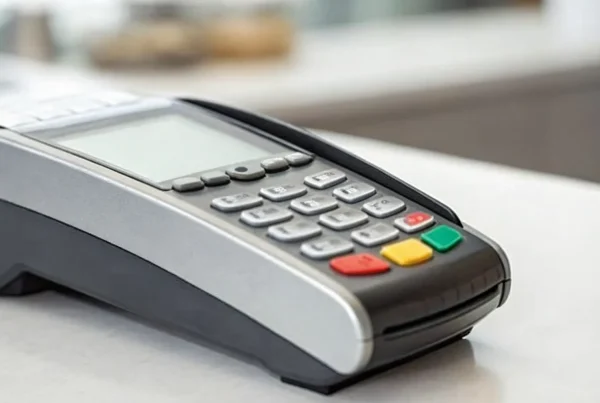
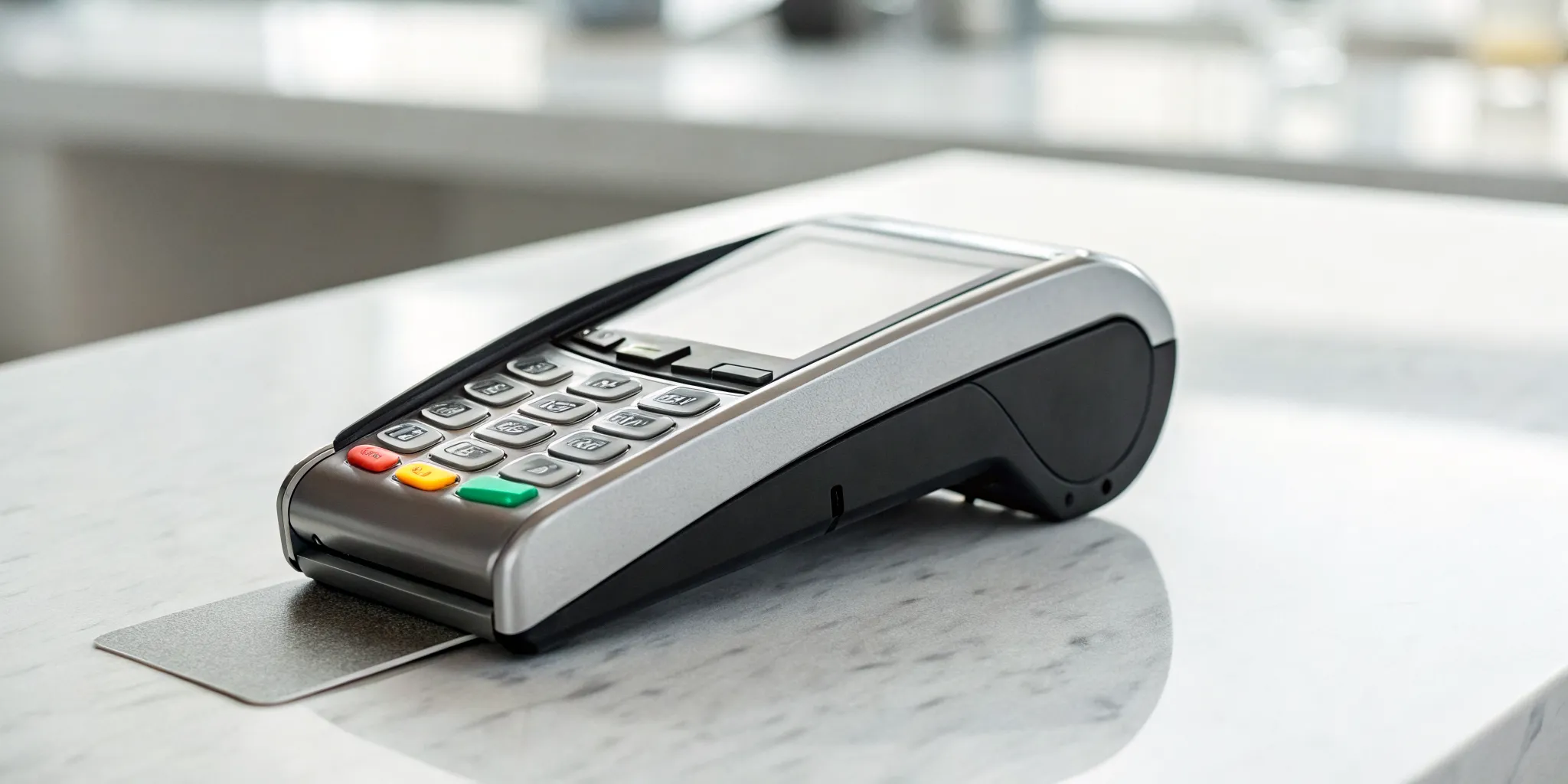
If you accept in-person payments, you’ve probably noticed that nearly every credit and debit card has a small, metallic chip on the front. An EMV card reader is the device designed to read that chip, offering a much more secure way to process transactions than the old magnetic stripe. Think of it as the modern standard for payment terminals.
Using an EMV-compliant reader isn’t just about keeping up with technology; it’s a critical step in protecting your business from fraud and financial loss. Since the major card networks rolled out new rules a few years ago, not having one could leave you responsible for fraudulent charges. Let’s break down what this technology is and how it shields your business.
What is EMV Technology?
EMV stands for Europay, Mastercard, and Visa, the three companies that originally created the technical standard for chip cards. This technology is now the global standard for secure in-person payments. When a customer inserts their chip card into an EMV reader, the chip creates a unique, one-time code for that specific transaction. This makes it incredibly difficult for fraudsters to counterfeit cards and use stolen data. It’s important to know that EMV technology is specifically designed to prevent fraudulent transactions at the point of sale. It doesn’t protect customer data once it’s stored in your system, which is why comprehensive payment security is still essential.
How EMV Protects Your Business from Fraud
The single biggest reason to use an EMV reader is to protect your business from liability. Years ago, if a fraudulent transaction occurred, the card-issuing bank typically absorbed the cost. That’s no longer the case. A “liability shift” put the responsibility on the party with the least secure technology. This means if a customer pays with a chip card but you process it using an old magnetic stripe reader, you could be held financially responsible for any resulting fraud. Using an EMV-compliant terminal for every chip card transaction helps you avoid fraud liability and shows your customers that you take their security seriously, building essential trust.
How Much Do EMV Card Readers Really Cost?
Figuring out the price of an EMV card reader can feel a bit like shopping for a car. There isn’t one single price tag because the cost depends entirely on the model, features, and what your business actually needs. You can find simple, portable readers for under a hundred dollars, while more complex terminals that are part of a full point-of-sale (POS) system can run into the hundreds. The key is to match the hardware to your operations without overspending on features you won’t use.
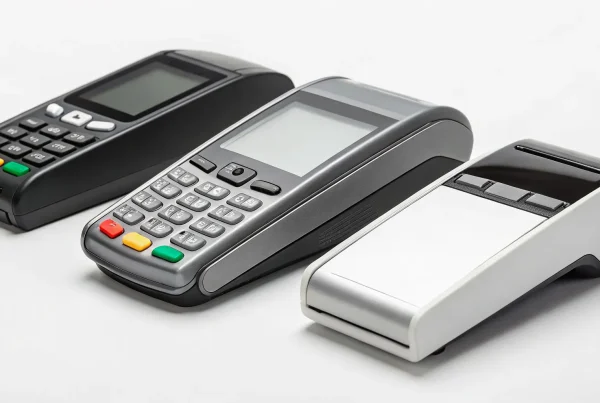
Think of it in three main tiers: entry-level mobile readers, mid-range countertop terminals, and advanced POS system components. Each tier serves a different type of business, from a pop-up shop owner who needs to take payments on a phone to a bustling restaurant that requires a robust, all-in-one system. Understanding these categories will help you find the right balance between cost and capability, ensuring you get a secure reader that fits your budget and helps your business run smoothly. Let’s break down what you can expect to pay in each category.
Entry-Level Readers
If you run a mobile business, work at trade shows, or just need a simple way to accept chip cards, an entry-level reader is your best starting point. These are typically small, portable devices that connect to your smartphone or tablet via Bluetooth. Because of their straightforward design, they are the most affordable option, often costing less than $100. They’re perfect for businesses that need flexibility, like food trucks, freelance service providers, or market vendors. While they don’t have all the bells and whistles of larger terminals, they provide secure EMV processing without a significant upfront investment.
Mid-Range Terminals
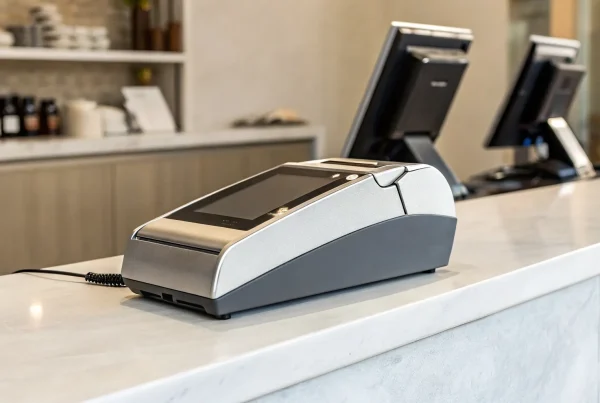
For most brick-and-mortar shops, cafes, and small restaurants, a mid-range terminal is the sweet spot. These are the classic countertop devices you see at most checkout counters. Prices for these terminals can range from about $150 to over $600, depending on the brand and features. A mid-range terminal typically includes a built-in PIN pad, a receipt printer, and sometimes a small customer-facing screen. They offer a reliable, all-in-one solution for businesses that need a dedicated station for processing payments. This category provides a great balance of robust functionality and affordability for established small businesses.
Advanced POS Systems
When your business needs more than just payment processing, you’ll be looking at an advanced POS system. The card reader itself is just one component of a larger, integrated setup that can manage inventory, track sales data, and handle employee time clocks. While a single EMV reader for one of these systems might cost around $150 to $200, the total investment in the full system will be higher. These systems are ideal for larger retail stores, busy restaurants, and any business that wants a central hub to manage its entire operation. Often, purchasing multiple hardware components together can also bring the per-unit cost down.
What Factors Drive the Price of an EMV Reader?
When you start shopping for an EMV reader, you’ll quickly notice that prices can vary quite a bit. A simple mobile reader might cost less than a nice dinner out, while a full-featured countertop terminal can be a more significant investment. This price difference isn’t random; it’s tied directly to the reader’s capabilities, brand, and technology.
Think of it like buying a car. A basic model will get you from point A to point B, but if you want features like a sunroof, a better sound system, or advanced safety technology, the price goes up. The same principle applies to EMV readers. The key is to find the sweet spot between affordability and functionality for your specific business. A bustling coffee shop has different needs than a freelance photographer who takes payments on the go. Understanding what drives these costs will help you choose a device that fits your budget without sacrificing the essential features your business needs to operate smoothly and securely. From the brand name to the software inside, several components work together to determine the final cost. Let’s break down the four main factors that influence the price tag.
Brand and Reputation
Just like with any other piece of technology, the brand name on an EMV reader matters. Established manufacturers with a long history of reliability and security often come with a higher price tag. This premium is for more than just the name; it reflects years of research, development, and a proven track record in the industry. While a lesser-known brand might offer a lower upfront cost, it’s important to consider the long-term value. A well-regarded brand often provides better customer support, more reliable hardware, and consistent software updates, which can save you headaches down the road. The reader’s price is often influenced by the cost of its components and the company’s brand positioning in the market.
Key Features and Functions
The core functionality of a card reader has a major impact on its price. A basic reader that only accepts EMV chip cards will naturally cost less than a terminal that does it all. More advanced models are designed to support various payment methods, including traditional magnetic stripes, chip cards, and contactless payments. Additional features like a built-in receipt printer, a customer-facing display, or the ability to run apps directly on the device will also increase the cost. Before you buy, make a list of your must-have features versus your nice-to-haves. This will help you find a reader that meets your needs without paying for bells and whistles you’ll never use.
Tap-to-Pay and Contactless Options
In recent years, customers have come to expect quick and easy payment options. The ability to tap a card or use a mobile wallet like Apple Pay or Google Pay is no longer a luxury, it’s a standard for many businesses. Readers equipped with Near Field Communication (NFC) technology to handle these transactions are typically more expensive than those without. This is because the demand for secure, contactless payment options has grown significantly. While it might be tempting to save money with a non-NFC device, investing in a reader with tap-to-pay capabilities can lead to faster checkout times and happier customers.
Software and System Integration
An EMV reader doesn’t work in a vacuum. It needs to connect seamlessly with your point-of-sale (POS) system, inventory management software, and payment processor. The complexity of this integration plays a big role in the overall cost. Some readers are designed for simple, plug-and-play use, while others require more complex setup and custom software. You should also consider the ongoing costs associated with software updates and maintenance, which are crucial for keeping your system secure and compliant with payment industry standards. A reader that integrates smoothly with your existing setup can save you time and prevent operational disruptions.
What Features Matter Most in an EMV Reader?
When you’re shopping for an EMV reader, it’s easy to get caught up in the price tag. But the initial cost is only one piece of the puzzle. The right features can make your checkout process smoother, keep your customers’ data safe, and adapt as your business grows. Focusing on a few key areas will help you find a terminal that’s not just a piece of hardware, but a valuable tool for your business.
Think about what you need your reader to do every day. Will it sit on a countertop, or do you need something portable for markets and events? How important is speed during your busiest hours? Answering these questions will help you look past the price and focus on the features that deliver real value. From robust security to accepting the latest payment types, let’s break down what truly matters in an EMV card reader.
Essential Security and Encryption
Here’s something many business owners don’t realize: EMV technology itself doesn’t automatically encrypt transaction data. The chip is designed to verify that the card is legitimate, which helps prevent you from accepting a counterfeit card. However, it doesn’t protect the cardholder’s data once it enters your system. To truly secure that sensitive information, you need a reader that also provides point-to-point encryption (P2PE).
This type of data security scrambles card information the moment it’s captured, making it unreadable to fraudsters even if they manage to breach your network. Without it, you could be holding onto unprotected data, putting your business and your customers at risk. When choosing a reader, always ask your payment provider if it includes P2PE to ensure you’re protected from every angle.
Payment Versatility (Cards, Wallets, and More)
Your customers expect options. The easier you make it for them to pay, the less likely you are to lose a sale at the last second. A modern EMV reader should do more than just dip chip cards. Look for a device that also accepts contactless payments, often called NFC or “tap-to-pay.” This allows customers to pay quickly and securely with their smartphones using digital wallets like Apple Pay and Google Wallet, or by simply tapping their contactless card.
This versatility is especially important if you run a business that moves around, like a food truck or a booth at a local market. A mobile-friendly reader that accepts a wide range of payments ensures you can serve any customer, anywhere. Offering more ways to pay creates a better, faster checkout experience that customers appreciate.
Ease of Use for You and Your Staff
The most advanced terminal in the world won’t do you any good if it’s a headache to operate. Your card reader should make your job easier, not more complicated. Look for a device with a simple, intuitive interface, a clear screen, and straightforward prompts that guide both your staff and your customers through the transaction. A complicated system can lead to errors, slow down your lines, and create a frustrating experience for everyone involved.
Remember, the time you spend training employees on a difficult system is time taken away from serving customers. A user-friendly reader reduces training time and minimizes the chance of mistakes. The best terminals are the ones you barely have to think about. They just work, allowing you to focus on what you do best: running your business.
Choosing a Reader That Will Last
A card reader is an investment, so you want to choose one that’s built to last. Consider the physical demands of your business environment. A busy retail store or restaurant needs a durable terminal that can handle constant use, while a mobile business needs a reader with a long battery life and a sturdy build. Don’t forget to think about the brand’s reputation for reliability and customer support.
Beyond physical durability, consider its technical longevity. Make sure the reader is compatible with your current point-of-sale (POS) system and has the flexibility to integrate with new software as your business evolves. Choosing a terminal from a reputable brand that is known for quality EMV hardware ensures it will not only withstand daily wear and tear but also keep up with the changing pace of payment technology.
Understanding Your EMV Reader Options
Once you know which features are non-negotiable, you can start exploring the hardware itself. The world of EMV readers isn’t one-size-fits-all. The best device for a bustling coffee shop will be different from what a freelance photographer needs. Your business model, sales volume, and physical setup will all point you toward the right type of reader. Let’s walk through the main categories to see where your business fits.
The MBNCard Advantage
Making the switch to EMV isn’t just about new hardware; it’s about protecting your business. EMV cards are far more secure, help you avoid fraud liability, and build crucial trust with your customers. Instead of leaving you to figure it out alone, we guide you to the right terminal for your specific needs and budget. We believe in finding a solution that secures your transactions and gives you peace of mind, so you can focus on what you do best: running your business. Our goal is to be your partner in payments, not just another equipment vendor.
What to Look for in Mobile Readers
If you run a business on the move, a mobile reader is your best friend. Perfect for food trucks, market vendors, and service providers who work at client sites, these compact devices connect to a smartphone or tablet via Bluetooth. They are also some of the most affordable solutions, often costing less than $100. When shopping for one, check for long battery life, simple app integration, and compatibility with your mobile device. These readers make it easy to accept secure chip card payments anywhere you have a cell signal.
Key Features of Countertop Terminals
For businesses with a dedicated checkout area, like retail stores or restaurants, a countertop terminal is the classic choice. These sturdy devices are built for high-volume use and reliability. When selecting a countertop model, consider its connectivity options (do you prefer a stable Ethernet connection or the flexibility of Wi-Fi?) and its ability to process various payment types, including contactless payments and digital wallets. You should also check its compatibility with other hardware you use, like receipt printers and cash drawers, to ensure it fits seamlessly into your point-of-sale setup.
When to Consider a Specialty Reader
Sometimes, a standard mobile or countertop reader just won’t cut it. Specialty readers are designed for businesses with unique operational needs. For example, if you often sell at events with unreliable internet, a reader with offline processing capabilities could be a lifesaver, allowing you to queue transactions and process them later. Other businesses might need a reader that integrates with highly specific inventory or booking software. If your workflow has particular demands, it’s worth exploring specialty options to find a device that can keep up with your business.
Are There Hidden Costs with EMV Readers?
When you’re shopping for a new EMV reader, it’s easy to focus on the price of the hardware itself. But the sticker price is rarely the full story. The total cost of ownership goes beyond the physical terminal and includes several other expenses that can catch business owners by surprise. Thinking about these potential costs ahead of time helps you create a realistic budget and choose a payment partner that’s transparent about what you’re paying for.
From getting the system installed to keeping its software current, there are a few key areas where you can expect additional investment. You also have to consider the time it takes to train your team and the potential need for ongoing technical support. Each of these elements contributes to the true cost of upgrading your payment processing system. Let’s break down these often-overlooked expenses so you can make a fully informed decision for your business.
Setup and Installation Fees
Once you’ve purchased your EMV reader, the first potential cost you’ll encounter is for setup and installation. Depending on your provider and the complexity of your system, this can vary quite a bit. A simple, standalone terminal might be a plug-and-play situation you can handle yourself, but a more integrated point-of-sale (POS) system often requires professional installation to ensure it communicates correctly with all your other software. An EMV card reader kit alone can run from $400 to $900, and installation fees can add to that initial investment. Be sure to ask any potential payment processor if they charge for setup or if it’s included with your service package.
Software and Update Costs
Your EMV terminal runs on specialized software to process transactions securely, and that software needs to be kept up to date. These updates are not just for adding new features; they are essential for security and maintaining PCI compliance. Some providers include software updates in their monthly fees, while others charge for them separately. A single software update could cost between $200 and $500, and you might also encounter an ongoing software license fee. Neglecting these updates can expose your business to security vulnerabilities, so it’s a necessary and recurring expense you should plan for.
Staff Training Time
While not a direct invoice, the time it takes to train your employees on a new system is a real business cost. Every hour your team spends in training is an hour they aren’t serving customers or handling other responsibilities. Proper training is critical, because if your staff processes a chip card incorrectly (for example, by swiping it instead of dipping it), your business could be held responsible for any resulting fraud. This is part of the EMV liability shift that protects businesses that are compliant. Investing time in thorough training ensures transactions are smooth for customers and your business remains protected.
Ongoing Maintenance and Support
What happens when your card reader stops working during a busy Saturday rush? Having access to reliable technical support is crucial, and it often comes with a price tag. Some payment processors offer support as part of a monthly package, while others may charge on a per-call basis. It’s also important to understand what your maintenance plan covers. EMV technology is designed to prevent counterfeit card fraud, but it doesn’t automatically handle data encryption. Ongoing support helps ensure your entire system, not just the reader, remains secure and functional, giving you peace of mind.
Common Myths About EMV Reader Costs
When you’re looking at new equipment for your business, it’s easy to get sticker shock or feel overwhelmed by the options. The world of EMV readers is full of misconceptions that can lead you to either overspend or, worse, leave your business vulnerable. Let’s clear up a few common myths so you can make a decision that truly protects your bottom line.
Myth: The Reader is the Only Cost
Thinking the price tag on the card reader is your only expense is a common oversight. The reader itself is just one piece of your payment processing puzzle. To be fully protected, you need an entire system that is EMV compliant. This includes the software that runs on your terminal or POS system. Without a fully EMV-compliant point-of-sale system, that new reader won’t do you much good. The real cost to consider is the potential financial hit from fraud liability if your setup isn’t compliant. Think of it as an investment in security, not just a piece of hardware.
Myth: Any Chip Reader Protects Me from Liability
Just because a terminal has a slot for a chip card doesn’t automatically shield you from fraud liability. The protection comes from something called the “liability shift.” Before this rule, banks usually covered the cost of counterfeit card fraud. Now, if a customer pays with a chip card but you process it by swiping the magnetic stripe, the liability for that counterfeit fraud could fall on you. To be protected, your entire system must be set up to process EMV transactions correctly every time. It’s about having the right technology and using it the right way.
Myth: All Readers Are Equally Secure
This is a big one. EMV technology is fantastic at preventing the use of counterfeit cards at your register. However, its primary job isn’t to protect sensitive card data after the transaction is approved. Many EMV readers don’t automatically encrypt transaction data. This means that without additional security, like point-to-point encryption (P2PE), you could still be at risk for a data breach. A secure reader does more than just prevent fraud; it also works to protect card holder data as it travels from your business to the payment processor, keeping both you and your customers safe.
Find the Right EMV Reader for Your Business
The perfect EMV reader for a bustling coffee shop will look very different from the one a freelance photographer uses. Your industry, sales volume, and how you interact with customers all play a huge role in determining the right fit. Instead of searching for the single “best” device, focus on finding the best device for your specific business needs. Think about your daily workflow. Do you need something portable for house calls or farmers markets? Or do you need a durable, stationary terminal that can handle hundreds of transactions a day at a busy checkout counter?
Understanding these operational details will help you narrow down your options and invest in a reader that truly supports your business. Let’s look at a few common business types and what they should prioritize when choosing an EMV-compliant card reader. This will give you a clearer picture of how features and costs align with different industry demands, ensuring you get the security you need without overpaying for features you’ll never use.
For Retail Shops and On-the-Go Sales
If you run a retail boutique, a pop-up shop, or sell at local markets, your priorities are likely portability, simplicity, and affordability. You need a reader that’s easy to pack up and can connect wirelessly. The good news is that mobile card readers offer some of the most affordable solutions, often costing $100 or less. These devices typically pair with a smartphone or tablet, allowing you to accept secure chip card payments anywhere you have a connection. They are perfect for businesses that value flexibility and want to keep their initial hardware investment low while still ensuring full EMV compliance and protecting every sale.
For Restaurants and Hospitality
In the fast-paced world of restaurants and hospitality, your payment terminal needs to be a workhorse. Durability, speed, and advanced features like pay-at-the-table capabilities are key. The cost for these more robust systems can range from $400 to $900, with motorized readers offering enhanced security at a higher price point. A terminal like the A920 Pro, which includes a built-in printer, is a great example of an all-in-one solution that can streamline your checkout process. Investing in a quality restaurant POS system with a reliable EMV reader improves operational efficiency and enhances the customer experience.
For Service-Based Professionals
Whether you’re a mechanic, a consultant, or a stylist, protecting your business from fraud is just as important. As a service provider, you must be EMV compliant to avoid being held responsible for fraudulent credit card transactions. This is essential for building client trust and protecting your hard-earned revenue. You don’t necessarily need a complex system, but a reliable, professional reader is a must. A solid mid-range device, like the ID TECH Augusta, can be purchased for around $150. It provides the security you need to accept payments safely without the high cost of a full retail or restaurant setup.
How to Save Money on Your EMV Card Reader
An EMV-compliant card reader is a non-negotiable tool for your business, but the cost doesn’t have to be a roadblock. With a little strategy, you can get the secure, reliable hardware you need without overspending. Instead of just buying the first terminal you see, think about how the hardware fits into your overall payment processing picture. Smart business owners know that the price of the reader is just one piece of the puzzle. By exploring different acquisition models and program offers, you can significantly lower your upfront costs and find a solution that supports your financial goals. Let’s walk through three practical ways to save money on your next EMV reader.
Ask About Bundled Processing Packages
One of the easiest ways to save is by getting your EMV reader directly from your payment processor as part of a bundled package. When you sign up for a merchant account, many providers offer the necessary hardware at a steep discount or even include it with your service agreement. This approach simplifies everything. You get a terminal that’s guaranteed to be compatible with your processor’s system, and you have a single point of contact for any setup or support questions. Since your business must be EMV compliant to avoid liability for fraudulent charges, bundling is a smart way to meet that requirement while keeping initial costs low.
Decide Whether to Lease or Buy
Your next decision is whether to lease or buy your equipment. Buying a terminal means you own it outright. You’ll have a higher upfront cost, but you won’t have a monthly hardware payment. This is a great option if you have the cash on hand and plan to use the same terminal for several years. Leasing, on the other hand, breaks the cost down into smaller, predictable monthly payments. This can be a lifesaver for your cash flow, especially when you’re just starting out. The pricing of high speed card readers can vary widely based on features, so leasing can make a more advanced system accessible. Just be sure to read the terms, as leasing can sometimes cost more over the long run.
Look for Free Terminal Programs
Yes, you read that right. Many payment processors, including us at MBNCard, offer free terminal programs to new merchants. These programs are designed to remove the initial cost barrier and get your business accepting secure payments right away. Typically, you receive a brand-new, EMV-compliant terminal when you sign up for a merchant account. While these programs often require a service agreement, they provide incredible value by eliminating the upfront hardware expense entirely. For small businesses, free EMV terminals are a game-changer, allowing you to invest that capital back into other critical areas of your business, like inventory or marketing.
Related Articles
Frequently Asked Questions
Why is using an EMV reader so important if my old swiper still works? While your old magnetic stripe reader might still function, it puts your business at financial risk. Years ago, banks typically covered the cost of fraud from counterfeit cards. Now, that responsibility has shifted to the business with the least secure technology. If a customer uses a chip card and you process it by swiping the stripe, you could be held liable for the full amount of any fraudulent charges. Using an EMV reader for every chip card transaction is the best way to protect your business from that liability.
Besides accepting chip cards, what is the most critical security feature I should look for? The single most important security feature to look for is point-to-point encryption, often called P2PE. EMV technology is great at verifying that a card isn’t counterfeit, but it doesn’t automatically protect the cardholder’s data once it enters your system. P2PE scrambles that sensitive information the instant the card is read, making the data useless to potential thieves. It’s an essential layer of security that protects both your customers and your business from data breaches.
Does a higher price tag mean the EMV reader is better or more secure? Not necessarily. A higher price usually reflects more features, not fundamentally better security. An expensive terminal might include a built-in receipt printer, a large touchscreen, or the ability to manage inventory as part of a full point-of-sale system. A simple, affordable reader can be just as secure for processing payments. The key is to choose a device that fits your specific business needs and workflow, rather than assuming that more expensive equals more secure.
Are EMV chip payments the same as contactless or tap-to-pay options? They are two different technologies, though many modern terminals handle both. EMV payments happen when a customer inserts, or “dips,” their card into the reader, allowing the chip to create a unique code for the transaction. Contactless payments use Near Field Communication (NFC) technology, which allows a customer to simply tap their card or smartphone to pay. While both are very secure, they offer different types of convenience at checkout.
What’s the most affordable way to get an EMV-compliant reader for my business? The most budget-friendly approach is to look for a free terminal program, which many payment processors offer when you sign up for a merchant account. This eliminates the upfront hardware cost entirely. Another great option is to ask about bundled packages that include a discounted reader with your processing service. Finally, you can consider leasing the equipment, which allows you to make small monthly payments instead of buying it outright, helping you manage your cash flow.