A slow, clunky checkout process is one of the quickest ways to lose a sale. In a world of one-click ordering and tap-to-pay, customers expect a frictionless experience. This is where finding the fastest payment processor becomes a critical part of your customer service strategy. A system that approves transactions in a split second keeps lines moving and online shoppers from abandoning their carts. But the customer’s experience is only half the story. You also need a processor that moves that money into your account quickly and reliably. This article covers both sides of the coin, showing you how to choose a processor that delivers speed for your customers and for your cash flow.
Key Takeaways
- Define what “fast” means for your business: A processor’s speed isn’t just about how quickly you get paid. Decide what matters most to your operations: instant setup to start selling now, rapid transactions to keep lines short, or seamless integrations to save administrative time.
- Weigh speed against total cost: The fastest funding options can come with premium fees. To find the true cost, look past the advertised rates and ask for a full breakdown of all charges, including monthly fees, transaction costs, and potential hidden penalties.
- Match features to your business model: The right processor for an e-commerce store is different from one for a service business. Prioritize features that solve your specific needs, like mobile payments for on-the-go sales or robust security for high-volume transactions.
What Does “Fast” Mean for a Payment Processor?
When you’re looking for a “fast” payment processor, it’s easy to assume it just means getting your money quickly. While that’s a huge piece of the puzzle, speed actually shows up in a few different ways. What matters most to one business might be a minor detail for another. For instance, a brand-new online store might prioritize a quick setup to start making sales immediately, while a high-volume restaurant will care more about transaction speed to keep the lunch line moving.
Understanding these different types of speed will help you find a processor that truly fits your needs, keeping your operations smooth and your cash flow healthy. It’s about looking beyond just one metric and seeing the whole picture. A processor can offer instant payouts but have a clunky integration that costs your team hours each week in manual data entry. Or, it might have a lightning-fast checkout but take a week to get your account approved. Let’s break down the four key areas where speed really counts, so you can decide what “fast” means for your business.
Transaction Speed
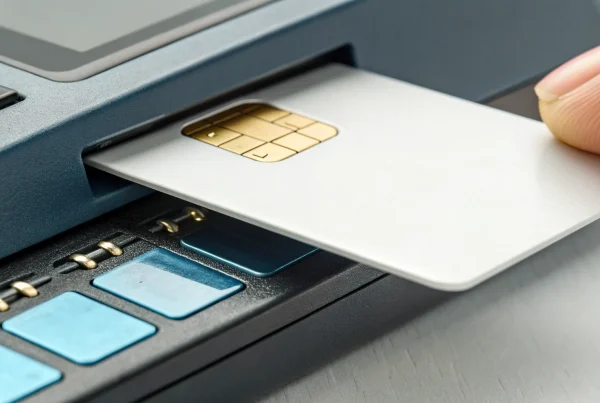
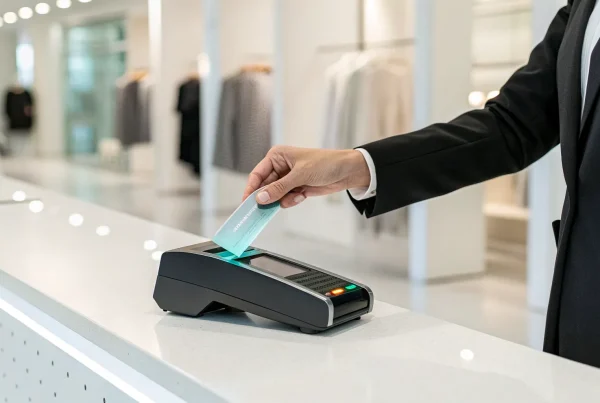
Transaction speed is all about the customer’s experience. It’s the time it takes from when a customer swipes their card, taps their phone, or clicks “Buy Now” to when the payment is approved. For in-person sales, this means no awkward waiting at the register. Online, it means a seamless checkout that doesn’t give shoppers a reason to abandon their cart. While credit card authorizations are nearly instant, other methods like ACH transfers can take several business days to clear. A fast processor ensures this front-end experience is quick and painless for everyone involved, which helps build customer trust and loyalty.
Setup and Onboarding
How long does it take to go from signing up to actually accepting payments? That’s setup speed. Some processors have lengthy application and underwriting processes that can take days or even weeks. Others offer a streamlined, digital experience that gets you up and running the same day. For a new business eager to make its first sale or an established one switching providers, a quick and easy onboarding process is critical. You want to spend your time running your business, not filling out paperwork and waiting for approvals. A fast setup means you can start generating revenue sooner.
Payout Speed
This is the one most business owners care about—how quickly the money from your sales lands in your bank account. This is often called funding speed or settlement time. The industry standard used to be two to three business days, but that’s changing. Many modern processors now offer next-day, same-day, or even instant funding. Faster payouts have a direct impact on your cash flow management, giving you the capital you need to pay bills, buy inventory, and grow your business without waiting for your money to clear. This is especially crucial for businesses with tight margins or high inventory costs.
Integration Speed
How quickly and easily can your payment processor connect with the other tools you rely on? This is integration speed. A processor that seamlessly syncs with your accounting software, e-commerce platform, or POS system saves you countless hours of manual work and prevents data-entry errors. A clunky or complicated integration, on the other hand, can cause major operational headaches and downtime. The right processor should feel like a natural extension of your existing systems, not a roadblock you have to work around. A smooth integration process means less disruption and more time to focus on what matters.
10 of the Fastest Payment Processors for Your Business
When you’re running a business, waiting for your money to hit the bank can be one of the most frustrating parts of the job. You’ve made the sale, delivered the product or service, and now you’re stuck in a holding pattern. Finding a payment processor that moves as quickly as you do is essential for maintaining healthy cash flow and keeping your operations running smoothly. But “fast” can mean different things. For some, it’s about how quickly a customer can complete a transaction at checkout. For others, it’s about how soon the funds from that sale are actually available in their business account.
The good news is that you have plenty of options, each with its own strengths. Some processors are built for lightning-fast online setup, letting you start accepting payments in minutes. Others specialize in rapid funding, turning your sales into usable cash in 24 hours or less. This list covers ten of the speediest payment processors available, highlighting what makes each one a great choice for different types of businesses. Whether you’re an online entrepreneur, a retail store owner, or a service provider, you’ll find a solution here that can help you get paid faster.
1. MBNCard – Get Set Up and Funded the Same Day
For business owners who need to get up and running immediately, MBNCard is a standout choice. We’ve designed our application and approval process to be as efficient as possible, allowing many merchants to get approved and set up for processing on the very same day. This means you can start accepting payments almost instantly. More importantly, we offer same-day funding options that ensure the money from your sales is in your bank account within hours, not days. This rapid access to your funds is a game-changer for managing inventory, paying staff, and handling daily operational costs without delay. It’s the ideal solution for businesses that can’t afford to wait on their revenue.
2. Stripe – A Developer-First Option with Instant Setup
Stripe has built its reputation on being incredibly flexible and developer-friendly, but you don’t need to be a coder to appreciate its speed. For online businesses, Stripe offers an almost instant setup process that lets you start accepting payments on your website right away. Its powerful APIs are designed for seamless integration, which means less time spent on technical hurdles and more time focused on your business. Stripe excels at creating a smooth checkout experience for customers, which reduces cart abandonment and keeps sales moving. While standard payouts take a couple of days, Stripe also offers Instant Payouts (for a small fee) to eligible users, allowing you to access your funds within minutes.
3. Square – The Quick-Start Solution for Small Businesses
Square is a favorite among small businesses, especially those in retail, food service, and appointment-based industries, for a reason. Its sign-up process is famously simple, allowing you to start accepting in-person or online payments in minutes with minimal fuss. Square’s hardware, like its card readers and registers, is intuitive and designed for quick transactions. One of its best features is the speed of its deposits. While standard next-business-day transfers are free, Square offers an instant transfer option that sends funds to your linked bank account immediately, 24/7, for a small fee. This makes it an excellent choice for businesses that need fast access to their daily earnings.
4. PayPal – Get Paid Instantly with a Name Customers Trust
PayPal is one of the most recognized names in online payments, and that familiarity translates to speed. When customers see the PayPal button, they know the checkout process will be quick and secure, often leading to faster conversions. For businesses, the speed is just as impressive. Payments received through PayPal are available in your PayPal account almost instantly. From there, you can use the funds to make business purchases or transfer them to your bank account. Standard transfers are free and typically take 1-3 business days, but PayPal also offers an Instant Transfer option that moves your money to a linked debit card or bank account in minutes for a fee.
5. Amazon Pay – Offer a Faster Checkout Experience
Leveraging the trust and convenience of the world’s largest online retailer, Amazon Pay allows customers to check out on your site using the payment and shipping information already stored in their Amazon account. This dramatically speeds up the checkout process, reducing friction and abandoned carts. For merchants, the speed extends to payouts. While standard transfers follow a regular schedule, Amazon Pay documentation notes that eligible businesses can get funds within 24 hours, which is significantly faster than the typical ACH transfer timeline. This makes it a powerful tool for e-commerce businesses looking to provide a familiar, fast, and secure payment option for millions of Amazon shoppers.
6. GoCardless Instant Bank Pay – Move Money in Real-Time
GoCardless offers a unique approach to fast payments with its Instant Bank Pay feature. Instead of relying on credit cards, it uses the Open Banking network to facilitate direct, real-time payments from a customer’s bank account. This is a fantastic option for collecting one-off payments for services, invoices, or high-value goods. According to GoCardless, this method provides real-time confirmation for both you and your customer, so you know the payment has been made successfully without waiting for card authorizations or bank processing times. It’s a secure and speedy alternative, especially for B2B companies or businesses that want to avoid card processing fees and chargebacks.
7. Clover – An All-in-One System Built for Speed
Clover is more than just a payment processor; it’s a complete point-of-sale (POS) and business management system. Its speed comes from the seamless integration of its hardware and software, which is designed to handle high-volume transactions quickly and efficiently. For restaurants, retail stores, and service businesses, a fast and reliable checkout process is crucial for customer satisfaction. Clover’s systems are built to minimize wait times, whether customers are paying with a card, phone, or cash. It also offers Rapid Deposit, a service that gives you access to your funds within minutes—including nights, weekends, and holidays—for a small fee. This makes it a robust solution for brick-and-mortar businesses that prioritize both transactional speed and quick access to capital.
8. Adyen – Process Global Payments Quickly
For businesses with an international customer base, Adyen provides a single platform to accept payments from around the world. Its strength lies in its ability to process global transactions quickly and efficiently by connecting directly to local card networks. This direct connection reduces processing delays and increases authorization rates, ensuring a smoother payment experience for your international customers. As a global payment company, Adyen is built to help businesses transfer money in real-time across borders. This makes it an excellent choice for e-commerce stores and subscription services looking to scale globally without the payment headaches that often come with international expansion.
9. Braintree – Speed Up Mobile and Online Payments
A PayPal service, Braintree is a powerhouse for mobile and online payments. It’s designed to provide a frictionless checkout experience within apps and on websites, which is critical for converting mobile shoppers who have little patience for slow or clunky payment forms. Braintree supports a wide range of payment methods, including cards, digital wallets like Apple Pay and Google Pay, and of course, PayPal. This flexibility allows customers to pay how they want, speeding up the entire process. Like its parent company, Braintree offers fast access to funds, giving businesses the financial agility they need to operate effectively in the fast-paced world of e-commerce.
10. Authorize.Net – A Reliable Choice for Established Businesses
Authorize.Net is one of the oldest and most trusted payment gateways, and it has remained a top choice by continually adapting to the needs of modern businesses. It’s known for its reliability and robust security features, but it’s also focused on speed. The platform has been redesigned to help businesses get paid faster through a streamlined online payment system. It integrates with a vast number of merchant accounts and shopping carts, making it a versatile option for established businesses with existing systems. While it may require a separate merchant account, its dependability and advanced fraud detection tools provide peace of mind, ensuring that your fast transactions are also secure ones.
How Payment Methods Stack Up on Speed
When a customer decides to buy, the payment method they choose has a huge impact on how quickly you see that money in your bank account. Not all payment types are built for speed, and understanding the differences is key to managing your cash flow and keeping customers happy. Think of it like shipping a package—some methods are overnight, while others are more like ground shipping: slower, but often more cost-effective.
For your business, the “fastest” method depends on what you’re measuring. Are you focused on the speed of the customer’s checkout experience? Or the speed at which the funds are deposited into your account? The answer will shape which payment options you prioritize. A coffee shop needs a lightning-fast checkout to keep the morning line moving, while a B2B service provider might prefer a slower, low-cost method for large invoices. Let’s break down how the most common payment methods perform so you can build the right payment mix for your business.
Credit and Debit Cards
Credit and debit cards are the gold standard for a fast checkout. When a customer swipes, dips, or enters their card details online, they get a near-instant approval or decline. This immediate feedback is what customers expect in most retail and e-commerce settings. While the transaction itself is authorized in seconds, it’s important to remember that the funds don’t land in your bank account instantly. The money goes through a settlement process that typically takes one to two business days. So, while the sale is immediate, your access to the cash is slightly delayed. This is a crucial distinction for managing your daily cash flow.
ACH and Bank Transfers
If credit cards are the sprinters of the payment world, think of ACH and bank transfers as the marathon runners. An ACH payment is a direct transfer from your customer’s bank account to yours. It’s a much more direct route that bypasses the major card networks, which is why it’s significantly cheaper—often costing a small flat fee instead of a percentage. The trade-off is speed. These transactions typically take one to three business days to process and settle. This makes them a fantastic, cost-effective option for recurring payments like subscriptions or for large B2B invoices where saving on fees outweighs the need for instant payment.
Digital Wallets
Digital wallets like Apple Pay, Google Pay, and PayPal offer a great balance of speed, security, and convenience. For your customers, they provide a super-fast checkout experience, often requiring just a fingerprint or facial scan to complete a purchase online or in-store. For you, the transaction process works much like a credit or debit card payment, with authorization happening in seconds. Because they use tokenization to protect card data, they also add an extra layer of security. This combination of speed and safety makes them a popular choice for shoppers and a smart addition to your payment options.
Contactless and Mobile Payments
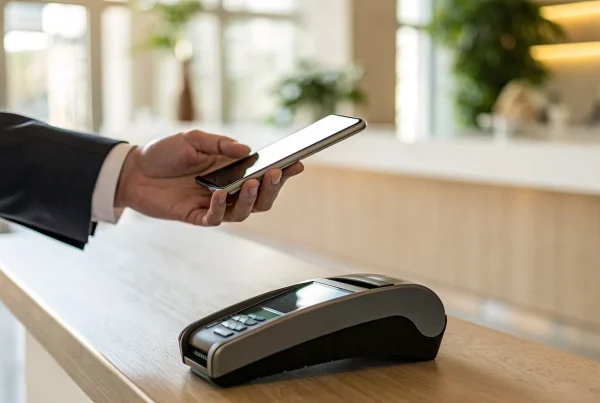
Contactless payments—whether through a tap-to-pay card or a mobile device—are all about speeding up the in-person checkout line. This technology allows customers to simply tap their card or phone on a compatible terminal to pay, cutting down transaction times to just a few seconds. For businesses with high foot traffic, like cafes, food trucks, or boutiques, this is a game-changer. It not only gets customers on their way faster but also improves the overall customer experience. The funding speed is similar to a standard card transaction, but the efficiency gained at the point of sale is invaluable.
Does Faster Processing Cost More?
It’s the million-dollar question for any business owner: if I get my money faster, am I going to pay more for it? The short answer is, sometimes. While there’s often a trade-off between speed and cost, it’s not always a direct one-to-one relationship. A processor that offers instant payouts isn’t automatically more expensive than one with a three-day funding schedule. The real cost comes down to the processor’s overall fee structure.
Think of it this way: some providers treat speed as a premium feature. They might offer standard two-day funding in their basic plan but charge an extra fee or require a higher-tier plan for same-day or next-day deposits. Others build fast funding into their standard pricing, but their transaction rates might be slightly higher to cover the service. The key is to look beyond the flashy “instant funding” claims and understand how every fee—from transaction rates to monthly charges—works together. It’s about finding a provider whose pricing model aligns with your cash flow needs without surprising you with unexpected costs.
How Speed Impacts Transaction Fees
The most direct way speed affects your costs is through transaction fees, especially when comparing different payment methods. Faster payment types, like credit and debit cards, typically come with higher processing rates than slower methods like ACH bank transfers. There’s a simple reason for this: convenience and security have a price. When a customer swipes their card, multiple entities—the issuing bank, the card network (like Visa or Mastercard), and the payment processor—work together in seconds to approve the transaction securely.
This complex, instant verification process costs money, which is reflected in your transaction fee. An ACH transfer, on the other hand, is a simpler, slower process that moves money directly between bank accounts, resulting in lower transaction costs. So, while offering card payments provides a speedy checkout for your customers, you’ll want to account for the higher fees that come with that speed.
Monthly and Setup Fees
Beyond the cost of each swipe or tap, some processors charge fixed fees that can be influenced by the speed of their service. A provider offering premium features like same-day funding or advanced analytics might bundle them into a monthly subscription plan. You might also encounter a one-time setup fee to get your account established, especially if you need specialized hardware or software integrations.
When you’re comparing processors, don’t let a low transaction rate distract you from these fixed costs. A provider might advertise a rock-bottom rate of 1.5% per transaction but charge a $99 monthly fee. If your sales volume is low, that monthly fee could end up being a huge chunk of your processing expenses. Always do the math to understand your total potential cost, not just the per-transaction percentage.
Watch Out for Hidden Costs
This is where things can get tricky. The most frustrating expenses aren’t the ones you can plan for—they’re the ones buried in the fine print. Unfortunately, some processors are notorious for tacking on a long list of miscellaneous charges. These hidden costs of payment processing can quickly erase any savings you thought you were getting from a low advertised rate.
Common culprits include statement fees, batch processing fees (a charge for settling your daily transactions), and PCI non-compliance fees if you fail to meet security standards. You might also see gateway fees for e-commerce transactions or early termination fees if you try to switch providers. Before you sign any contract, ask for a complete schedule of all potential fees. A transparent partner will be happy to walk you through every single one.
Finding the Right Balance Between Speed and Cost
Ultimately, the goal isn’t to find the absolute fastest or cheapest processor. It’s to find the one that offers the right value for your specific business. A bustling coffee shop needs lightning-fast card approvals to keep the line moving, and the slightly higher cost is a worthwhile investment. A consultant who invoices clients monthly, however, might prioritize low-cost ACH payments over instant speed.
The best approach is to find a payment partner who is upfront and clear about their pricing. A reliable provider will take the time to understand your business model, sales volume, and cash flow needs before recommending a solution. They should be able to explain every line item on your statement and help you find the perfect equilibrium between getting paid quickly and keeping your costs manageable. This partnership approach ensures you get the speed you need without overpaying for features you don’t.
Key Features of a Fast Payment Processor
When you’re looking for a fast payment processor, you’re looking for more than just quick transaction times. The best providers build speed into every part of their service. They offer features that help you operate more efficiently, expand your reach, and keep your business secure without slowing you down. Think of these features as the engine under the hood—they’re what truly powers a fast and reliable payment experience for you and your customers.
Multi-Currency Support for Global Reach
In today’s connected world, your next customer could be anywhere. A fast payment processor makes it simple to sell across borders by handling multiple currencies automatically. This means an international customer can see prices in their local currency and pay without any friction or confusion. This feature is a game-changer for e-commerce businesses looking to expand their market. Instead of dealing with complicated conversions or limiting your sales to one country, you can offer a smooth checkout experience for everyone, helping you grow your business on a global scale.
Security That Keeps Pace
Speed is great, but not at the expense of security. A top-tier processor moves fast while keeping your business and customer data safe. They use sophisticated tools, often powered by artificial intelligence, to spot and stop fraudulent transactions in real-time. This happens behind the scenes in milliseconds, so legitimate sales go through without a hitch while suspicious activity is flagged. This proactive approach to fraud prevention protects your revenue and builds trust with your customers, all without creating delays at checkout. It’s about being both fast and smart.
On-the-Go Mobile Payments
Your business isn’t always tied to a traditional countertop. Whether you’re at a farmers market, a trade show, or a client’s home, you need the ability to accept payments anywhere. Fast processors offer robust mobile payment solutions that turn your smartphone or tablet into a fully functional point-of-sale system. With a simple card reader and an intuitive app, you can swipe, dip, or tap cards on the spot. This flexibility means you never have to miss a sale just because you’re away from your home base, ensuring a quick and professional transaction every time.
Easy System Integrations
A payment processor is just one piece of your business puzzle. To operate efficiently, it needs to connect seamlessly with the other tools you rely on, like your accounting software, e-commerce platform, or CRM. The fastest processors are built with easy integrations in mind. They offer simple, plug-and-play connections that sync your data automatically, saving you from hours of manual entry. This ensures your sales, customer, and inventory information is always up-to-date across all your systems, allowing you to get a clear picture of your business performance without any technical headaches.
Finding the Right Speed for Your Business
The “fastest” payment processor isn’t a one-size-fits-all solution. The right choice depends entirely on how you do business. An online store has different priorities than a brick-and-mortar shop, and a subscription service has unique needs compared to a high-volume retailer. Let’s break down what speed looks like for different business models so you can find the perfect fit.
For E-commerce and Online Stores
If you run an online business, speed is about more than just transaction time—it’s about getting your store up and running quickly and keeping your cash flow healthy. You need a processor that integrates seamlessly with your website and allows customers to check out without a hitch. Processors like Stripe offer instant online setup and powerful APIs, making them a favorite for developers and online businesses. For e-commerce, choosing a provider that facilitates digital payment methods is key, as near-instant transactions keep your operations agile and your funds accessible.
For Retail and In-Person Sales
When customers are standing in front of you, every second counts. For retail and in-person sales, speed means a fast, frictionless checkout experience. Look for processors with intuitive interfaces and quick hardware, like a contactless chip reader that works with a smartphone or tablet. Square is a popular choice for small businesses because it offers a quick sign-up process and fast deposits, especially for in-person sales. The goal is to keep the line moving and customers happy, so a processor that minimizes wait times is essential for building loyalty and maximizing sales.
For Service and Subscription Models
If your business relies on recurring revenue, your payment processing needs are centered on reliability and consistency. While you might use ACH transactions for recurring billing, keep in mind they can take one to three business days to clear. For more immediate payment collection, look for a processor that specializes in subscription management. Some platforms use advanced AI-powered tools to reduce fraud and recover failed payments automatically, which helps protect your revenue stream without requiring constant manual oversight. This ensures your income is predictable and secure month after month.
For High-Volume Businesses
When you’re processing a large number of transactions, you need a system that is both fast and incredibly reliable. Downtime isn’t an option. For high-volume businesses, the ideal processor can handle many payment types without slowing down. A robust online payment system like Authorize.net is built to help businesses get paid faster, even when transaction volumes are high. These platforms focus on making payments secure and efficient, ensuring that your system can keep up with your growth and handle peak sales periods without any issues.
Potential Roadblocks with Fast Processing
While getting your money quickly is a huge win, moving too fast without looking can lead to a few bumps in the road. Speed is a fantastic feature, but it needs to be balanced with security, cost-effectiveness, and simplicity. Before you commit to the fastest processor on the market, it’s smart to understand the potential challenges that can come with it. Thinking about these roadblocks ahead of time helps you choose a partner who offers speed without sacrificing the stability and security your business depends on. Let’s walk through the four main areas to keep an eye on.
Security and Fraud Risks
Faster payments can sometimes mean less time to catch fraudulent activity. When transactions are approved in a split second, it can create opportunities for bad actors if your security isn’t up to the task. For a small business, managing this risk on your own is a tall order. That’s why your payment processor should act as your first line of defense. A great partner will offer advanced fraud protection tools that work just as fast as their transactions, using things like tokenization and encryption to keep your data and your customers’ information safe without slowing things down.
Managing Higher Fees
It’s a common question: does faster processing cost more? Sometimes, yes. While competition keeps rates in check, some processors attach higher fees to their speediest services. The real challenge often lies in the costs you don’t see upfront. Many business owners find themselves surprised by hidden charges like statement fees, batch processing charges, or early termination penalties. It’s essential to get a clear, transparent breakdown of all potential costs. Don’t be afraid to ask for a full fee schedule so you can accurately compare providers and find a solution that balances processing speed with affordability.
Complex Integrations
Your payment processor needs to play well with the other tools you use to run your business, from your accounting software to your e-commerce platform. A new, lightning-fast system won’t do you much good if it doesn’t connect smoothly with your existing setup. Integrating old and new systems can be a major headache, leading to manual data entry, workflow disruptions, and wasted time. Before you sign on, confirm that the processor offers simple, reliable integrations for the tools you already rely on. A smooth setup process is just as important as fast transaction speeds.
Staying Compliant
No matter how fast you process payments, you still have to follow the rules, especially when it comes to the Payment Card Industry Data Security Standard (PCI DSS). Staying compliant protects you and your customers from data breaches, but it can also come with its own set of fees. Some processors charge extra for PCI compliance validation, or worse, hit you with non-compliance penalties if you fall behind. A trustworthy provider will be upfront about these costs and provide clear guidance to help you maintain compliance easily, ensuring your need for speed doesn’t put you at risk.
How Fast is “Fast Enough” for Your Business?
While instant everything sounds great, the fastest payment processor isn’t always the best one for your business. The real goal is to find the right speed—a sweet spot that keeps your cash flowing, your customers happy, and your business secure. Chasing speed without considering the bigger picture can lead to high fees, security risks, and operational headaches. So, before you jump to the provider promising same-second transfers, take a step back and think strategically. What works for a high-volume online retailer might not be the best fit for a local service business with monthly invoices. The definition of “fast” is personal to your business model and financial health. Finding your ideal processing speed means you’re not overpaying for features you don’t need or, worse, sacrificing security for a few saved hours. It’s about making a smart, sustainable choice that supports your growth instead of hindering it. Let’s break down how to figure out what “fast enough” really means for you by looking at your cash flow, customer needs, and security requirements.
Define Your Cash Flow Needs
How quickly do you need access to your money after a sale? This is the most important question to ask. If you have rent, payroll, and inventory costs due every week, waiting several days for funds to clear can put a serious strain on your operations. Some payment methods, like ACH transfers, can take one to three business days to settle. While that might be fine for a business with predictable monthly revenue, it can be a dealbreaker for a retail shop with daily expenses. Take a hard look at your financial cycle. Understanding your cash flow needs will help you determine if same-day funding is a must-have or just a nice-to-have.
Weighing Customer Expectations Against Cost
Your customers expect a quick and easy checkout, and fast payment processing is a huge part of that experience. But that speed often comes at a price. Credit card transactions are nearly instant for the customer, but they carry higher processing fees for you. According to the Federal Reserve, these credit card processing fees are one of the biggest payment challenges for small businesses. You have to decide where the balance lies. Will a slightly slower, cheaper option frustrate customers and lead to abandoned carts? Or are the savings from lower fees worth it? Analyze your margins and your customers’ patience to find the right answer.
Balancing Speed with Security
Moving money quickly is great, but moving it securely is non-negotiable. The fastest processor in the world won’t do you any good if it exposes you to fraud and chargebacks. As digital payments grow, so do the risks of fraud and the complexities of staying secure. Don’t let the promise of speed overshadow the need for robust security features like encryption, tokenization, and PCI compliance. A truly great payment partner provides both. They ensure your transactions are not only swift but also protected, giving you and your customers peace of mind. Always vet a provider’s security protocols just as thoroughly as you vet their speed claims.
How to Vet a Processor’s Speed Claims
Every payment processor will tell you they’re fast, but “fast” can mean different things. One company might excel at getting you set up in minutes, while another gets money into your bank account quicker. To find the right fit, you need to look past the marketing headlines and ask the right questions. Getting clear answers on setup, transaction, and payout speeds will help you understand exactly what a provider offers and avoid any surprises down the road.
Key Questions to Ask Any Provider
When you’re talking to a potential provider, have a list of specific questions ready. Don’t settle for vague answers—clarity is key to protecting your business.
Start with these three essentials:
- Setup Speed: “How quickly can I start accepting payments?” Some processors can get you up and running the same day, while others have a longer underwriting process.
- Transaction Speed: “How fast does a customer’s payment go through?” This affects the checkout experience. While most card transactions are nearly instant, other methods like ACH transfers can vary.
- Payout Speed: “When will the funds be deposited into my bank account?” This is the most critical question for your cash flow. Ask for their exact funding schedule—is it same-day, next-day, or on a 48-hour delay?
Test Before You Commit
The best way to verify a processor’s claims is to see them in action. Before you sign a long-term contract or move your entire business over, ask if there’s a way to test their service. Some providers allow you to start accepting payments online with a simple integration before you commit to a full point-of-sale system. This gives you a low-risk opportunity to evaluate their platform, dashboard, and customer support. During this trial, pay close attention to their fee structure. A transparent processor will clearly outline their rates, like a standard 2.9% + 30¢ per transaction, so you can accurately predict your costs.
Red Flags to Watch For
A low advertised rate can be tempting, but it often hides a mountain of extra charges. Be on the lookout for common hidden costs that can quickly inflate your monthly bill. Scrutinize any contract for mentions of statement fees, batch processing charges, and terminal rental costs. It’s also important to ask about penalties, such as fees for failing to meet PCI compliance standards or steep early termination fees if you decide to leave. An unreliable system can also lead to lost sales or chargebacks, which are significant hidden costs of choosing the wrong partner. A trustworthy processor will be upfront about all potential charges.
Related Articles
- 5 Cheapest Ways to Accept Credit Card Payments Online
- How to Accept Credit Card Payments Online for Free
- 5 Credit Card Processing Companies with Lowest Fees
Frequently Asked Questions
What’s the single most important type of speed to look for? This really depends on your business model. If you run a busy coffee shop, transaction speed is your top priority to keep the line moving. If you’re launching a new online store, you’ll care most about setup speed so you can start making sales right away. However, for most businesses, payout speed—how quickly the money hits your bank account—has the biggest impact because it directly affects your ability to manage cash flow, pay bills, and buy inventory.
Is paying extra for same-day funding actually worth it? It comes down to your cash flow. If your business has tight margins or you need to purchase inventory daily, then paying a small fee for immediate access to your funds can be a lifesaver. It prevents you from getting into a cash crunch while waiting for money to clear. On the other hand, if you have a comfortable cash cushion and can easily wait a day or two for deposits, you might be better off sticking with standard next-day funding and avoiding the extra cost.
If a transaction is approved instantly, why don’t I get the money instantly? This is a great question that confuses a lot of business owners. The instant approval you see is just an authorization—it’s the bank’s way of saying, “Yes, this customer has the funds available.” The actual movement of money from their bank to yours is a separate process called settlement, which traditionally takes a day or two. Processors that offer instant or same-day funding are essentially advancing you the money while the official bank settlement happens in the background.
My business is brand new. What should I prioritize in a payment processor? For a new business, the two most important things to look for are a fast, simple setup and completely transparent pricing. You want to start accepting payments as quickly as possible without getting bogged down in a long application process. Just as importantly, you need to know exactly what you’ll be paying. A provider with a clear, easy-to-understand fee structure will help you budget effectively and avoid any surprise charges that could hurt your finances when you’re just starting out.
How can I be sure I’m not getting tricked by hidden fees? The best way to protect yourself is to be direct. Before signing anything, ask for a complete schedule of every single fee they charge, not just the transaction rate. Specifically ask about monthly statement fees, batch fees, PCI compliance fees, and any early termination penalties. A reputable provider will have no problem giving you a clear and complete answer. If a company is vague or avoids putting their full fee schedule in writing, that’s a major red flag.