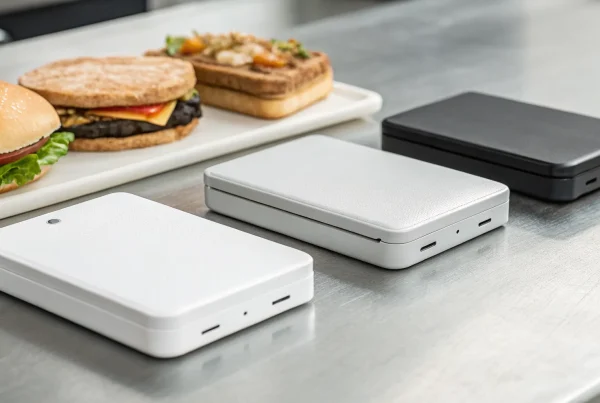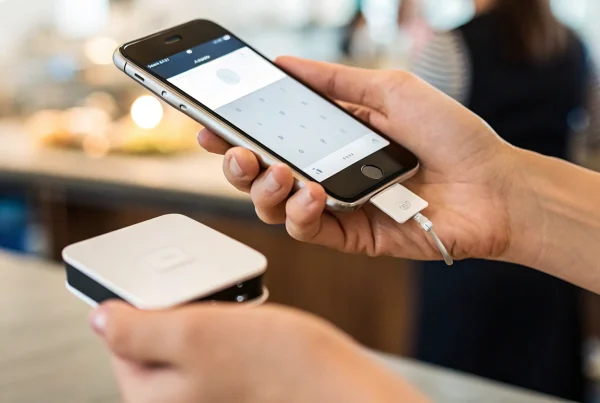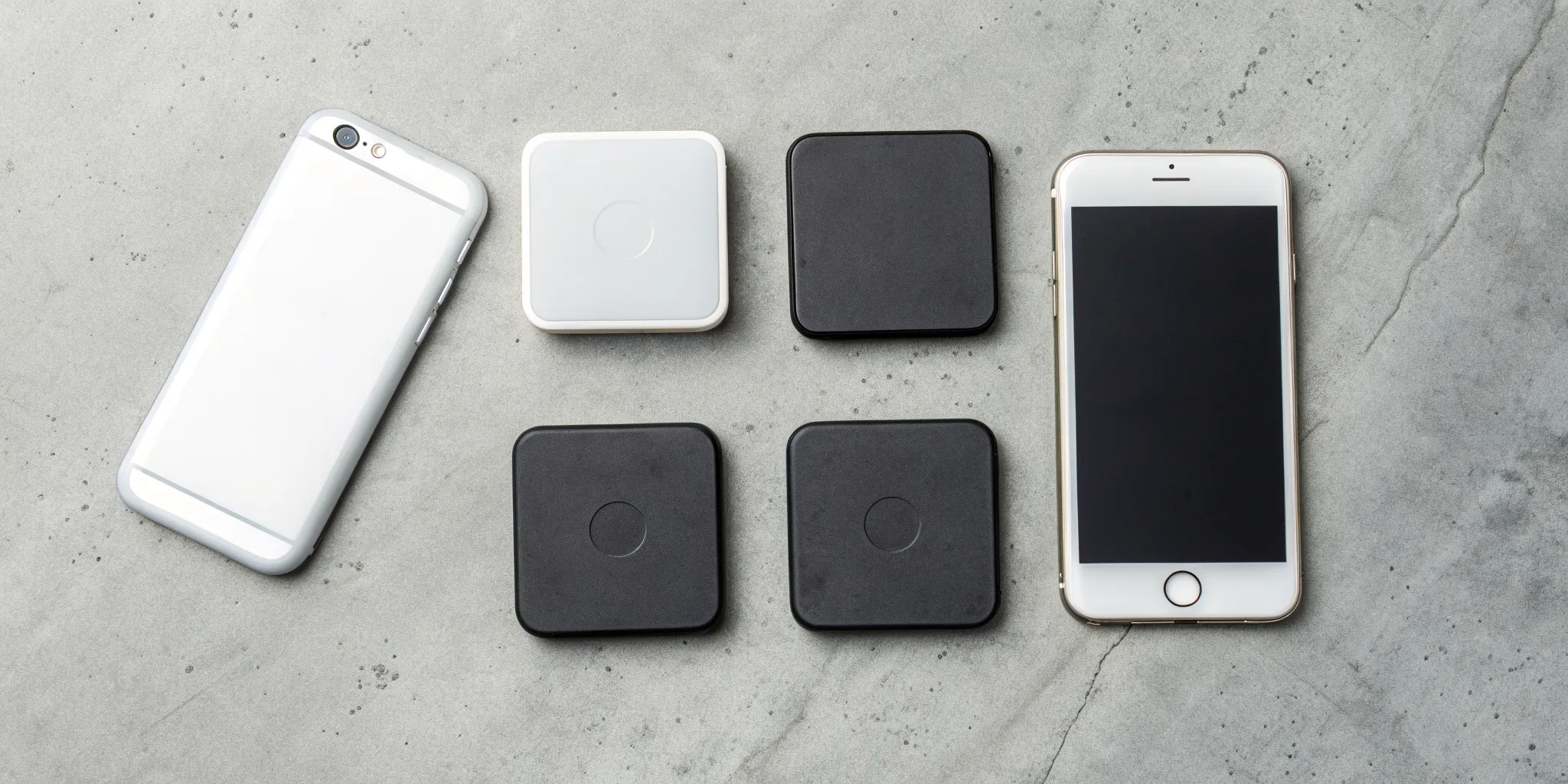
A mobile card reader is much more than just a tool for taking payments; it’s the operational hub for your business on the go. The best systems do more than just swipe, dip, and tap. They help you track inventory, manage customer information, and analyze sales data right from your phone. An offer for a free mobile credit card reader is your entry point into this powerful ecosystem. Choosing the right one isn’t just about processing transactions; it’s about selecting a platform that can streamline your workflow and provide the insights you need to grow. Let’s explore the features that matter most and find a solution that works as hard as you do.
Key Takeaways
- Calculate the real cost of a “free” reader: The true expense of a mobile reader is found in the transaction rates, monthly account fees, and potential contract penalties, not the initial hardware cost. Always review the full fee schedule to understand your long-term costs.
- Find a reader that fits your daily operations: The best device for your business depends on how you work. Look for specific features that solve your problems, like inventory management for retail, invoicing tools for services, or an offline mode for mobile sales.
- Prioritize security and reliable support: Protecting your customers’ data with strong encryption is essential for building trust. Equally important is choosing a provider with responsive customer support to help you solve problems quickly and avoid lost sales.
What is a mobile credit card reader?
Let’s start with the basics. A mobile credit card reader is a small, handheld device that connects to your smartphone or tablet, turning it into a portable point-of-sale (POS) system. Think of it as a pocket-sized terminal that lets you accept credit and debit card payments from anywhere, whether you’re at a farmers market, a client’s home, or your own pop-up shop.
These readers typically connect to your phone via Bluetooth and work with a dedicated mobile app. When a customer is ready to pay, you simply open the app, enter the transaction amount, and they can tap, dip, or swipe their card on the reader. It’s a simple and secure way to process payments on the go.
But a modern mobile reader is much more than just a payment tool; it can be the hub of your business operations. Most systems allow you to accept all major payment types, including EMV chip cards and contactless options like Apple Pay and Google Pay. The accompanying apps often include features for tracking sales, managing inventory, and even collecting customer information, giving you powerful business insights right from your phone. For new businesses and mobile entrepreneurs, it’s a reliable way to get paid quickly and professionally.
The Best Free Mobile Card Readers for Small Businesses
Finding the right mobile card reader often feels like a balancing act between hardware costs, transaction fees, and software features. While many companies advertise “free” readers, it’s important to look at the complete picture to find a solution that truly fits your business. The best choice for you will depend on your sales volume, the features you need, and the type of customer experience you want to provide. Let’s break down some of the top options available so you can make an informed choice.
MBNCard Mobile Solutions
If you’re looking for a tool that does more than just take payments, MBNCard is a fantastic choice. Our mobile card reader is designed to be a central hub for your business operations, making it perfect for new businesses, pop-up shops, and service providers on the go. It provides a reliable and secure way to accept payments anywhere, but its real strength lies in its ability to integrate with other business management tools. This approach helps you streamline your workflow, manage sales, and keep track of customer data all from one place, allowing you to focus more on growing your business and less on the tech that runs it.
Square Reader
Square is a household name for a reason. Its mobile credit card processing app is incredibly robust, essentially giving you a full-featured point-of-sale (POS) system for free. Beyond accepting payments, the software helps you track inventory, manage customer information, and run detailed sales reports. Your first Square Reader for Magstripe is free (additional readers are $10), which makes it extremely accessible for new businesses. Just keep in mind their processing fee, which is a flat rate for every swiped, dipped, or tapped transaction. For businesses that need powerful POS features without an upfront investment, Square is a top contender.
Clover Go
Clover Go is well-regarded for its powerful features that go beyond simple payment processing, making it a favorite among service-based businesses like salons, contractors, and consultants. The reader itself is compact and easy to use, pairing with a mobile app that offers advanced functions like customizable tip options, item-level tracking, and detailed reporting. While the reader typically costs $49 when purchased directly, many payment processors offer it for free through special promotions or as part of a merchant services package. If your business requires more sophisticated transaction management on the go, Clover Go is definitely worth a look.
SumUp Air
For new, small, or seasonal businesses, predictable costs are everything. SumUp shines with its transparent, flat-rate pricing and commitment to no monthly or annual fees. You only pay a straightforward percentage on the transactions you process, which is ideal if your sales volume fluctuates. This simple model removes the pressure of hitting monthly minimums or worrying about hidden account fees. The reader itself is an affordable one-time purchase, usually around $54. If you want a no-fuss, pay-as-you-go solution without being locked into a long-term contract, SumUp offers a refreshingly simple approach to mobile payments.
PayPal Zettle
If you already use PayPal for your business, the Zettle reader is a natural fit. It integrates smoothly with the PayPal ecosystem and its Point of Sale app, allowing you to manage all your funds in one place. The reader lets you process all major credit cards and contactless payments like Apple Pay and Google Pay. Your first reader comes at a low cost of just $29, and like many others on this list, there are no monthly service fees. For its ease of use, trusted brand name, and seamless PayPal integration, Zettle is a solid and reliable option for small businesses.
Key Features to Look for in a Mobile Reader
Choosing a mobile card reader isn’t just about finding one that’s “free.” The right device can streamline your sales process, protect your business, and even help you manage inventory. But with so many options out there, it’s easy to get overwhelmed. To make the best choice, you need to look past the price tag and focus on the features that will actually support your day-to-day operations. Think of it as hiring a new team member; you want someone reliable, versatile, and secure.
Before you commit, consider how you’ll be using the reader. Are you selling at a farmer’s market with spotty Wi-Fi? Do your customers prefer to pay with their phones? Do you need to track how many handmade soaps you have left in stock? The answers to these questions will guide you toward the perfect fit. A reader that works seamlessly for a coffee shop might be a poor choice for a freelance photographer. Let’s walk through the essential features to look for so you can find a reader that truly fits your business needs, from basic connectivity to advanced business management tools.
Device Compatibility & Connectivity
First things first: will the reader actually work with your phone or tablet? This might sound obvious, but it’s a critical first step. Check if the reader connects via a port your device has, like a Lightning port for iPhones or a USB-C for most modern Android devices. Some older readers might still use a 3.5mm headphone jack, which is becoming rare. Alternatively, many modern readers use Bluetooth to connect wirelessly, which offers more flexibility and avoids clutter. Before you order, double-check the reader’s specifications against your device to ensure a smooth setup process from day one. A great reader is useless if you can’t connect it.
Accepted Payment Types
To keep customers happy and sales flowing, you need to accept payments the way they want to pay. A reader that only swipes magnetic stripes is outdated and can leave your business liable for fraudulent charges. Look for a device that handles all modern payment methods. This includes EMV chip cards (the “dip”) and, most importantly, contactless payments (the “tap”). A reader with NFC (Near Field Communication) technology will allow you to accept tap-to-pay cards and digital wallets like Apple Pay, Google Pay, and Samsung Pay. Offering these options makes transactions faster and shows your customers that your business is up-to-date and secure.
Security and Fraud Protection
Protecting your customers’ payment information is non-negotiable. A reputable mobile reader should come with robust security features built-in. The most important feature is end-to-end encryption, which scrambles card data from the moment it’s captured until it reaches the payment processor. This makes the information unreadable to fraudsters. Beyond encryption, look for a provider that offers comprehensive fraud prevention tools and helps you manage payment disputes. This support can save you significant time and money if a chargeback occurs. Never compromise on security; it’s the foundation of trust between you and your customers.
Business Management Tools
The best mobile readers are more than just hardware; they are part of a larger ecosystem that helps you run your business. The accompanying mobile app should function as a powerful point-of-sale (POS) system. Look for software that lets you do more than just take payments. Essential features include inventory tracking to manage your stock levels, customer management tools to build a loyal client base, and detailed sales reporting to understand your business performance. These tools can transform a simple payment device into a central hub for your operations, giving you valuable insights to help you grow.
Offline Payment Processing
What happens when your internet connection drops? For mobile businesses like food trucks, market vendors, or on-site service providers, a spotty connection can bring sales to a halt. That’s where offline payment processing becomes a lifesaver. This feature allows you to accept card payments even without a Wi-Fi or cellular signal. The reader securely stores the transaction details and automatically processes them as soon as you reconnect to the internet. Just be aware that there’s usually a time limit to reconnect, often within 24 to 72 hours, to ensure the payment goes through. This feature provides peace of mind and ensures you never miss a sale due to bad reception.
What are the real costs behind “free” mobile readers?
That little word, “free,” is one of the most powerful in marketing. When you see an offer for a free mobile card reader, it’s tempting to jump on it. And why not? Getting started without any upfront hardware cost sounds like a great deal for a small business. But as most seasoned business owners know, “free” rarely means there are no costs involved.
Companies offering free hardware have to make money somewhere, and it’s usually by shifting the costs to other parts of their service. This isn’t necessarily a bad thing, but it’s something you need to be aware of to make an informed decision. The “free” reader might come with higher transaction fees, monthly account charges, or a long-term contract that’s expensive to break. Before you sign up, it’s smart to look past the initial offer and understand the complete fee structure. Let’s break down where the real costs are hiding so you can find a solution that’s truly affordable for your business in the long run.
Breaking Down Transaction Fees
The most common way providers cover the cost of a free reader is through transaction fees. Every time you process a payment, the company takes a small percentage of the sale, plus a fixed fee. For example, a common rate is around 2.6% + $0.10 per transaction. While that might not sound like much, it adds up quickly as your sales grow. If you process $5,000 in a month, you could be paying $135 or more in fees. It’s important to find out the exact rates for different types of payments, as keyed-in transactions often cost more than tapped or dipped cards. These per-transaction fees are the primary cost you’ll face.
Monthly Service and Account Fees
While many simple mobile processing plans don’t have monthly fees, some providers attach them to their “free” hardware offers. A company might waive the hardware cost but require you to sign up for a monthly software plan or charge an account maintenance fee. These fees can range from $10 to $50 or more, depending on the features included. Always read the terms and conditions carefully to see if there are any recurring charges. Some companies offer a basic, free plan but charge monthly for advanced features like invoicing or detailed analytics, so make sure the plan you choose aligns with your actual business needs.
Additional Hardware and Replacement Costs
The “free” offer usually only applies to the most basic hardware, like a simple magstripe reader. If you want to accept more secure chip cards (EMV) or contactless payments (NFC), you’ll likely have to pay for a more advanced reader. For instance, Square offers your first magstripe reader for free, but replacements or additional units cost $10 each. If you lose or damage your reader, you’ll also be on the hook for a replacement. Before committing, check the costs for any upgraded hardware you might need now or in the future, as well as the policy for replacing devices.
Hidden Fees to Watch For
Beyond transaction and monthly fees, there are other potential costs that can catch you by surprise. Some processors charge for things like chargebacks (when a customer disputes a charge), PCI compliance (to ensure you’re meeting security standards), or even account inactivity if you don’t process payments for a certain period. These hidden costs can turn a seemingly good deal into an expensive one. The best practice is to ask for a complete schedule of all potential fees before you sign up. A transparent provider will have no problem sharing this information with you.
Contract Terms and Early Termination Penalties
A free card reader can sometimes be the bait to get you into a long-term contract. Some providers require a one, two, or even three-year commitment in exchange for the hardware. If you decide to switch providers before the contract is up, you could face a hefty early termination fee (ETF), which can cost hundreds of dollars. Always look for a provider that offers month-to-month service with no cancellation fees. If you do consider a contract, make sure you understand the terms and what it will cost to get out of it. This is one of the most important contract details to verify.
How the Top Readers Compare on Fees and Features
Choosing a mobile card reader often feels like you’re just picking a small piece of plastic, but you’re actually choosing a financial partner for your business. While the hardware itself might be free, the real costs and benefits are found in the details: the transaction fees, the software features, and the support you receive when things go wrong. A tenth of a percent difference in fees might seem tiny, but it adds up to hundreds or even thousands of dollars over a year. It’s essential to look beyond the upfront offer and compare what you’ll actually pay for every swipe, dip, and tap.
Similarly, the software that powers your reader can be a simple payment gateway or a comprehensive business management tool. Some readers come with basic apps that do one thing: accept payments. Others integrate with powerful point-of-sale (POS) systems that help you track inventory, manage customer relationships, and run detailed sales reports. The right features can save you time and provide insights to grow your business. Finally, don’t overlook customer support. When your reader stops working during a busy sales event, you need fast, effective help. The quality of support can be the deciding factor that keeps your business running smoothly.
Comparing Fees by Transaction Type
The most significant ongoing cost of any card reader is the transaction fee. These fees are typically a percentage of the sale plus a small fixed amount. For example, Square charges 2.6% + $0.10 for in-person transactions, while PayPal Zettle is slightly lower at 2.29% + $0.09. These rates apply to “card-present” transactions, where the customer physically swipes, dips, or taps their card. Rates for online or manually keyed-in sales are always higher because the risk of fraud is greater. It’s important to understand your own sales patterns. A business with many small transactions might save more with a lower fixed fee, while a business with larger sales will benefit more from a lower percentage rate.
Comparing Basic vs. Advanced Features
What happens after the swipe is just as important as the transaction itself. Some readers, like SumUp, focus on providing a simple, streamlined payment experience. Others offer a suite of tools to help you run your entire operation. Square, for instance, provides a robust app that includes inventory tracking, customer directories, and sales analytics right out of the box. Clover Go is also known for its advanced features, making it a great fit for service-based businesses that need to manage appointments and invoices. Most modern readers accept tap-to-pay and digital wallets like Apple Pay, which is a must-have for meeting customer expectations and speeding up checkout lines.
Customer Support Quality and Availability
When your payment system goes down, every minute of downtime can mean lost sales and frustrated customers. This is where a reliable customer support team becomes invaluable. The level of support varies significantly among providers. Some offer 24/7 phone support with real people, while others may limit you to email tickets or online knowledge bases. Before you commit to a provider, do some research. Read reviews that specifically mention customer service experiences. Finding a partner with accessible and helpful merchant support can make all the difference when you’re facing a technical issue during your busiest hours. It’s a feature that’s easy to ignore until you desperately need it.
Finding the Right Reader for Your Business Type
The perfect mobile card reader for a coffee shop isn’t necessarily the best one for a freelance photographer. Your business model dictates what you need from a payment processor, so choosing the right device means looking beyond the transaction fees. It’s about finding a tool that fits seamlessly into your daily operations and supports your growth. Before you commit, think about your workflow. Do you need to track detailed inventory across multiple locations? Send professional invoices from your phone? Or do you just need a simple, bulletproof way to take payments at a weekend market?
A modern mobile card reader can be much more than a simple payment terminal; for many businesses, it’s the central hub of their operations. It’s a fantastic starting point for new businesses, pop-up shops, and service providers who need a simple, reliable way to take payments anywhere. The right reader won’t just process transactions; it will provide you with valuable sales data, help you manage customer relationships, and streamline your bookkeeping. Getting this choice right from the start saves you from the future headache of outgrowing your system and having to switch. Let’s break down which features matter most for different types of businesses so you can find the reader that truly fits your needs.
For Retail and Brick-and-Mortar Stores
If you run a physical shop, your needs go far beyond just swiping a card. You’re managing inventory, tracking sales trends, and building a customer base. Look for a mobile reader that integrates with a full-featured point-of-sale (POS) system. For example, some of the best mobile credit card processors offer apps that do more than just accept payments; they include software to track stock levels, manage customer information, and run detailed sales reports. This turns your reader from a simple tool into the command center for your entire store, helping you make smarter business decisions.
For Service-Based Businesses
For consultants, contractors, stylists, and other service professionals, flexibility is key. You might be taking a payment at a client’s office, in your studio, or on the go. A reader like Clover Go is popular with service businesses because it offers robust features that go beyond basic payment acceptance. You’ll want a system that lets you create and send invoices, securely store customer card information for recurring billing, and maybe even manage appointments. These features not only make your life easier but also present a more professional image to your clients.
For Food Trucks and Mobile Vendors
When your business is on wheels, you need a reader that’s as mobile as you are. For food trucks, market stalls, and other mobile vendors, the most important features are reliability, speed, and portability. Look for a compact reader with a long battery life that can handle a fast-paced environment. Strong connectivity is a must, but you should also prioritize a reader with an offline mode. This feature allows you to continue accepting card payments even when your internet connection is weak or unavailable, ensuring you never miss a sale at a busy festival or remote location.
For Online and E-commerce Integration
Do you sell products both online and in person at pop-ups or events? If so, you need a reader that can unify your sales channels. A system that integrates your e-commerce platform with your in-person sales is a game-changer. This allows you to accept payments across your website, on social media, and at physical locations using a single system. More importantly, it syncs your inventory and sales data automatically. This means you won’t accidentally sell an item online that you just sold at a market, saving you from logistical headaches and keeping your customers happy.
What Real Users Are Saying
Marketing materials can tell you a lot, but nothing beats hearing from people who are actually using the product every day. Sifting through customer reviews gives you a clear picture of what it’s like to rely on a specific mobile card reader for your business. It helps you see beyond the promises and understand the real-world performance, from ease of use to the quality of customer support. Let’s look at what business owners like you are saying about the most popular options on the market.
What Users Love
When a mobile reader works well, it can feel like a seamless extension of your business. Users often praise Square for its comprehensive POS software that does more than just take payments; it helps track inventory and manage customer information. For new or seasonal businesses, SumUp gets high marks for its transparent, flat-rate pricing with no monthly fees, so you only pay for what you use. Meanwhile, Clover Go is frequently recommended for its robust features that are a great fit for service-based businesses needing more than just a basic payment tool. These positive reviews often highlight simplicity, reliability, and features that genuinely make running a business easier.
Common User Complaints
On the flip side, some common frustrations appear across different brands. While many companies advertise a free basic reader, users often find that the modern readers needed for chip and contactless payments come with a price tag. Another frequent pain point is customer support. Many reviews mention long wait times and difficulty getting helpful answers when technical issues arise. Some users also report that the setup process for certain readers can be more complex than advertised, causing delays in getting their system up and running. These complaints underscore the importance of looking for a provider known for clear pricing and responsive service.
Red Flags to Watch For in Reviews
As you read reviews, keep an eye out for a few key red flags. Be cautious if a company heavily promotes a “free” reader, as this can sometimes signal that there are hidden costs buried in the contract, like higher transaction rates or long-term commitments. Pay close attention to any mentions of unexpected fees or difficulties canceling a service. These comments can indicate a lack of transparency from the provider, which could lead to major headaches down the road. A pattern of these types of complaints is a strong signal to consider other options.
How to Set Up Your Mobile Card Reader
Getting your new mobile card reader up and running is usually a quick process. Once you’ve chosen the right device for your business, you’re just a few simple steps away from accepting payments anywhere. Let’s walk through exactly what you need to do to get set up so you can start making sales.
Register and Get Approved
Before you can swipe your first card, you’ll need to sign up with your chosen payment processor. This usually means filling out an online form with some basic details about your business. Think of it like opening any other business account. Once you submit your information, the provider will review it for approval. This can be almost instant, but sometimes it might take a day or two. It’s a standard step to ensure everything is secure for both you and your customers. Having your business information handy will make this part a breeze.
Pair Your Device
Once your account is approved, it’s time to connect your reader to your smartphone or tablet. Start by heading to your device’s app store and downloading the processor’s mobile app. After you install it and log in, the app will walk you through the pairing process. Most readers connect wirelessly using Bluetooth, so make sure it’s turned on. Just follow the on-screen prompts, and your reader and phone will be talking to each other in no time. It’s designed to be user-friendly, so you don’t need to be a tech expert to get it done.
Run a Test Transaction
With your reader paired, there’s one last check to perform before you start processing customer payments: a test transaction. This is a simple but important step to confirm that your setup is working perfectly. Just ring up a small amount, like a dollar, and pay with your own credit or debit card. Watch the transaction go through the app and wait for the confirmation message. This quick test gives you peace of mind that you’re ready for your next sale and helps you get familiar with the payment flow before a customer is waiting.
Common Problems to Watch Out For
Mobile card readers are fantastic tools, but like any technology, they aren’t perfect. Knowing what to expect can save you a lot of headaches down the road. When you’re processing payments on the go, you might run into a few bumps. Being prepared for these common issues helps you handle them smoothly, keep your customers happy, and ensure you never miss a sale. Let’s walk through the most frequent problems and how you can get ahead of them.
Connectivity and Technical Glitches
Your mobile reader needs a stable internet connection to process payments, either through Wi-Fi or your phone’s cellular data. If you’re at a crowded market or in a building with spotty service, you might face frustrating glitches or delays. As one small business resource points out, connectivity is a common hurdle for mobile payments. Before you head out, test your connection. If you know you’ll be in a low-signal area, consider bringing a mobile hotspot as a backup. Better yet, choose a reader with a reliable offline mode that can securely store transaction data and process it once you’re back online. This simple foresight can be a lifesaver during a busy sales day.
Failed Transactions
There’s nothing more awkward than a customer’s card being declined when it’s actually your reader that’s the problem. Failed transactions can happen for many reasons, from a poor connection to a simple card-read error. When this occurs, it can lead to lost sales and leave a customer with a bad impression of your business. The key is to stay calm and have a plan. First, try running the card again. If it still fails, politely ask for an alternative payment method. If you notice it happening frequently, it’s time to contact your provider’s support team. A good processor will help you troubleshoot whether the issue is with the hardware, software, or connection.
Security Risks and Data Protection
When you accept card payments, you’re handling sensitive customer information, and protecting that data is your responsibility. While reputable providers build their readers with strong security features like encryption and tokenization, you still play a crucial role. It’s vital to keep your reader’s software and your point-of-sale app updated to get the latest security patches. Always use strong, unique passwords for your merchant account. Partnering with a provider that prioritizes data protection and maintains PCI compliance is non-negotiable. This not only protects your business from liability but also builds essential trust with your customers, assuring them their information is safe with you.
Related Articles
Frequently Asked Questions
Is a “free” reader actually the most affordable choice in the long run? Not always. While a free reader eliminates the upfront hardware cost, the real expense comes from transaction fees. A provider might offer free hardware but charge a higher percentage on every sale. Over time, those higher fees can easily cost you more than buying a reader outright from a provider with lower rates. It’s smart to estimate your monthly sales volume and calculate what you’d pay in fees with different providers to see the true cost.
What’s the single most important feature to look for if I’m just starting out? If you have to prioritize one thing, make it the ability to accept modern, secure payments. This means your reader must handle both EMV chip cards (the “dip”) and contactless payments like Apple Pay (the “tap”). Accepting only the old magnetic stripe not only looks outdated to customers but can also make you liable for fraudulent charges. Starting with a secure, up-to-date reader protects your business and builds trust from day one.
How quickly will I receive the money from my sales? This depends entirely on your payment processor. Most providers deposit funds into your bank account within one to three business days. Some, like Square, offer an instant transfer option that sends the money to your debit card within minutes for a small additional fee. When you’re comparing options, be sure to check the standard deposit schedule, as faster funding can make a big difference for your business’s cash flow.
What should I do if a customer’s card is declined but they say it should work? This can be an awkward moment, but it’s usually a simple technical issue. First, check your own connection to make sure your phone has a stable Wi-Fi or cellular signal. If the connection is good, try running the card one more time. If it fails again, you can politely explain that the terminal is having trouble reading the card and ask if they have another form of payment. Staying calm and professional keeps the situation from becoming uncomfortable.
Can I use the same system for in-person and online sales? Yes, many modern payment systems are designed to do exactly that. Providers like Square and PayPal Zettle offer solutions that integrate your in-person sales with your e-commerce store. This is incredibly helpful because it syncs your inventory and sales data in one place. When you sell an item at a market, your online store’s inventory updates automatically, which helps you avoid accidentally selling the same product twice.