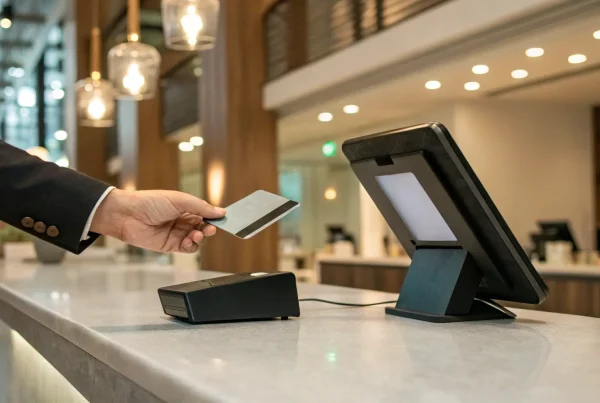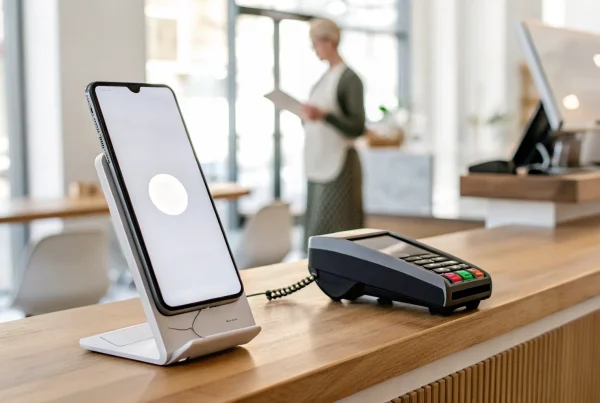
When you hear the term “merchant services,” you might picture a simple credit card terminal sitting on a countertop. But the reality is so much bigger. It’s a complete ecosystem of tools designed to help you manage sales, protect customer data, and streamline your entire operation. This system includes everything from your physical point-of-sale setup to the online payment gateway that keeps your e-commerce store running. We will explore different merchant services examples to show you how these components work together. This guide will walk you through everything you need to know, helping you build a payment infrastructure that not only processes transactions but also supports your business’s growth.
Key Takeaways
- Think of Merchant Services as Your Payment Operations Hub: They are the essential tools and financial partnerships that securely handle every non-cash transaction, from a customer’s card swipe to the money landing in your bank account.
- Look for a Partner, Not Just a Processor: The right provider offers transparent pricing, but true value comes from their commitment to security, seamless integration with your existing software, and responsive customer support.
- Tailor Your Tools to Your Sales Environment: The best payment solution is not one-size-fits-all. Your specific needs—whether you run a physical storefront, an online shop, or a mobile business—should dictate the tools you choose.
What Are Merchant Services (And Why Your Business Needs Them)
If you’ve ever wondered how a customer’s card swipe or online checkout click turns into money in your bank account, you’re thinking about merchant services. Simply put, merchant services are the combination of tools, software, and financial services that allow a business to accept and process electronic payments. This includes everything from credit and debit cards to mobile wallets and online transactions.
For any business that wants to accept payments beyond cash, having a reliable merchant services provider isn’t just a nice-to-have—it’s essential. They are the invisible link between your customer, their bank, and your business bank account, ensuring every transaction is smooth, secure, and successful.
What They Do: The Core Functions
At its heart, a merchant services provider gives your business the ability to accept electronic payments. Think of it as your complete payment toolkit. This includes the physical hardware, like a credit card terminal or a full point-of-sale (POS) system for your storefront, that lets you take payments in person. It also covers the digital side of things, such as online payment gateways that power your e-commerce website’s checkout page.
Beyond just processing payments, these services often include features like mobile payment processing for when you’re on the go, digital invoicing, and even tools for setting up recurring billing or loyalty programs. The goal is to provide everything you need to manage transactions wherever you do business.
How They Help Your Business Run Smoother
The right merchant services do more than just move money—they make your entire operation more efficient and secure. First, they give your customers the flexibility to pay how they want, whether that’s with a credit card, a tap of their phone, or an online payment. This convenience can lead to more sales and happier customers.
Behind the scenes, your provider works to protect your business and your customers from fraud. They ensure your payment processing is secure and meets industry standards, like PCI compliance, which is crucial for safeguarding sensitive payment data. They also provide detailed reporting on your sales and transactions, giving you valuable insights into your business performance. Ultimately, this all leads to more stable cash flow and quicker access to your hard-earned money.
Explore the Types of Merchant Services
Merchant services aren’t a single, one-size-fits-all product. Instead, think of them as a toolkit designed to help you accept payments, manage sales, and run your business more effectively. Depending on whether you sell online, in a physical store, or on the go, you’ll mix and match different services to create the perfect setup for your needs. Let’s look at the most common tools you’ll find in your kit.
Credit and Debit Card Processing
At its core, this is the fundamental service that allows you to accept credit and debit card payments from your customers. Whether a customer taps their card at your counter, inserts a chip, or types their card number into your website, a payment processor makes the transaction happen securely. This is a non-negotiable for most businesses today, as it opens your doors to more customers and makes buying from you incredibly convenient. Having a reliable way to handle card payments is the first step to streamlining your sales and looking professional.
Point-of-Sale (POS) Systems
Think of a Point-of-Sale (POS) system as your modern-day cash register, but with superpowers. It’s the hardware and software combination you use to ring up sales and accept payments in person. But a good POS system does so much more than that. It can track your inventory, manage customer information, run sales reports, and even help you manage your staff schedules. It becomes the central command center for your retail or restaurant operations, giving you valuable data to make smarter business decisions and keep everything running smoothly.
Mobile and On-the-Go Payments
If your business doesn’t stay in one place, your payment system shouldn’t have to, either. Mobile payment solutions let you accept credit cards anywhere using your smartphone or tablet. This is a game-changer for businesses like food trucks, freelance photographers, plumbers, or anyone selling at farmers’ markets and craft fairs. By using a small card reader that connects to your device, you can process payments on the spot. This flexibility means you never have to miss a sale just because a customer doesn’t have cash on hand, making it easier to get paid wherever your work takes you.
Online Payment Gateways
For any business selling online, a payment gateway is an absolute must. It’s the technology that works behind the scenes on your website to securely capture and transmit customer payment information to the processor. Think of it as the digital version of a POS terminal. It encrypts sensitive data like credit card numbers, protecting both you and your customer from fraud. A reliable online payment gateway is key to building trust with online shoppers and ensuring your e-commerce checkout process is both safe and seamless.
Beyond the Basics: Other Helpful Tools
Once you have the essentials covered, you can add other services to help you grow. Loyalty programs, for example, let you reward repeat customers and keep them coming back. You can also offer gift cards, which are a great way to bring in new customers and secure future sales. On the security side, robust fraud prevention tools are critical for protecting your business from suspicious transactions. These tools help you maintain PCI compliance and give you peace of mind, so you can focus on what you do best—running your business.
How Do Merchant Services Actually Work?
It might seem like magic when a customer’s card is approved in seconds, but there’s a clear, lightning-fast process happening behind the scenes. Your merchant services provider acts as the essential link between your customer’s bank and your business account, managing the entire transaction from start to finish. They handle the technology, security, and financial communications so you can focus on what you do best—running your business. Think of them as your financial translator, ensuring every payment is communicated securely and deposited correctly. Let’s break down exactly what happens every time you make a sale.
From Swipe to Deposit: The Payment Journey
When a customer pays with a card, your POS system or card reader instantly captures their information and sends it through the payment network. Your merchant service provider routes this request to the customer’s bank to verify they have enough funds. In just a few seconds, the bank sends back an approval or decline message. Once approved, the provider facilitates the transfer of funds, which are then deposited into your business bank account, usually within one to two business days. This entire credit card processing cycle happens seamlessly in the background of every transaction.
Keeping Your Payments Safe and Secure
One of the most critical jobs of a merchant services provider is protecting sensitive data. They are responsible for ensuring every transaction is encrypted and secure, which helps protect both you and your customers from fraud. This includes maintaining PCI compliance, a set of security standards designed to protect cardholder data. By handling these complex security requirements, your provider takes a huge weight off your shoulders, giving you peace of mind that your payment environment is safe and that you’re meeting industry regulations without having to become a security expert yourself.
Connecting with Your Existing Tools
Modern merchant services do more than just process payments; they integrate with the other tools you use to run your business. A great provider can connect your payment system directly to your accounting software, inventory management, or customer relationship management (CRM) platform. This means sales data can automatically sync, saving you hours of manual data entry and reducing the risk of errors. This system integration streamlines your operations, giving you a clearer, real-time view of your business performance all in one place.
A Look at Top Merchant Services Providers
Choosing a merchant services provider can feel like a huge decision, and with so many options out there, it’s easy to get overwhelmed. The truth is, the “best” provider really depends on your specific business needs. Are you running a bustling coffee shop, an online boutique, or a service business on the go? Each has different priorities, whether it’s fast in-person transactions, seamless e-commerce integration, or low processing fees.
To help you get a clearer picture, let’s walk through some of the most popular providers in the industry. We’ll look at what makes each one unique, who they’re best suited for, and what you can expect in terms of their core offerings. Think of this as your starting point for finding a partner who not only processes your payments but also supports your growth. The goal is to find a provider that fits your workflow, helps you save money, and makes getting paid the easiest part of your day.
MBNCard
MBNCard is built for small and mid-sized business owners who are tired of confusing statements and hidden fees. The focus here is on transparent, affordable payment processing with a personal touch. We believe that merchant credit card services should be a tool for growth, not a source of frustration. With programs like dual pricing and cash discounts, MBNCard helps merchants directly lower their processing costs. This approach is ideal for business owners who want a straightforward partnership, reliable support, and clear savings that make a real difference to their bottom line.
Square
You’ve probably seen Square’s little white card readers at farmers’ markets and local cafes. Square is known for its incredibly easy-to-use hardware and software, making it a fantastic choice for new businesses, mobile vendors, and anyone who needs a simple, all-in-one setup. Their pricing is typically a flat rate, like 2.6% + 10¢ for tapped, dipped, or swiped payments, which makes it predictable. If you want to get up and running quickly without a complicated application process, Square offers a streamlined solution for both in-person and online sales.
PayPal
PayPal is one of the most recognized names in online payments, and that brand recognition is its biggest strength. When customers see the PayPal button at checkout, they know it’s a secure and familiar option. This can be especially helpful for new online stores trying to build trust with shoppers. PayPal is easy to integrate into most e-commerce platforms and doesn’t usually charge a monthly fee for its standard services. It’s a solid choice for businesses that want to offer customers a trusted, alternative way to pay online.
Stripe
Stripe is a powerhouse for online businesses, especially those with a global customer base or a need for custom payment solutions. It’s known for its robust, developer-friendly platform that can handle everything from simple online checkouts to complex subscription billing and marketplace payments. Stripe is designed to accept payments from many countries and currencies, making it ideal for e-commerce brands looking to scale internationally. If your business is primarily online and you want flexibility and powerful tools, Stripe is a top contender.
Shopify Payments
If you run your business on the Shopify platform, using Shopify Payments is almost always the best choice. Because it’s built directly into Shopify, it offers a completely seamless experience for both you and your customers. You can manage everything—from sales to payments to inventory—all in one place. The biggest advantage is that Shopify waives its own platform transaction fees (which typically range from 0.5% to 2%) when you use Shopify Payments. This integration simplifies your operations and can save you a significant amount of money.
Merchant Services for Every Business Type
Your business isn’t one-size-fits-all, and your payment processing shouldn’t be either. The right merchant services depend entirely on how you operate—whether you’re running a busy storefront, a bustling restaurant, an online shop, or a service business on the move. Let’s break down the essential tools for each type of business so you can find the perfect fit for how you sell.
Retail and In-Person Shops
If you run a retail store, your checkout counter is the heart of your operation. This is where a modern Point-of-Sale (POS) system becomes your best friend. Think of it as a supercharged cash register that not only processes credit card and mobile payments but also helps you manage your business. A good POS system can track sales, monitor inventory levels so you know when to reorder, and provide valuable data on your best-selling products. It streamlines every transaction, making checkout faster for your customers and inventory management simpler for you.
Restaurants and Cafes
For restaurants, speed and reliability are everything, especially during the lunch or dinner rush. You need dependable credit card processing that handles payments quickly, whether customers are paying at the table, the counter, or online for a takeout order. Beyond just taking payments, many merchant services offer tools to build customer loyalty. You can easily implement digital loyalty programs that reward repeat customers with points or discounts, giving them a great reason to come back for another meal. This helps turn first-time visitors into regulars who feel appreciated.
E-commerce and Online Brands
Selling online requires a secure and seamless way to accept payments on your website. This is where a payment gateway comes in. It’s the technology that works behind the scenes to securely capture customer payment information and process the transaction. A reliable payment gateway integrates directly with your e-commerce platform, ensuring a smooth checkout experience that builds trust with your customers. It protects sensitive data and makes it easy for shoppers to buy from you, which is essential for turning website visitors into paying customers.
Service-Based and Mobile Professionals
If your business takes you on the road—whether you’re a plumber, a personal trainer, or a vendor at a local market—you need a way to accept payments anywhere. Mobile payment systems turn your smartphone or tablet into a portable card reader, allowing you to process transactions on the spot. For professionals who take payments over the phone or through mailed invoices, a virtual terminal is a perfect solution. It lets you securely enter your customer’s card information into a web-based portal from any computer, giving you the flexibility to get paid no matter where you are.
How to Choose the Right Merchant Services Provider
Picking a merchant services provider feels like a huge decision, because it is. This partner will handle your hard-earned money, interact with your customers, and connect with your other business systems. The right choice can make your operations smoother and more profitable, while the wrong one can lead to headaches and hidden costs. To help you make a confident decision, let’s walk through the four key areas you need to examine before signing on the dotted line.
Transparent Pricing and Fee Structures
First things first: let’s talk about money. You need to know exactly what you’ll be paying for. A trustworthy provider will be upfront about their pricing, but fee structures can be confusing. You’ll see different models, from flat-rate pricing to more complex tiered or interchange-plus plans. Don’t be afraid to ask for a complete breakdown of every single fee, including transaction rates, monthly charges, and any one-time setup costs. A clear and predictable fee structure is a sign of a good partner. Look for a provider who is happy to explain their pricing and help you find the most cost-effective solution for your business.
Must-Have Security and Fraud Protection
In the world of payments, security is everything. Your merchant services provider is your first line of defense in protecting your business and your customers’ sensitive data. At a minimum, any provider you consider must be PCI DSS compliant. This is the industry-wide standard for ensuring cardholder data is handled securely. Beyond that, look for advanced fraud protection tools like encryption and tokenization, which help make payment information useless to fraudsters. Choosing a provider that prioritizes security isn’t just about following rules; it’s about building trust with your customers and protecting your business’s reputation.
Seamless Integration Capabilities
Your payment processor shouldn’t operate on an island. For your business to run efficiently, your payment system needs to communicate with the other tools you rely on every day. Before you commit, check if the provider’s services can integrate easily with your existing software. Think about your accounting platform (like QuickBooks), your inventory management system, or your customer relationship management (CRM) software. A seamless integration means less manual data entry, fewer errors, and a clearer picture of your business performance. It saves you time and helps you make smarter decisions based on accurate, connected data.
Reliable Customer Support When You Need It
When your payment system has an issue, you can’t afford to wait. A terminal could go down during your busiest hour, or you might have a question about a deposit. This is when the quality of your provider’s customer support truly matters. Before you sign up, do a little digging. Read online reviews to see what other business owners say about their support experience. Find out their hours of operation and how you can reach them—is there a real person you can talk to on the phone? Responsive, knowledgeable, and accessible support can be the difference between a minor hiccup and a major sales-stopping problem.
Understanding Merchant Services Fees
Let’s talk about the part that makes most business owners nervous: the fees. Merchant services pricing can feel complex, but it doesn’t have to be a mystery. When you know what to look for, you can easily compare providers and find a partner who offers real value without surprise charges. Think of these fees as the cost of providing your customers with secure and convenient ways to pay. The goal is to find a structure that fits your business model and sales volume.
Most merchant services costs fall into three main categories: transaction rates, monthly fees, and incidental fees. Transaction rates are what you pay on each sale, while monthly fees are fixed costs for maintaining your account. Incidental fees are less frequent charges that might pop up for specific events, like a customer dispute. A transparent provider will walk you through all of these costs upfront. Don’t be afraid to ask for a complete fee schedule so you can see every potential charge in black and white. Understanding these costs is the first step to finding a payment solution that helps your business grow, not one that eats into your profits.
Common Transaction and Processing Rates
Every time a customer pays with a card, a small percentage of that sale goes toward processing the payment. This is your transaction rate. Typically, you can expect this fee to be somewhere between 1.5% and 3.5% of the total transaction amount. The exact rate often depends on the type of card used (debit, credit, rewards), the brand (Visa, Mastercard), and whether the payment is made in person or online. These fees cover the costs charged by the card networks and banks involved in the transaction. Some providers offer a simple flat rate for all transactions, while others have more detailed pricing models. The key is to understand which model works best for your average sale amount and volume.
Monthly and Equipment Costs
Beyond per-transaction fees, most merchant service providers charge a fixed monthly fee. This is essentially an account maintenance or statement fee, and it usually falls in the $10 to $50 range. This cost covers services like customer support, reporting, and keeping your account in good standing. You’ll also want to consider equipment costs. If you need a physical point-of-sale (POS) system or a credit card reader, you might have the option to buy it outright or lease it for a monthly fee. Be sure to clarify these costs, as they are a key part of your overall payment processing budget. Some providers may even offer free equipment to get you started.
Watch Out for These Hidden Fees
This is where it pays to be careful. The best providers are upfront about their pricing, but some try to hide extra charges in the fine print. When comparing your options, it’s crucial to be vigilant about hidden costs that can quickly add up. Ask specifically about setup fees for opening your account, annual fees, and minimum processing fees if you don’t meet a certain sales volume. You should also be aware of chargeback fees, which are applied when a customer disputes a transaction, and early termination fees if you decide to close your account before the contract is up. Always request a full fee schedule and read your agreement thoroughly to ensure there are no surprises.
Common Challenges with Merchant Services (And How to Solve Them)
Choosing a merchant services provider is a huge step, but it’s not always a walk in the park. Many business owners run into the same roadblocks, from confusing setups to messy sales data. The good news is that these challenges are completely solvable when you know what to look for. A great payment partner won’t just process your transactions—they’ll help you clear these hurdles so you can focus on what you do best: running your business. Let’s look at a few common issues and how to handle them.
Simplifying the Setup Process
Getting your payment system up and running shouldn’t require a degree in computer science. Yet, many business owners find themselves tangled in a web of complicated steps and technical jargon. The complexity of integrating multiple systems, like your POS, e-commerce store, and accounting software, can be a major time drain.
The solution is to find a provider that prioritizes a simple, streamlined onboarding process. Look for partners who offer all-in-one solutions or have pre-built integrations with the tools you already use. The best providers offer clear guidance and hands-on support to get you set up quickly, ensuring all your systems communicate seamlessly from day one.
Addressing Data Security Concerns
Nothing is more important than your customers’ trust, and protecting their payment information is a huge part of that. With the constant threat of data breaches, ensuring the security of your transaction data is non-negotiable. A single security incident can seriously damage your reputation and your bottom line.
Your merchant services provider should be your first line of defense. Prioritize partners who are fully PCI compliant and use advanced security measures like end-to-end encryption and tokenization. These technologies protect sensitive card data from the moment of sale through the entire transaction process. A provider that takes security seriously gives you—and your customers—total peace of mind.
Handling Recurring Payments
Subscription boxes, memberships, and recurring services are fantastic for creating predictable revenue. However, managing these payments can become a headache if your system isn’t up to the task. These challenges often stem from outdated systems that can’t handle failed payments gracefully or make it difficult for customers to update their card information, leading to lost sales and frustrated customers.
To solve this, look for a provider with a robust recurring billing feature. A good system will automatically retry failed transactions, send notifications to customers about expiring cards, and provide a secure portal for them to manage their payment methods. This automates a critical part of your business, reduces churn, and keeps your recurring revenue flowing smoothly.
Keeping Your Sales Data in One Place
Are you tired of pulling reports from three different places just to figure out your daily sales? When your payment data is scattered across your POS system, online store, and mobile reader, getting a clear view of your business performance is nearly impossible. This fragmented data landscape makes it tough to track trends, reconcile your books, and make informed decisions.
The fix is a provider that offers a unified reporting dashboard. Imagine logging into one place to see all your transaction data—from every sales channel—in real time. You can track sales volume, monitor deposits, and analyze customer behavior without juggling spreadsheets. This centralized approach saves you time and gives you the clear, actionable insights you need to grow.
Key Features to Look For in a Provider
Choosing a merchant services provider is a lot like hiring a key team member. This partner will handle your money, interact with your customers at the point of sale, and give you data to help you grow. With so many options out there, it’s easy to feel overwhelmed. But when you know what to look for, you can cut through the noise and find a provider that truly supports your business goals.
The best providers do more than just process payments. They offer a suite of tools that make running your business easier, from giving your customers more ways to pay to providing clear insights into your sales. Think about your daily operations and your long-term vision. You need a partner who can keep up with your needs as you grow. Let’s walk through the four essential features that separate an average provider from a great one.
Flexible Payment Options
Your customers expect convenience, and a huge part of that is letting them pay how they want. If someone walks in ready to tap their phone and you can only take chip cards, you risk creating friction or even losing the sale. A great merchant services provider equips you to accept a wide range of payments seamlessly. This includes all major credit and debit cards, of course, but also modern methods like digital wallets (think Apple Pay and Google Pay) and other contactless payments. This flexibility shows your customers that you’re current and makes the checkout process smooth and fast for everyone.
Clear Reporting and Analytics
How can you make smart decisions for your business if you don’t have good data? Your merchant services provider should offer more than just a list of transactions. Look for a partner that provides clear, easy-to-understand reports on your sales. You should be able to quickly see your daily totals, identify your busiest hours, and track sales trends over time. Many modern Point-of-Sale (POS) systems integrate this reporting directly, giving you a command center for your business. This information is invaluable for everything from managing staff schedules to planning your next big promotion.
Tools to Manage Your Cash Flow
Getting paid is one thing; managing that money effectively is another. A top-tier provider understands that consistent cash flow is the lifeblood of a small business. One of the most important features to look for is fast funding. Waiting several days for your money to hit the bank can be a major headache, so prioritize providers that offer next-day or even same-day deposits. Beyond that, look for tools that simplify your financial operations, like a virtual terminal for taking payments over the phone or seamless integration with your accounting software. These features help you maintain a healthy and predictable financial rhythm.
Access to Quality Customer Support
When your payment system goes down, your business comes to a halt. In those stressful moments, you need to know you can get a real, helpful person on the phone immediately. Before you sign any contract, do some research on the provider’s customer support. Check reviews from other business owners and see what they say about response times and problem resolution. The best providers offer 24/7 support from knowledgeable experts who can quickly troubleshoot issues and get you back to business. Don’t underestimate the value of this peace of mind—it’s absolutely essential.
Related Articles
- 5 Best Portable Credit Card Machines for Small Business
- 6 Best Credit Card Readers for Android (2025)
- How to Accept Credit Card Payments Online for Free
- Credit Card Processors for Small Business | MBN Card Services
Frequently Asked Questions
How much should I really expect to pay for merchant services? While there’s no single price tag, your costs will generally fall into two buckets: a small percentage of each transaction (usually 1.5% to 3.5%) and a fixed monthly fee for account maintenance. The most important thing is to find a provider who is completely transparent about their pricing. Don’t hesitate to ask for a full fee schedule to make sure you won’t be surprised by hidden charges like setup costs or early termination fees.
What’s the difference between a merchant services provider and a payment processor? Think of it this way: a payment processor is the engine that securely moves money from your customer’s bank to yours. A merchant services provider is the entire car. They give you the engine, but also the hardware like POS systems, the software for reporting, the security features to keep you safe, and the customer support you need when you hit a bump in the road. A provider offers the complete package to manage your payments.
Do I really need to worry about PCI compliance myself? While you are ultimately responsible for protecting your customers’ data, a great merchant services provider does most of the heavy lifting for you. They ensure their equipment and software are fully compliant with PCI security standards, using tools like encryption and tokenization to protect sensitive information. Your main job is to follow their best practices, but they handle the complex technical requirements so you can focus on your business.
Is it difficult to switch merchant services providers if I’m unhappy with my current one? Switching providers is more straightforward than you might think, especially when you have a new partner guiding you. The biggest hurdle is often just getting out of your old contract, so be sure to check for any early termination fees. A good provider will walk you through the setup process, help you get the right equipment, and ensure a smooth transition so you experience little to no downtime in accepting payments.
Can I use the same provider for both my physical store and my online shop? Absolutely, and it’s often the smartest way to go. Most modern providers offer solutions that cover both in-person and e-commerce sales. Using a single provider for all your transactions simplifies everything. You can see all your sales data in one place, which makes bookkeeping easier and gives you a much clearer picture of your business’s overall performance.