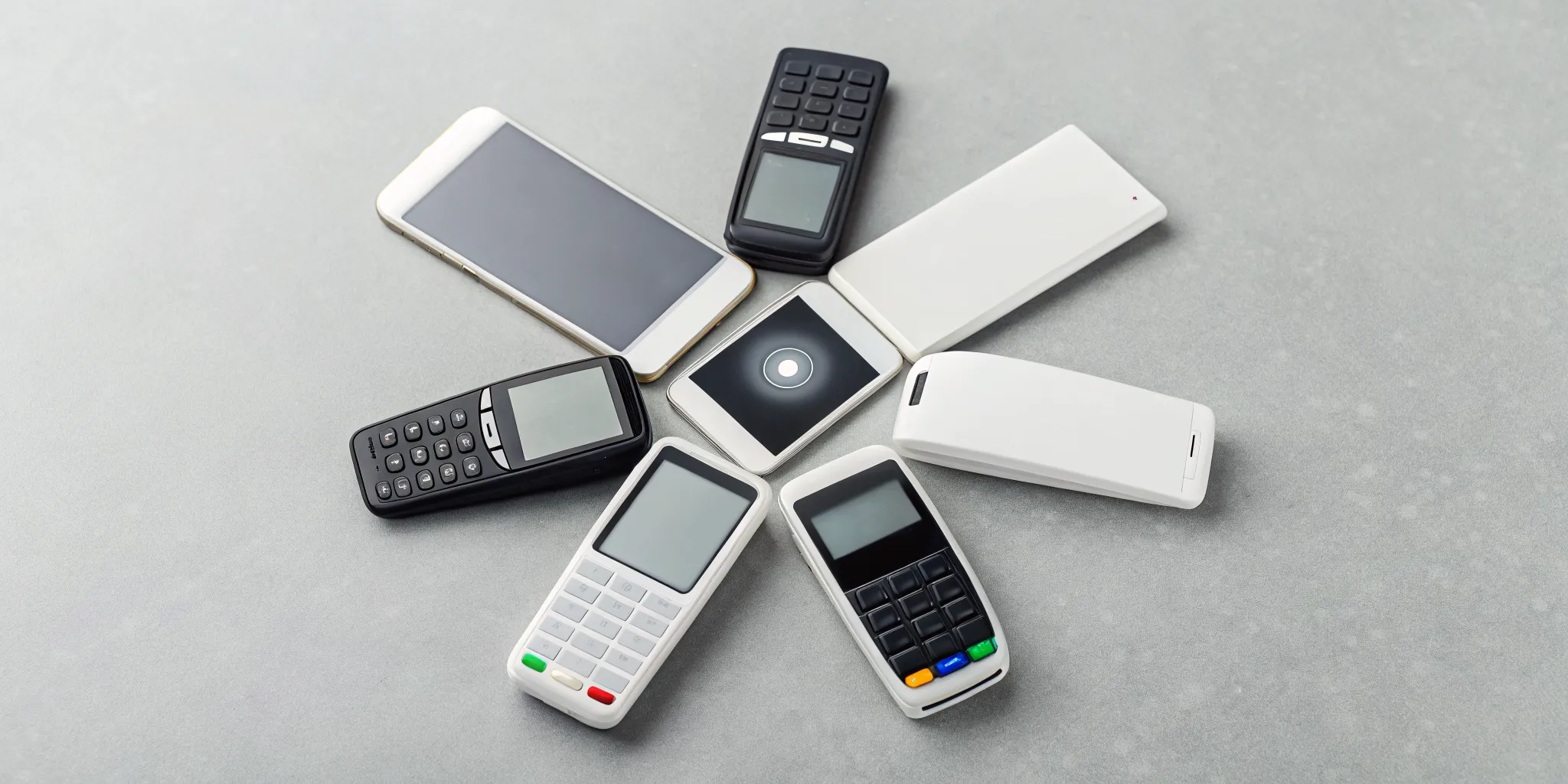
As a business owner, protecting your customers’ financial data is a massive responsibility. Old-school magnetic stripe cards were notoriously easy targets for fraud, but technology has come a long way. NFC payments offer a powerful security upgrade through a process called tokenization, which creates a unique, one-time code for each transaction instead of transmitting actual card numbers. This makes tap-to-pay one of the safest ways to process a payment. Understanding this technology is the first step. The next is finding a partner you can trust. We’ll break down what to look for when evaluating different NFC payment terminal providers to ensure your business is secure.
Key Takeaways
- Focus on Speed and Security: An NFC terminal meets modern customer expectations by providing a faster, more secure checkout. This simple upgrade improves the customer experience and shows your business values their time and data protection.
- Look Beyond the Hardware Costs: The best payment partner offers a complete solution, including transparent pricing, reliable customer support, and flexible contracts. Always compare transaction rates, monthly fees, and integration options to find a provider that supports your business goals.
- Match the Terminal to Your Industry: The right device depends entirely on your business operations. A busy restaurant needs a durable POS system, a mobile professional requires a portable reader, and a retail shop benefits from a terminal that integrates with inventory management.
What Is an NFC Terminal (and Why You Need One)?
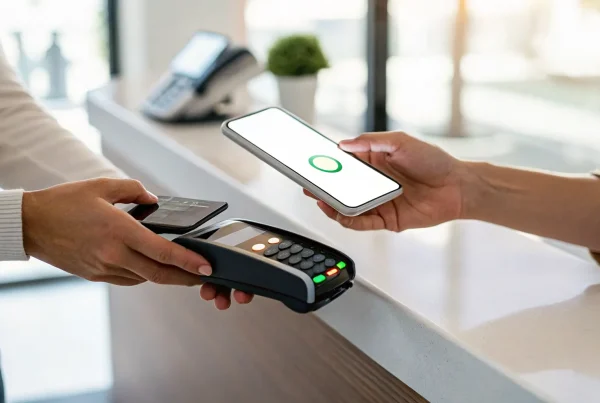
You’ve seen it happen a thousand times: a customer walks up to the counter, pulls out their phone or credit card, and simply taps it on the payment terminal to complete their purchase. The device that makes this quick, seamless transaction possible is an NFC terminal. NFC, which stands for Near Field Communication, is a technology that allows two devices to share information when they are very close to each other, usually within a couple of inches. This “tap-to-pay” functionality is no longer a novelty; it’s what customers have come to expect.
So, why is having an NFC terminal so important for your business? It boils down to two key things: speed and security. In a busy retail or restaurant environment, a long checkout line can be a deal-breaker. Contactless payments are significantly faster than traditional chip or swipe transactions, allowing you to serve more customers and keep the line moving. This efficiency improves the overall customer experience, as people appreciate a modern and hassle-free way to pay. Offering this option shows that you value their time and are keeping your business up-to-date with current technology.
Beyond convenience, NFC payments offer a major security advantage. When a customer taps their card or phone, the technology uses a process called tokenization. This means their actual card number is never transmitted. Instead, a unique, one-time code is created for that specific transaction. This makes contactless payments one of the most secure ways to pay, drastically reducing the risk of card data theft compared to the old magnetic stripe swipe. For a small business owner, this added layer of protection provides peace of mind for both you and your customers.
The Best NFC Payment Terminals for Your Business
Choosing the right payment terminal can feel like a huge decision, but it doesn’t have to be complicated. The goal is to find a system that makes checkout smooth for your customers and simple for you. Different providers excel in different areas, from all-in-one software suites to straightforward, pay-as-you-go hardware. To help you find the perfect fit, let’s walk through some of the top players in the NFC payment space. Each one offers a unique set of features tailored to specific types of businesses, whether you run a bustling restaurant, a pop-up shop, or an established retail store.
MBNCard, Inc.
Instead of just selling you a piece of hardware, we focus on being a true payment processing partner. We believe the best business payment methods come from a provider who offers transparent pricing, reliable support, and equipment that actually fits your workflow. We work with you to understand your specific needs, ensuring you get a secure and professional NFC terminal that creates a seamless checkout experience for your customers. Our approach is built on clear communication and dependable service, so you can spend less time worrying about fees and more time growing your business.
Square
Square is a powerhouse, especially for businesses that want an all-in-one solution. It’s known for having one of the best mobile credit card processing apps because it’s more than just a payment gateway. The software that comes with its NFC readers helps you track inventory, manage customer information, and run detailed sales reports. This makes it a fantastic choice for small retailers or service providers who need a central hub to manage their daily operations. If you’re looking for a system that combines payments with powerful business management tools, Square is definitely worth a look.
Clover
If your business is always on the move, Clover offers incredible flexibility. The Clover Go mobile credit card reader is a popular choice for food trucks, market vendors, and freelance professionals who need to accept payments anywhere. You simply plug the small device into your smartphone, open the app, and you’re ready to process transactions. Its portability doesn’t sacrifice power, as the accompanying app still provides essential features for managing sales and customers. For entrepreneurs who aren’t tied to a traditional storefront, Clover provides a simple and effective way to get paid.
SumUp
For new, small, or seasonal businesses, SumUp offers a refreshingly simple approach. Its main appeal is its transparent, flat-rate pricing with no monthly or annual fees. You only pay a small percentage on the transactions you process, which is perfect if your sales volume fluctuates. This pay-as-you-go model removes the pressure of fixed overhead costs, making it one of the top mobile credit card processors for those just starting out. If you want a straightforward NFC terminal without long-term commitments or hidden charges, SumUp is an excellent and budget-friendly option.
PayPal Zettle
Leveraging a name that customers already know and trust, PayPal Zettle is an easy entry point into the world of contactless payments. It’s designed to be incredibly user-friendly, making it a great choice for small shop owners who want to get up and running quickly. The setup is simple, and the interface is intuitive, removing much of the technical stress that can come with new equipment. For businesses looking for one of the most straightforward contactless payment solutions, Zettle provides a reliable and recognizable way to start accepting tap-to-pay and mobile wallets.
Ingenico
Ingenico is a well-established name in the payment industry, known for its durable and versatile hardware. It offers a wide range of payment terminals that support contactless payments, making it a solid choice for businesses of all sizes. While some providers focus on mobile apps, Ingenico’s strength lies in its dedicated, robust terminals built to handle a high volume of transactions in busy environments like retail stores and service centers. If you need a reliable workhorse terminal that is secure and built to last, Ingenico has a solution that will likely fit your needs.
Verifone
Security and reliability are at the core of Verifone’s offerings. Like Ingenico, Verifone is a trusted industry veteran that provides a variety of sturdy, NFC-enabled payment devices. Businesses that prioritize transaction security and hardware durability often turn to Verifone. Their terminals are designed for longevity and are a common sight in established retail and grocery stores. If your top priorities are protecting customer data and investing in equipment that will stand the test of time, Verifone’s secure payment solutions are a dependable choice.
Toast
If you run a restaurant, Toast was made for you. This platform is designed specifically for the food and beverage industry, offering a comprehensive POS system that goes far beyond just accepting payments. Its features are tailored to the unique demands of a restaurant environment, with tools for online ordering, table management, and kitchen communication. Of course, it includes modern contactless payment options to keep the checkout line moving. For cafes, bars, and restaurants, Toast provides an integrated system that helps manage the entire operation from front to back of house.
What to Look For in an NFC Payment Terminal
Choosing an NFC terminal isn’t just about picking a piece of hardware. It’s about selecting a core part of your business operations and customer experience. The right terminal makes checkouts smooth, keeps data safe, and works seamlessly with the tools you already use. When you start comparing options, it’s easy to get lost in technical specs and pricing tables.
To simplify the process, focus on five key areas that truly matter for your day-to-day operations and long-term growth. Think about security, the types of payments you can accept, how the device connects with your software, its speed, and its ability to handle modern payment methods like mobile wallets. Getting these right will ensure you choose a terminal that not only works today but also supports your business as it grows.
Top-Notch Security and Compliance
First and foremost, your payment terminal has to be secure. Protecting your customers’ financial data is non-negotiable, as it builds trust and protects your business from fraud and hefty fines. Look for a terminal that is PCI compliant, which is the industry standard for securing card data. This means the device and its software meet strict security protocols. Also, make sure the terminal uses end-to-end encryption and tokenization. These features scramble card information the moment it’s used, making the data useless to potential hackers. The best business payment methods always come from a provider who puts security first.
Payment Method Compatibility
Your customers expect to pay their way, so your terminal should be ready for anything. A great NFC terminal is versatile, accepting more than just tap-to-pay credit and debit cards. It should easily handle mobile wallets, which are becoming incredibly popular. This includes Apple Pay, Google Pay, and Samsung Pay. While you’re upgrading to contactless technology, don’t forget about traditional methods. Ensure the terminal also has a reliable chip reader (EMV) and a magnetic stripe reader for older cards. Offering this flexibility makes the checkout process faster and more convenient for everyone, which is always a win.
Seamless Software Integration
A payment terminal shouldn’t operate on an island. It needs to communicate effectively with your other business systems to keep things running smoothly. Before you commit, verify that the terminal integrates with your point-of-sale (POS) system, inventory management software, and accounting tools. This connection automates tasks, reduces the risk of human error from manual data entry, and gives you a clearer picture of your sales and inventory in real time. The goal is to find secure mobile payment solutions that simplify your workflow, not complicate it.
Fast and Reliable Performance
Nothing frustrates a customer more than a slow checkout line caused by a lagging payment terminal. Speed and reliability are critical for a positive customer experience. Look for a terminal with a fast processor that can handle transactions in seconds. Pay attention to its connectivity options, too. Does it connect via Wi-Fi, Ethernet, or a cellular network? Having multiple options provides a reliable backup if one connection goes down. Your terminal should also be scalable, meaning it can handle an increasing number of transactions as your business grows without slowing down.
Support for Mobile Wallets
While we touched on compatibility, the importance of mobile wallet support deserves its own spotlight. More and more shoppers are leaving their physical wallets at home and relying on their smartphones to pay for everything. Accepting mobile wallets like Apple Pay and Google Pay shows your customers that your business is modern and values their convenience. When you’re looking at different machines, make sure you explicitly confirm they are set up to handle all major contactless payments. This small feature can make a big difference in how customers perceive your brand and can streamline your checkout process significantly.
Breaking Down the Costs of an NFC Terminal
When you’re thinking about adding an NFC terminal, it’s easy to focus on the price of the machine itself. But the total cost is more than just the hardware. It’s a mix of one-time equipment purchases, ongoing transaction fees, and monthly software subscriptions. Understanding each piece of the puzzle helps you budget accurately and find a payment solution that truly works for your bottom line.
Let’s walk through the main costs you can expect so you can avoid surprises and make a confident decision. We’ll cover everything from the physical terminal to the fees that come with every tap, dip, and swipe. This way, you’ll know exactly what you’re paying for and can spot a great deal when you see one.
Hardware and Equipment Costs
First up is the physical terminal. The price for NFC-enabled hardware can range from under $50 for a simple mobile card reader to several hundred dollars for a more advanced countertop point-of-sale (POS) system. Choosing the right payment terminal is about more than just accepting cards; it’s about creating a smooth, secure, and professional checkout experience for your customers. Think about your business needs. Do you need a portable device for markets and events, or a stationary terminal for your checkout counter? The model you choose will be your biggest one-time investment.
Processing Rates and Transaction Fees
This is where costs can get a little tricky. For every transaction you process, you’ll pay a fee. These credit card processing fees typically range from 1.5% to 3.5% of the total sale amount, plus a small flat fee (like $0.10) per transaction. The exact rate depends on several factors, including the customer’s card type (debit, credit, rewards), the card brand (Visa, Mastercard), and your processor’s pricing model. While these fees seem small on their own, they add up quickly over a month of sales, so it’s essential to understand the rates before you sign up.
Monthly Service Fees
In addition to per-transaction fees, most payment processors charge a monthly fee for their services. This fee covers software access, customer support, security features, and account maintenance. These ongoing software subscriptions can range anywhere from $0 for basic plans to over $300 per month for comprehensive POS systems with advanced features like inventory management and employee tracking. When comparing providers, look at what’s included in the monthly fee to make sure you’re getting the tools you actually need without paying for extras you won’t use.
Watch Out for Hidden Fees
Finally, always read the fine print. Some processors include extra charges that aren’t always obvious, like PCI compliance fees, statement fees, or early termination fees if you decide to switch providers. The exact fees you pay can vary depending on the type of card used, the transaction method, and the pricing model of your payment processor. A transparent provider will clearly outline all potential costs upfront. Don’t be afraid to ask for a complete fee schedule so you know exactly what to expect on your monthly statement.
The Pros and Cons of Using NFC Terminals
Choosing the right payment terminal is about more than just accepting cards; it’s about creating a smooth, secure, and professional checkout experience for your customers. NFC technology is a huge part of that, but like any business decision, it comes with its own set of pros and cons to weigh. Thinking through both sides will help you find the perfect fit for your business without any surprises down the road.
The Benefits: Why Go Contactless?
The biggest win with NFC terminals is the speed and convenience they offer. A simple tap of a card or phone is much faster than dipping a chip, which keeps your lines moving and your customers happy. This is especially true as more people use mobile payment solutions like Apple Pay and Google Pay. Offering this option shows your business is modern and customer-focused.
Beyond speed, NFC payments are incredibly secure. They use tokenization to protect card data, making transactions safer for both you and your customers. Many modern terminals also come with full-featured POS software that helps you track inventory, manage customer information, and run sales reports, turning a simple payment device into a powerful business tool.
The Drawbacks: What to Consider
While NFC terminals offer a lot of advantages, there are a few things to keep in mind. The most obvious is the initial hardware cost. If you’re upgrading from older equipment, there’s an upfront investment to consider. You’ll also want to make sure the new terminal integrates smoothly with your existing point-of-sale system, as not all hardware and software play nicely together.
It’s also important to remember that not every customer has an NFC-enabled card or uses a mobile wallet. You’ll still need a terminal that can accept chip and swipe payments to serve everyone. Selecting the right mobile credit card processor and reader is key to making sure you have all your bases covered without overcomplicating your checkout process.
Finding the Right NFC Terminal for Your Industry
The perfect NFC terminal for a bustling coffee shop isn’t necessarily the right fit for a freelance photographer or a pop-up boutique. Your industry’s unique workflow, customer interactions, and sales environment play a huge role in determining which device will serve you best. A stationary, feature-rich POS system might be ideal for a brick-and-mortar store, but it would be impractical for a contractor who needs to accept payments on-site.
Thinking about your daily operations is the first step. Do you need a terminal that can handle high transaction volumes during a lunch rush? Or do you need something portable that can slip into your pocket as you travel between client appointments? Understanding these practical needs will help you narrow down your options and find a solution that not only processes payments but also makes your workday easier. Let’s look at what works best for a few common business types.
Small Retail Shops
For a retail shop, the checkout counter is the final touchpoint of the customer journey. Your payment terminal isn’t just a tool for taking money; it’s a key part of creating a smooth and professional checkout experience. You’ll want a reliable countertop terminal that is fast, easy for both your staff and customers to use, and integrates with your inventory management system. Look for devices that can quickly process tap-to-pay cards and mobile wallets to keep the line moving. The best contactless payment terminals for small businesses also offer clear displays and print receipts, giving your shop a polished and established feel.
Restaurants and Cafes
In the fast-paced world of food service, speed and durability are everything. Your NFC terminal needs to withstand spills, constant use, and the general chaos of a busy service. Many restaurants and cafes benefit from modern POS systems with integrated NFC readers that also manage orders, tables, and staff. Pay-at-the-table devices are also becoming essential, allowing servers to close out checks without running back and forth to a central station. When choosing a provider, look for one who offers transparent fees, reliable support, and hardware that truly fits your needs, because a down terminal during peak hours is a nightmare you don’t need.
Service-Based Professionals
If you’re a consultant, plumber, stylist, or any professional who works on the go, your payment solution needs to be as mobile as you are. For service-based businesses, the ideal mobile credit card terminal is a balance of affordability, security, and simplicity. You need a device that can easily connect to your smartphone or tablet, allowing you to accept secure payments from anywhere. These compact readers are popular because they simplify taking payments on-site, ensuring you get paid as soon as the job is done without having to chase invoices later.
Mobile and Pop-Up Shops
For market vendors, food trucks, and pop-up retailers, flexibility is the name of the game. Your setup needs to be simple to transport, quick to assemble, and reliable in various environments. A mobile credit card reader is your best friend here. These small devices often plug directly into your phone or connect via Bluetooth, turning your smartphone into a powerful POS system. With a compatible app, you can start accepting credit cards, debit cards, and mobile wallet payments in minutes. This allows you to offer the same convenient payment options as a permanent storefront, no matter where you set up shop.
How to Compare NFC Terminal Providers
Choosing the right NFC terminal provider goes far beyond picking a piece of hardware. You’re selecting a partner for your business, one who will handle your hard-earned money. The right provider offers a blend of fair pricing, reliable technology, and stellar support. The wrong one can leave you with surprise fees, frustrating downtime, and contracts that hold your business back. As you explore your options, think about the complete package. How does the provider handle your money? What happens when you need help at 8 p.m. on a Saturday? Can their service grow with you?
Answering these questions will help you see past the flashy marketing and find a partner who genuinely supports your success. It’s about finding a service that fits your specific business needs, whether you run a bustling cafe, a boutique retail shop, or a mobile service. Taking the time to compare providers on these key points ensures you make a choice you’ll be happy with for years to come. Let’s walk through the most important factors to consider so you can make a confident decision.
Analyze Their Pricing Models
Pricing can feel complicated, but it boils down to a few key areas. First, look at the transaction fees. Most providers charge a percentage of each sale, and these credit card processing fees typically range from 1.5% to 3.5%. Ask for a clear breakdown of rates for different card types, including tapped, swiped, and keyed-in payments. Beyond that, inquire about hardware costs, monthly software subscriptions, and any other recurring charges. A transparent provider will give you a straightforward quote with no hidden fees. Don’t be afraid to ask for an itemized list so you can accurately calculate your total monthly cost and find a solution that protects your profit margins.
Evaluate Customer Support
When your payment system goes down, every minute counts. That’s why customer support is non-negotiable. Before you sign anything, find out what a provider’s support system looks like. Are they available 24/7? Can you reach a real person by phone, or are you stuck with email and chat bots? The best business payment methods are backed by a team that offers reliable help when you need it most. Look for providers known for their responsive and knowledgeable support staff. Check online reviews and ask other business owners about their experiences. A provider who invests in great customer service is a provider who invests in their clients.
Review Contract Terms and Flexibility
Contracts are legally binding, so it’s crucial to understand exactly what you’re agreeing to. Some providers lock you into long-term agreements with hefty early termination fees. While this can sometimes mean lower upfront costs, it can also be a major headache if your business needs change or if you’re unhappy with the service. Look for a provider that offers flexible, month-to-month terms. This gives you the freedom to make changes as your business evolves. A good mobile credit card processor should understand that your needs might fluctuate, and their contract terms should reflect that understanding. Always read the fine print before you sign.
Check Integration Requirements
Your NFC terminal should make your life easier, not more complicated. For that to happen, it needs to work seamlessly with the other tools you use to run your business. Make a list of your essential software, such as your point-of-sale (POS) system, accounting software like QuickBooks, and any inventory management or e-commerce platforms. When speaking with potential providers, ask if their terminals integrate with your existing setup. A smooth integration automates tasks, reduces the risk of manual entry errors, and gives you a clearer picture of your business performance. Confirming compatibility upfront will save you countless hours of frustration down the road and ensure you have secure mobile payment solutions that work with your entire ecosystem.
Where to Find Trustworthy Reviews
Sifting through online reviews can feel like a full-time job, especially when you’re trying to separate genuine feedback from sponsored content. When you’re ready to compare NFC terminal providers, knowing where to look for honest, detailed information is key. You need sources that go beyond surface-level ratings and dig into the details that matter to a small business owner, like hidden fees, contract terms, and customer support quality.
To get a clear, unbiased picture, I always recommend starting with sites that specialize in detailed comparisons. Websites like Merchant Maverick provide in-depth analyses of different payment solutions, breaking down everything from features and fees to the quality of customer support. They do the heavy lifting so you can see how providers stack up against each other. If your business is always on the move, you’ll want reviews that focus specifically on portability. Thrifty Payments offers great insights into the best mobile credit card processing solutions for contactless payments.
For a broader perspective that includes user ratings, Business.com provides a solid range of reviews on mobile credit card processors, which can give you a better sense of real-world performance. We also put together our own evaluation of the best contactless payment terminals for small businesses, based on what we know works for merchants like you. We focus on reliability, ease of use, and transparent costs because those are the things that truly matter day-to-day. Reading reviews from a few different sources will give you a well-rounded view and help you feel confident in your final decision.
Related Articles
- Top 6 Contactless Payment Terminals for Small Business
- Top 5 Contactless Credit Card Machines for Retail
- 5 Best Contactless POS Terminals for Your Business
Frequently Asked Questions
What’s the real difference between tapping a card (NFC) and dipping it (EMV chip)? Think of it as the difference between a quick handshake and a formal signature. Dipping a chip card, or EMV, requires the card to stay in the terminal for a few seconds to verify the transaction. Tapping a card using NFC is much faster because it uses a short-range radio frequency to exchange information almost instantly. Both methods are very secure, but NFC payments add an extra layer of convenience by speeding up the checkout process for everyone.
My business is small. Is investing in an NFC terminal really worth it right now? Absolutely. Even for a small business, offering contactless payments is less about following a trend and more about meeting customer expectations. People are used to the speed and convenience of tapping their card or phone to pay. Providing that option shows you value their time and are running a modern, professional operation. It also future-proofs your business, ensuring you can serve customers smoothly as more of them leave their physical wallets at home.
Can I just use my smartphone to accept NFC payments, or do I need a separate device? You have options here, which is great. Some providers offer small, portable card readers that connect to your smartphone or tablet via Bluetooth, effectively turning your device into a payment terminal. These are perfect for mobile businesses or those just starting out. For a more established storefront, a dedicated countertop terminal often provides a faster, more robust experience and can integrate more deeply with a full point-of-sale system for tracking inventory and sales.
Besides the terminal itself, what are the main ongoing costs I should budget for? The two biggest ongoing costs to plan for are transaction fees and monthly service fees. Transaction fees are a small percentage of each sale that goes to the payment processor. Monthly fees typically cover your software subscription, customer support, and other account services. A good provider will be completely transparent about these costs, so be sure to ask for a full fee schedule before you commit to a service.
How do I make sure a new NFC terminal will work with the software I already use? This is a crucial step. Before choosing a terminal, make a list of the essential software you rely on, like your point-of-sale system or accounting software. When you talk to potential providers, ask them directly if their hardware and software are compatible with your current tools. A seamless integration is key because it automates your sales data, prevents manual entry errors, and gives you a clear, accurate view of your business’s performance.