The world of payment processing can feel like it has its own language, filled with terms like “interchange fees,” “PCI compliance,” and “merchant accounts.” It’s enough to make any business owner feel overwhelmed. But at its core, accepting credit cards is just about getting paid securely and efficiently. You don’t need to become a financial expert to make smart decisions for your business. This guide is designed to cut through the noise and give you clear, straightforward answers. We’ll explain what you actually need, how to avoid hidden fees, and walk you through the simple mechanics of how to receive payment from credit card to bank account.
Key Takeaways
- Assemble Your Payment Toolkit: To start accepting cards, you need three core components: a merchant account to receive funds, a POS system for in-person sales, and a payment gateway for online transactions. A good provider will help you set up all three.
- Take Control of Your Processing Costs: Don’t let fees be a mystery. Ask for transparent pricing models like Interchange-Plus and explore programs like cash discounts or dual pricing to significantly reduce or even eliminate your processing expenses.
- Prioritize Partnership Over Price: The cheapest processor isn’t always the best choice. Look for a true partner who offers clear pricing, reliable customer support, and secure technology that can support your business as it grows.
Ready to Accept Credit Cards? Here’s Where to Start
If you’re running a business, making it easy for customers to pay you is a top priority. While cash has its place, the world runs on cards. Stepping into credit card processing might feel like a big move, but it’s one of the most impactful decisions you can make for your growth. It’s simpler than you think to get started, and the benefits—from happier customers to increased sales—are well worth it. Let’s walk through what you need to know to begin accepting card payments with confidence.
Why Card Payments Are a Game-Changer for Your Business
Let’s be honest: most people don’t carry a lot of cash anymore. Customers expect the convenience of paying with a credit or debit card, whether they’re buying a coffee or a couch. If your business is cash-only, you might be unintentionally losing out on sales simply because a potential customer didn’t have enough bills in their wallet.
Making the switch isn’t just about keeping up—it’s about creating a better experience. When you accept credit and debit cards, you make purchasing smoother and more secure for your customers. This simple change can lead to more sales, higher average transactions, and a more professional image for your business. It signals that you’re serious about customer convenience and ready to grow.
A Quick Look at How Payments Get from Your Customer to You
Ever wonder what happens in the few seconds after a customer taps their card? It’s a speedy and secure process. When a customer pays, your terminal or online checkout sends the transaction details to a payment processor. The processor securely routes that information to the card network (like Visa or Mastercard), which then asks the customer’s bank for an approval.
If the customer has sufficient funds, the bank sends back an “approved” message, and the sale is complete. At the end of the business day, all your approved transactions are batched together and settled. From there, the funds are transferred from the various customer banks, through the processor, and deposited into your merchant account. Finally, the money lands in your business bank account, typically within one to three business days.
What You Need to Get Set Up
Getting started with credit card payments might seem complicated, but it really boils down to three key pieces. Think of it as your toolkit for getting paid. You’ll need a special account to receive the funds, the right hardware for in-person sales, and a secure setup for online transactions. Once these components are in place, you can offer the smooth payment experience your customers expect. Let’s walk through exactly what you need for each part of the process.
Find the Right Merchant Account
First, you’ll need a merchant account. This is a specific type of bank account that allows your business to accept and process credit and debit card payments. When a customer pays with a card, the money first goes into your
Choose Your Point-of-Sale (POS) System or Terminal
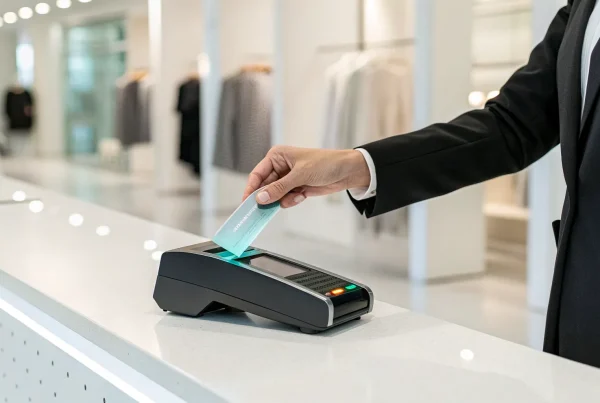
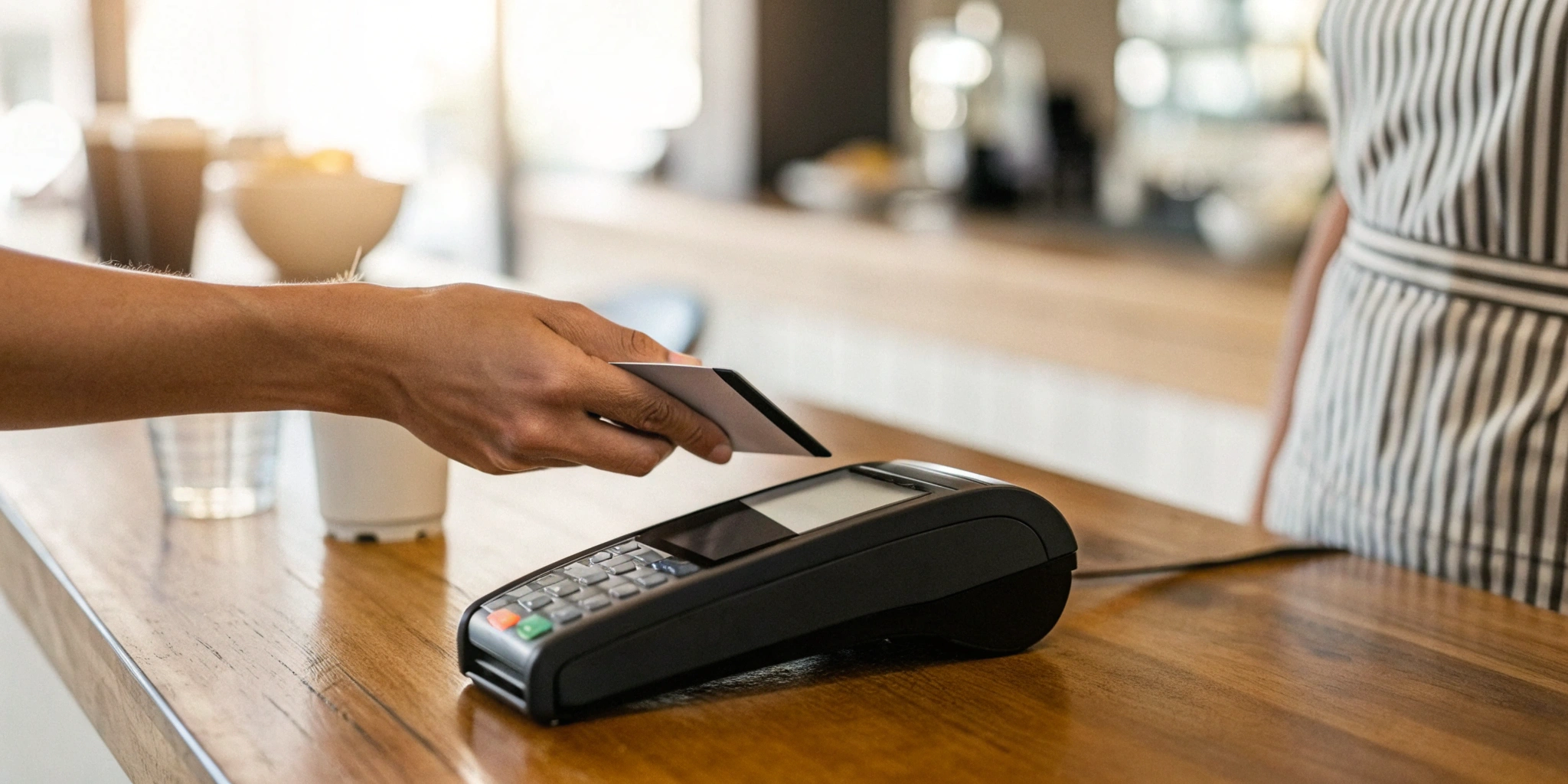
If you run a brick-and-mortar business, you’ll need a way to accept cards in person. This is where a point-of-sale (POS) system or a credit card terminal comes in—the physical device where customers swipe, insert, or tap their cards. Modern systems do much more than just process payments; they can also help you manage inventory, track sales data, and build customer relationships. The right POS system depends on your business. A restaurant needs different features than a retail boutique, so the key is to find a solution that simplifies your daily operations.
Get Your Website Ready for E-commerce
Selling online requires a different kind of tool: a payment gateway. A payment gateway is the online version of a POS terminal. It’s the secure technology that connects your website’s shopping cart to the payment processing network. When a customer enters their card details on your site, the gateway encrypts the information and sends it off for authorization, keeping sensitive data safe. Setting up a reliable e-commerce integration is essential for building trust with online shoppers. This technology also lets you accept payments through invoices with a “pay now” link, making it easier for customers to pay you from anywhere.
How Much Does It Cost to Accept Credit Cards?
Let’s talk about one of the biggest questions business owners have: what will this actually cost me? While accepting credit cards is a non-negotiable for growth, the fees can feel like a puzzle. The good news is that once you understand the moving parts, you can find a solution that fits your budget and helps your business thrive. Think of it less as a cost and more as an investment in providing a seamless experience for your customers. The key is to know exactly what you’re paying for so you can spot a great deal—and avoid the not-so-great ones.
A Simple Breakdown of Processing Fees
When you run a credit card, the money goes on a quick journey involving several players, and each one takes a small piece of the transaction. Here’s who gets paid:
- Interchange Fees: This is the largest chunk of the cost and it goes directly to the customer’s issuing bank (the one that provided the credit card). These rates are set by the card networks like Visa and Mastercard and are non-negotiable. They vary based on the card type, how the transaction is processed, and other risk factors.
- Assessment Fees: A much smaller fee that goes to the card brands themselves (Visa, Mastercard, Discover) for maintaining their networks.
- Processor Fees: This is the part you can control. It’s the markup your payment processor charges for facilitating the transaction, providing customer support, and managing your account.
Compare Common Pricing Models
Payment processors bundle these fees together in different ways, which is why comparing quotes can be tricky. Most pricing falls into one of these models:
- Flat-Rate: You pay one consistent rate for all transactions, like 2.9% + 30¢. It’s simple and predictable, but you might overpay if you have a lot of low-cost debit transactions.
- Tiered: This model groups transactions into different “tiers” with different rates. It can be confusing and often makes it difficult to see the true cost, as many transactions get downgraded to more expensive tiers.
- Interchange-Plus: This is the most transparent pricing model available. Your processor passes the true interchange and assessment costs directly to you and adds a small, fixed markup. You always know exactly what you’re paying.
Learn to Read Your Merchant Statement
Your monthly merchant statement is your best tool for understanding your processing costs. At first glance, it might look like a wall of numbers, but don’t be intimidated. The most important thing to do is calculate your effective rate. Simply divide the total fees you paid by your total sales volume for the month. This gives you a single percentage that represents your true cost. A good payment partner will be happy to walk you through your statement and explain every line item. If your provider can’t—or won’t—it might be a red flag that you’re paying for hidden fees.
Smart Ways to Lower Your Processing Costs
Credit card processing fees are a standard cost of doing business, but they don’t have to eat into your profits. Instead of just accepting them as a fixed expense, you can use smart pricing strategies to reduce or even eliminate them completely. Programs like cash discounts and dual pricing are designed to do exactly that. They work by shifting the cost of card acceptance to the customers who choose to pay with a card, while rewarding those who pay with cash. This isn’t about penalizing card users; it’s about creating a fair system where the cost follows the choice of payment.
This approach puts you back in control of your margins. By building the processing cost into your pricing structure, you ensure that you earn the same amount from every sale, whether the customer pays with a credit card or cash. It’s a straightforward way to protect your bottom line without raising prices across the board for everyone. These programs are becoming increasingly popular because they offer a transparent and effective way to manage one of a business’s most unpredictable expenses. Understanding how they work is the first step toward keeping more of your hard-earned money and creating a more sustainable pricing model for your business.
How Cash Discount Programs Work
A cash discount program is a simple pricing strategy where you offer customers an incentive to pay with cash. Here’s how it works: you build the cost of card processing directly into your listed prices. When a customer pays with a credit or debit card, they pay the full shelf price. If they choose to pay with cash, you give them a small discount at the register. This way, the cost of processing is covered by the customers who create that cost.
To run a successful program, transparency is essential. You must have clear signage at the entrance and at the point of sale explaining your pricing. This ensures customers understand why there’s a discount for cash and helps you stay compliant with payment card network rules.
Explore Dual Pricing to Save on Fees
Dual pricing is another effective way to manage processing fees and is very similar to a cash discount program. The main difference is in how the prices are presented to the customer. With a dual pricing model, you clearly display two prices for every item or service: a card price and a lower cash price. This gives your customers complete transparency and the power to choose the payment method that works best for them.
By showing both prices upfront, you incentivize customers to consider using cash, which directly lowers the processing fees you pay. This strategy allows you to maintain consistent profit margins on every transaction. Ultimately, a dual pricing strategy can help you virtually eliminate your processing costs, turning a significant business expense into a manageable part of your operations.
How to Keep Every Transaction Secure
Accepting card payments means you’re handling sensitive customer data. Keeping that information safe is one of your most important responsibilities as a business owner. It builds trust with your customers and protects your business from the serious financial and reputational damage of a data breach. The good news is that you don’t have to be a security expert to protect your business. With the right partner and some smart practices, you can keep every transaction secure.
Security isn’t a one-time setup; it’s an ongoing commitment. Think of it as having multiple layers of protection. Even with the best technology, staying vigilant is key. Understanding the risks, putting preventative measures in place, and knowing how to respond if something goes wrong are the pillars of a strong security strategy. Let’s walk through the two main areas you need to focus on: compliance and fraud prevention.
What Is PCI Compliance and Why Does It Matter?
If you accept credit cards, you’ve probably heard the term “PCI compliance.” So, what is it? The Payment Card Industry Data Security Standard (PCI DSS) is a set of security rules for any business that accepts, processes, stores, or transmits credit card information. Think of it as the minimum security standard required to keep cardholder data safe. It’s not just a suggestion—it’s a requirement for all merchants.
Becoming and staying compliant helps you avoid hefty fines and penalties in the event of a data breach. More importantly, it shows your customers you’re serious about protecting their information, which is essential for building long-term trust. Your payment processing partner should make this process easier by providing compliant hardware and software. They can help you understand your specific requirements and guide you through the steps to ensure your business meets all the necessary PCI security standards.
Simple Steps to Protect Your Business from Fraud
Beyond compliance, you need a proactive plan to prevent fraud. While fraudsters are more likely to use stolen credit card details for online orders, you still need to be cautious with in-person transactions. A layered approach is always the most effective.
Start by training your team on best practices. Employees should only handle payment terminals when processing a transaction, and they should never share sensitive merchant account details over the phone or online. You should also use modern, secure technology, like EMV chip card readers and encrypted payment gateways for your website. These tools make it much harder for criminals to steal card information. Regularly review your transaction reports for any unusual activity, like multiple small purchases in a row or orders with mismatched billing and shipping addresses. Catching these red flags early can stop fraud before it causes major damage.
How to Choose the Best Payment Partner
Choosing a payment processor is one of the most important decisions you’ll make for your business. This isn’t just about finding the lowest rate; it’s about finding a true partner who can support your daily operations and your long-term vision. The right provider will make your life easier with reliable service, clear pricing, and helpful support. The wrong one can become a source of constant frustration with confusing statements, hidden fees, and service that disappears when you need it most.
Think of this process as vetting a key business partner. You want someone who is invested in your success and can grow with you. By asking the right questions and looking for specific qualities, you can find a payment processor you can count on for years to come. Let’s walk through exactly what to look for to make a choice you feel great about.
Key Questions to Ask Before You Commit
Before you sign any contract, get clear answers to a few critical questions. A trustworthy provider will be happy to answer them.
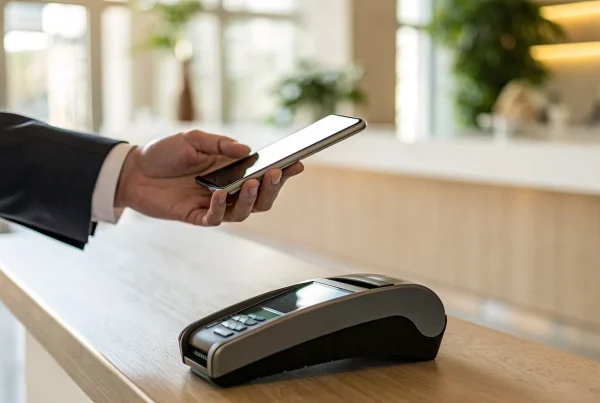
First, ask what payment types they accept. Your customers expect convenience, so you’ll want to accept all major credit and debit cards, as well as digital wallets like Apple Pay and Google Pay. Next, get a straight answer on fees. Ask for a complete breakdown of every single charge—from transaction rates to monthly fees—so there are no surprises. Also, confirm if they have processing limits that could cap your sales during a busy month. You need a partner who can handle your volume as you grow. Finally, find out what happens when you need help. Reliable customer support is essential when your money is on the line.
Find a Provider Who Supports Your Growth
A great payment partner doesn’t just meet your needs today; they anticipate what you’ll need tomorrow. As your business evolves, you might expand from a physical storefront to selling online or at local markets. Look for a provider who can connect your sales channels with a unified solution. This will save you the major headache of trying to piece together different systems down the road.
Ultimately, you want a partner who makes the payment process simple and transparent. They should offer clear guidance on integrating their technology with your website or POS system, provide statements that are easy to understand, and be upfront about their rates. A provider who prioritizes transparency and offers dedicated support is one who is truly invested in helping your business succeed.
Start Accepting Payments Today
You’ve done the research and understand the moving parts. Now, it’s time to put it all into action and open your doors to more customers by accepting credit and debit cards. Getting started is often simpler than it seems, especially when you have a clear path forward. The first and most important step is finding a payment partner who understands your business goals and is committed to helping you succeed. Look for a provider that offers transparent rates, accessible customer support, and clear guidance on integrating payments into your website or point-of-sale (POS) system.
Once you have a partner, the focus shifts to security. Accepting card payments safely is non-negotiable, and the right processing solution is your first line of defense. A reliable provider will equip you with the tools and technology needed to protect your business and your customers from fraudulent activity. Effective small business fraud prevention is most effective when it’s layered, combining secure payment gateways, EMV chip readers, and PCI compliance with smart, everyday business practices. Your provider should be able to walk you through these requirements so you can feel confident with every transaction.
With a trusted partner and a secure setup, you’re ready to go. They’ll help you get the right hardware or software, whether it’s a modern terminal for your storefront or a seamless payment gateway for your e-commerce site. The sooner you can accept card payments, the sooner you can streamline your sales process, improve cash flow, and give your customers the convenient payment options they’ve come to expect.
Related Articles
- How to Accept Credit Card Payments Online for Free
- Best Way to Accept Credit Cards Online: A Guide
- How to Accept Credit Card Payments: The 2026 Guide
Frequently Asked Questions
What’s the difference between a merchant account and my regular business bank account? Think of a merchant account as a special holding area just for your credit and debit card sales. When a customer pays with a card, the money first flows into this account to be processed and settled. Once everything is cleared, the funds are then transferred in a batch to your familiar business bank account, where you can access them to pay bills or run your business. You can’t accept card payments without one.
How quickly will I receive the money from my card sales? Typically, you can expect to see the funds from your card transactions deposited into your business bank account within one to three business days. The exact timing depends on when you close out your sales for the day, a process called “batching.” This isn’t an instant transfer because behind the scenes, your processor is gathering all your daily sales and settling them with the various card networks and banks.
Is a cash discount program the same as adding a surcharge for card payments? While they might seem similar, they are structured differently. A cash discount program involves setting a single shelf price that includes processing costs and then offering a discount to customers who choose to pay with cash. A surcharge, on the other hand, involves adding a fee at the register for customers who pay with a card. Cash discount programs are often simpler to implement and are compliant in more areas, as long as you have clear signage for your customers.
I only sell online. Do I still need a POS system? No, you won’t need a physical point-of-sale (POS) system or terminal if your business is exclusively online. Those devices are for processing in-person payments. Instead, your focus will be on integrating a secure payment gateway into your website. The gateway is the digital tool that safely captures customer card information from your online checkout and sends it through the processing network.
What’s the most important thing to look for in a payment processor besides low rates? While competitive rates are important, responsive and helpful customer support is just as critical. When you have an issue with a payment, you need to be able to reach a real person who can help you solve it quickly. You should also look for a partner who values transparency. They should be willing to explain your monthly statement line by line and help you understand exactly what you’re paying for, without hiding fees in confusing jargon.