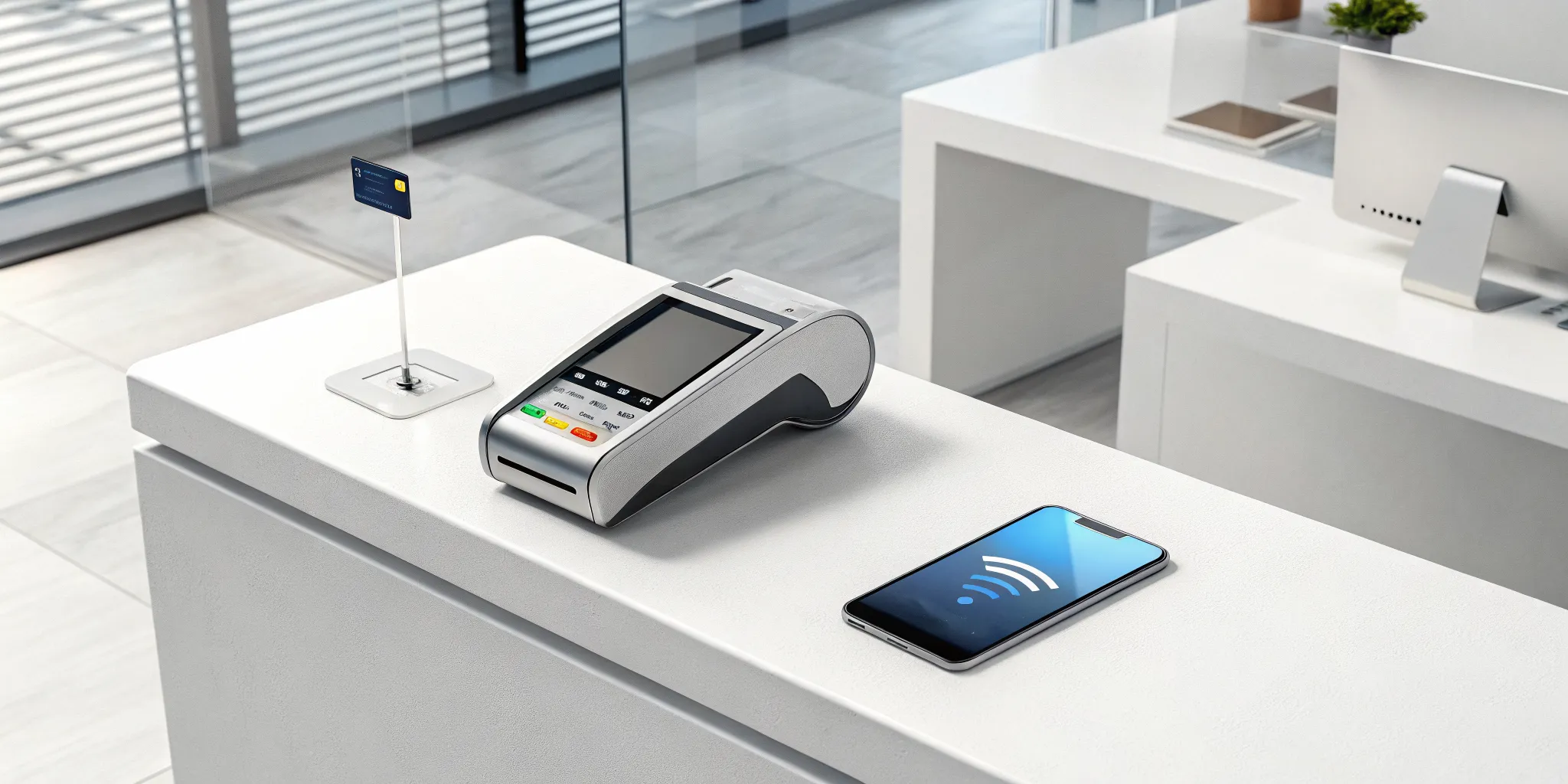
What really happens in the few seconds after a customer taps their card? It seems like magic, but it’s actually a highly coordinated process designed to get you paid quickly and securely. The unsung hero of this process is the merchant account, a special type of bank account that acts as a temporary holding place for your funds. It works behind the scenes to authorize, settle, and fund every card sale you make. Understanding this flow is key to appreciating why a reliable payment system is so important. Here, we’ll pull back the curtain on the transaction journey and explain the vital role your merchant card processor account plays every step of the way.
Key Takeaways
- A Merchant Account Is Essential for Modern Sales: This special bank account is the necessary tool for accepting card payments, which helps you capture more revenue, improve your cash flow with faster funding, and build credibility with your customers.
- Pricing Models Directly Impact Your Bottom Line: Understanding the difference between flat-rate, tiered, and transparent models like interchange-plus helps you choose the most cost-effective option and avoid hidden fees that can quietly eat away at your profits.
- Proactive Management Protects Your Business: Regularly review your monthly statements for errors, monitor chargebacks to prevent revenue loss, and use your provider’s reporting tools to make smarter, data-driven decisions about your operations.
What Is a Merchant Account?
Let’s start with the basics. A merchant account is a special type of business bank account that allows you to accept and process electronic payments, including credit cards and debit cards. Think of it as a necessary bridge between your customer’s bank and your own business bank account. When a customer swipes, taps, or enters their card information, the money doesn’t instantly appear in your checking account. Instead, it first goes into your merchant account.
This account acts as a temporary holding place for all your card-based sales. The funds are held here for a short period, typically one to two business days, while the transaction is verified and settled. After that, the accumulated funds are transferred in a batch deposit to your primary business bank account. This entire process is what makes it possible for you to securely accept credit and debit card payments from your customers. Without a merchant account, you’d be limited to cash and checks, which can significantly limit your sales potential. It’s the foundational piece of the puzzle for modern commerce.
Merchant Account vs. Payment Processor: What’s the Difference?
You’ll often hear the terms “merchant account” and “payment processor” used together, and it’s easy to get them confused. Here’s a simple way to tell them apart. A payment processor is the company that provides the technology and service to handle the transaction. It acts as the messenger, securely carrying payment information between your customer, their bank, and your bank to get the transaction approved.
The merchant account, on the other hand, is the actual bank account where the money is held after the processor does its job. So, the payment processor facilitates the movement of money, and the merchant account is the destination where that money temporarily sits before being moved to your final business bank account. You need both to make the system work.
Clearing Up Common Merchant Account Myths
There’s a lot of confusing information out there, so let’s clear the air on a few common myths about merchant accounts. First, some people think they can get by without one. While some third-party aggregators combine services, any business that wants to directly accept card payments needs a dedicated merchant account. It’s a non-negotiable part of the payment infrastructure.
Another myth is that getting approved is incredibly difficult. While there is an application and underwriting process, it’s usually straightforward. You’ll need to provide standard business documents, like a business license, and agree to a contract that explains the rules and fees for processing. It’s a standard business procedure, not an insurmountable hurdle. Finally, don’t believe that all merchant accounts are the same. They vary widely in pricing, fees, and support, which we’ll get into later.
How Does a Merchant Account Actually Work?
Ever wondered what happens in the few seconds between a customer swiping their card and the “approved” message popping up on your terminal? It might seem like magic, but it’s a well-defined process that ensures you get paid securely. Think of it as a quick, three-step journey that your customer’s payment takes to get from their wallet to your business bank account.
At the center of this journey is your merchant account. It’s not the same as your regular business checking account; instead, it’s a special account that acts as a temporary holding place for all your credit and debit card sales. Your payment processor sets this up for you, and it works behind the scenes with card networks (like Visa and Mastercard) and banks to move money safely. Understanding this flow helps you see why having the right merchant services partner is so important for your business’s cash flow and security. Let’s break down exactly how it works, step by step.
Step 1: The Customer Pays
It all starts at the point of sale. A customer decides to buy something and presents their credit or debit card, either by swiping, dipping the chip, tapping to pay, or entering the details on your ecommerce site. This action sends the transaction information from your POS system or online payment gateway to your payment processor. The processor then routes the data to the appropriate card network. At this point, the funds are earmarked for your business, waiting in a sort of digital limbo before they can be officially moved. This is the first and most visible part of the entire transaction lifecycle.
Step 2: The Transaction Is Authorized
This is where the high-speed communication happens. The payment processor securely sends an authorization request to the customer’s issuing bank. The bank instantly checks a few key things: Does the customer have enough funds or available credit? Is the card valid and not reported stolen? Are there any signs of fraud? In just a couple of seconds, the bank sends a response back through the network. If everything checks out, you’ll see an “approved” message. The funds are then deducted from the customer’s available balance and held, waiting for the final step of the process.
Step 3: The Funds Are Settled
Authorization is just the promise of payment; settlement is when the money actually moves. At the end of each business day, you’ll “batch out” your terminal, which sends a file of all your approved transactions to your processor. The processor then collects the funds from all the different customer banks and deposits the total into your merchant account. From there, the money is transferred to your main business bank account. This final transfer, known as funding, typically takes one to three business days, depending on your provider. And just like that, the sale is complete, and the money is yours.
Why Your Business Needs a Merchant Account
Thinking of a merchant account as just another box to check is a missed opportunity. It’s not simply a technical requirement for taking cards; it’s a strategic tool that can help you make more sales, improve your cash flow, and build a professional brand. When you’re running a business, every decision should support your growth. A dedicated merchant account does exactly that by creating a reliable and efficient system for the most critical part of your business: getting paid.
While it might seem like an extra step, especially with third-party payment apps available, a true merchant account offers stability and features that growing businesses need. It provides a direct link between your customer’s bank and yours, often resulting in faster funding, better rates, and more robust security. It’s the difference between borrowing a friend’s car and owning one that’s perfectly suited to your needs. If you’re serious about building a sustainable business, a merchant account is one of the most important foundations you can put in place. It’s the engine that powers your transactions and fuels your success.
Accept More Payment Types (and Make More Sales)
Let’s be honest, how many of your customers carry enough cash for a significant purchase? These days, people expect to pay with a card. If you’re a cash-only business, you’re likely turning away sales without even realizing it. A merchant account is your ticket to accepting the credit and debit card payments your customers prefer. By offering more payment methods, you remove a major barrier to buying. This simple change makes it easier for people to shop with you, which directly translates to more revenue and a healthier bottom line. It’s one of the most straightforward ways to grow your business.
Get Your Money Faster
As a business owner, cash flow is everything. Waiting a week or more for your sales revenue to hit your bank account can be incredibly stressful and can stall your operations. This is where a good merchant account provider makes a huge difference. While some third-party aggregators can take several business days to deposit your funds, a dedicated merchant account is designed for speed. Many providers offer next-day or even same-day funding. Getting your money quickly means you can pay bills, order inventory, and invest back into your business without delay. It’s crucial for maintaining healthy business cash flow.
Protect Your Business and Your Customers
Handling credit card information comes with a lot of responsibility. A merchant account provides a secure buffer between your customer’s payment and your business bank account. When a transaction happens, the sensitive data is encrypted and processed through secure channels, protecting both you and your customer from fraud. Merchant account providers are also required to follow strict security rules, known as PCI compliance. Partnering with a compliant provider helps you meet these standards, safeguarding your business from data breaches and costly penalties. This lets you focus on your business, knowing your transactions are handled according to PCI Security Standards Council guidelines.
Build Customer Trust and Credibility
The way you accept payments says a lot about your business. Fumbling with a clunky, unprofessional system can make customers feel uneasy. On the other hand, a smooth and secure checkout process shows that you’re a legitimate, professional operation. Having a proper merchant account enables you to offer this seamless experience, whether in-person or online. It signals to your customers that you value their security and have invested in the right infrastructure. This professionalism is a key ingredient in building brand trust, which encourages repeat business and positive word-of-mouth.
Understanding Merchant Account Fees
Let’s talk about fees. It’s not the most exciting topic, but understanding the costs associated with your merchant account is one of the most important things you can do for your business’s financial health. The fee structure is where many providers get tricky, hiding costs in confusing statements. A great partner will be upfront about what you’re paying and why. Generally, fees fall into a few main categories: costs per transaction, scheduled fees, and incidental fees. Knowing the difference will help you accurately predict your expenses and choose a provider who truly has your back.
Transaction Fees
This is the fee you’ll see most often. Every time a customer taps, dips, or clicks to pay, a transaction fee is charged. Most of the time, these costs are a percentage of the sale plus a small, flat fee per transaction. For example, you might see a rate like 2.9% + $0.30. This means on a $100 sale, you’d pay $2.90 plus $0.30, for a total of $3.20. These rates can vary depending on the type of card used (debit, credit, rewards) and how the payment is accepted (in-person, online). This is the core of your processing costs, so pay close attention to these numbers when comparing providers.
Monthly & Annual Fees
Beyond the cost of each sale, many providers charge scheduled fees just to keep your account active. These can include a general monthly account fee, a statement fee, or a fee for PCI compliance. Some providers also have a monthly minimum, meaning if your transaction fees don’t add up to a certain amount, you have to pay the difference. If you’re using equipment from your provider, you may also see terminal rental fees. While some of these are standard, they can add up, so be sure to get a full list of all recurring charges before you sign anything.
Setup & Gateway Fees
Getting started with a new merchant account can sometimes come with a one-time cost. Some processors charge an application or account setup fee to cover the administrative work of opening your account. If you’re selling online, you may also encounter a payment gateway setup fee, which covers the cost of integrating the secure payment technology into your website. Not all providers charge these, but it’s always a good idea to ask upfront. Think of it as part of the initial investment in your payment infrastructure, and factor it into your decision when choosing a long-term partner for your business.
Chargeback Fees
A chargeback happens when a customer disputes a purchase with their card-issuing bank, which then reverses the transaction. When this occurs, your processor steps in to manage the dispute process. For this service, they charge a chargeback fee, and you’ll pay this fee whether you win or lose the dispute. These fees can be costly, often ranging from $15 to $25 or more per incident. While no business is completely immune to them, you can minimize charge-backs by providing excellent customer service, having clear return policies, and using descriptive billing names so customers recognize your business on their statements.
Hidden Fees to Watch For
This is where a lack of transparency from a provider can really hurt your bottom line. Some processors advertise low transaction rates but make up for it with a long list of extra charges. Be on the lookout for things like early termination fees (ETFs) if you want to leave your contract, separate authorization fees charged on top of your transaction fee, and annual fees. Some even charge a fee for not meeting PCI compliance standards. A trustworthy provider will be clear about all potential costs. When you review a contract, ask about any fees you don’t recognize and look for a partner who avoids piling on these extra fees.
Breaking Down Merchant Account Pricing Models
When you start looking at merchant accounts, the different pricing structures can feel like a puzzle. But once you understand the basic models, you can confidently choose the one that fits your business best. Think of it less as a complex code and more as a menu of options. Each one is built for different types of businesses, and knowing the difference can save you a lot of money. Let’s walk through the four most common pricing models you’ll encounter.
Flat-Rate Pricing
Flat-rate pricing is the easiest model to understand. You pay one consistent, fixed percentage and sometimes a small per-transaction fee for every sale, regardless of the card type. For example, you might pay 2.9% + $0.30 for every transaction. This simplicity is great for new businesses or those with a lower sales volume because it makes your costs predictable and easy to budget for. You always know exactly what you’ll pay. The trade-off is that as your business grows, this model can become more expensive than other options, since the single rate is often higher to cover the processor’s variable costs.
Interchange-Plus Pricing
Interchange-plus is often considered the most transparent pricing model. Here’s how it works: you pay the non-negotiable interchange fee set by the credit card networks (like Visa or Mastercard) plus a small, fixed markup for your processor. It looks something like “Interchange + 0.25% + $0.10”. Because the costs are passed through directly, you can see exactly what you’re paying the card brands versus your provider. This model is usually the most cost-effective option for established businesses with steady, higher sales volumes, as the processor’s markup is typically much smaller than what’s built into flat-rate or tiered plans.
Tiered Pricing
Tiered pricing bundles transactions into three main categories: qualified, mid-qualified, and non-qualified. Each tier has a different rate. Typically, a simple, in-person transaction with a standard debit card falls into the “qualified” tier, which has the lowest rate. Online orders or rewards credit cards often get downgraded to the more expensive “mid-qualified” or “non-qualified” tiers. The main challenge with this model is its lack of transparency. Processors have a lot of freedom in how they categorize your sales, making it difficult to predict your monthly costs and easy for hidden fees to appear.
Dual Pricing & Cash Discount Programs
This model is a straightforward way to manage your processing costs. With a cash discount or dual pricing program, you give customers the choice to pay a slightly higher price for using a card or a lower price for paying with cash. This approach helps you completely offset your credit card processing fees by passing the cost to customers who choose the convenience of paying with a card. It’s an effective strategy for keeping your prices low for cash-paying customers while ensuring card acceptance doesn’t cut into your revenue. These cash discount programs are fully compliant and becoming increasingly popular with businesses of all sizes.
How to Get Approved for a Merchant Account
Applying for a merchant account can feel like a big step, but it’s a standard and necessary part of growing your business. Think of it less like a test and more like the start of a partnership. Your payment processor needs to verify that your business is legitimate and financially stable. This underwriting process protects them from risk, and it also protects you and your customers from fraud. It ensures the entire payment ecosystem remains secure.
Getting approved is usually a smooth process when you know what to expect and have your information ready. The provider will look at a few key areas: your business documentation, your financial history, and the type of industry you operate in. By understanding what they’re looking for, you can gather everything you need ahead of time and make the application process quick and painless. Let’s walk through exactly what you’ll need to do to get your account approved without a hitch.
Gather Your Business Documents
The first step is to get all your paperwork in order. Your provider needs to confirm that your business is a real, legal entity. Having these documents ready to go will make your application process much faster. Before you apply, collect your business license, your Employer Identification Number (EIN) or Tax ID, and your business bank account details. You’ll also need basic information like your official business name, address, and phone number.
It’s a good idea to have recent financial documents on hand, like a few months of bank statements or a business plan if your company is new. Create a digital folder with all these files so you can easily upload them when you fill out your application. If you’re just starting out and need an EIN, you can apply for one directly with the IRS for free.
What to Expect from Credit & Financial Checks
Once you submit your application, the provider will begin the underwriting process, which includes a look at your financial background. Be prepared for them to review your personal and business credit history. This is a standard procedure used to assess financial stability and risk. A strong credit history can certainly help, but don’t worry if yours isn’t perfect. Many providers are willing to work with new business owners or those with less-than-ideal credit.
They will also consider how long you’ve been in business and your sales history if you have one. The goal is to get a complete picture of your business’s health. Some providers may charge a small application fee to cover the cost of these checks. Being transparent and providing accurate information is key to building trust and starting your partnership on the right foot.
How Your Business Type Impacts Approval
Not all businesses are viewed the same when it comes to risk. Payment processors often categorize businesses as low-risk or high-risk based on their industry and business model. For example, a brick-and-mortar retail store that processes most payments in person is typically considered low-risk because the chances of fraudulent transactions are lower. In contrast, businesses that operate entirely online or in industries with high rates of returns and chargebacks may be classified as high-risk.
Common high-risk industries include subscription services, travel agencies, and sellers of digital products. If your business falls into a high-risk category, it doesn’t mean you won’t get approved. It just means the provider may require additional documentation or apply slightly higher transaction fees to offset the increased risk. Honesty is the best policy here; be upfront about your business model from the start.
Tips for a Smoother Approval Process
Want to make your application experience as seamless as possible? Preparation is everything. Before you even apply, do a little research to find a provider whose services align with your business needs. Having all your documents organized and ready to go, as we discussed, is the single best thing you can do to speed things up. When you fill out the application, be thorough and honest. Any inconsistencies can cause delays.
Don’t be afraid to ask questions. A good merchant services provider will have a support team ready to guide you. If you’re in a high-risk industry or have a unique business model, explaining it clearly can help the underwriting team understand your situation. By being proactive and transparent, you show that you’re a responsible business owner and a reliable partner, which is exactly what providers are looking for.
Choosing the Right Merchant Services Provider
Picking a merchant account provider is one of the most important decisions you’ll make for your business. This isn’t just about finding a tool to process transactions; it’s about choosing a partner who will support your growth. The right provider can save you money, streamline your operations, and help you build a better customer experience. As you compare your options, look beyond the surface-level rates and focus on the features that truly matter for the long-term health of your business. Here are the key things to look for.
Clear, Transparent Pricing
Nothing is more frustrating than a merchant statement filled with confusing charges and hidden fees. A trustworthy provider is always upfront about what you’ll pay for every transaction. Look for a partner who is clear about its pricing and provides statements that are easy to read and understand. You shouldn’t need a decoder ring to figure out how much you’re paying in processing fees. When a company is transparent, it shows they value your business and aren’t trying to win with confusing terms. This clarity gives you the power to accurately forecast your expenses and manage your budget with confidence.
Support for All the Ways Your Customers Pay
Your customers expect to pay how they want, where they want. Whether they’re tapping a card at your counter, checking out on your website, or paying an invoice from their phone, the experience should be seamless. Your merchant services provider should offer a complete system that makes it easy to accept all payment types. This includes everything from traditional credit and debit cards to digital wallets like Apple Pay and Google Pay. Having an integrated solution means you can meet your customers wherever they are, ensuring you never miss a sale simply because you couldn’t accept their preferred payment method.
Fast Deposits into Your Bank Account
For any business owner, cash flow is critical. You have bills to pay, inventory to order, and employees to compensate. Waiting around for your own money to hit your bank account can put a serious strain on your operations. That’s why you should prioritize providers that offer fast funding. Many top processors can deposit your funds within one to two business days, with some even offering same-day options. Quicker access to your sales revenue means you have the financial agility to run your business smoothly and seize new opportunities without being held back by slow settlement times.
POS and E-commerce Integrations
Your payment processor doesn’t exist in a vacuum. It needs to work perfectly with the other tools you use to run your business, especially your point-of-sale (POS) system and e-commerce platform. The best providers offer solutions where the hardware, software, and payment processing all work together in harmony. This integration saves you countless hours of manual data entry, reduces the risk of human error, and gives you a unified view of your sales. When your systems communicate effectively, you can spend less time on administrative headaches and more time focusing on what you do best: serving your customers.
Helpful Reporting and Analytics
Your sales data is a goldmine of information, but only if you have the right tools to make sense of it. A great merchant services provider gives you more than just a list of transactions. They offer robust reporting and analytics that help you track sales and financial activity in a meaningful way. With detailed reports, you can identify your busiest hours, pinpoint your best-selling products, and understand customer spending habits. This insight is invaluable for making smarter, data-driven decisions about everything from staffing and inventory management to marketing campaigns and future growth strategies.
Flexible Contracts and Real Human Support
Signing a long-term, iron-clad contract can feel like a trap, especially if the service doesn’t live up to its promises. Look for providers that offer flexible, month-to-month agreements without early termination fees. This gives you the freedom to make a change if your business needs evolve. Equally important is access to real, human support. When you have a question or an urgent issue, you need to know you can reach a knowledgeable person who can help. A provider that invests in quality customer service shows they are committed to being a true partner in your success.
How to Manage Your Merchant Account Like a Pro
Getting your merchant account approved is a huge milestone, but the work doesn’t stop there. Think of it like getting the keys to a new car; now you have to learn how to drive it well to get where you want to go. Managing your account proactively is the key to protecting your profits, keeping customers happy, and making your payment processing work for you, not against you. It’s about moving from simply accepting payments to strategically managing them for long-term growth.
A little bit of attention goes a long way. By building a few simple habits, you can stay in complete control of your transaction costs and business security. This means regularly reviewing your monthly statements to catch any surprises, keeping a close watch on chargebacks to prevent revenue loss, and making sure you’re always up-to-date with security standards. It also means knowing when to ask for a better deal and using the data your provider gives you to make smarter business decisions. Taking these steps helps you avoid common pitfalls that can eat into your bottom line and ensures your payment system is a powerful asset, not a complicated expense. Let’s walk through how you can manage your account like the pro you are.
Review Your Monthly Statements
This is one of the most important habits you can build. Your monthly statement is a detailed report card for your payment processing, and you should read it every single time. When you signed your contract, you agreed to a specific set of fees and rules. Your statement is where you can verify that you’re being charged correctly. Look for any new or unexpected fees, check that your transaction rates are what you agreed to, and make sure there are no errors. Catching these things early can save you a lot of money and headaches down the line. It’s your money, so make it a priority to know exactly where it’s going.
Keep an Eye on Chargebacks
Chargebacks can be a real drain on your business. A merchant account helps you handle these disputes, which happen when a customer disputes a transaction with their bank and the funds are reversed from your account. Not only do you lose the sale, but you’re also typically hit with a chargeback fee. While you can’t prevent every single one, you can minimize them by monitoring them closely. If you see a sudden spike, it might signal an issue with a product, your customer service, or even fraud. Being proactive about clear communication and great service is your best defense against these costly reversals.
Maintain PCI Compliance
Protecting your customers’ payment information is not just good practice; it’s a requirement. Maintaining PCI compliance means following a set of security standards designed to keep cardholder data safe. Failing to do so can result in hefty fines and, more importantly, a loss of customer trust. While many modern merchant services are designed to make compliance easier, the responsibility ultimately falls on you as the business owner. Make sure you understand your provider’s security features and what, if any, steps you need to take to keep your business and your customers protected from data breaches.
Don’t Be Afraid to Negotiate Your Rates
As your business grows, your value as a client to your payment processor also grows. Don’t be shy about leveraging this to get a better deal. If your sales volume has increased significantly since you first opened your account, it may be time to ask for a rate review. For example, some processors offer custom pricing for businesses that process more than $250,000 in sales each year. A quick conversation with your provider could lead to significant savings on your processing fees. The worst they can say is no, and the potential upside is too good to ignore.
Use Your Reporting Tools to Make Smart Decisions
Your merchant account dashboard is more than just a place to see your daily sales; it’s a goldmine of data. Most providers offer robust reporting tools that can give you powerful insights into your business performance. You can track sales trends over time, identify your busiest hours, and see which products are your bestsellers. This information helps you make smarter, data-driven decisions about everything from staffing and inventory to marketing promotions. Take some time to explore the reporting tools your provider offers. Using them effectively can help you spot opportunities and run a more efficient, profitable business.
Ready to Get Started? Here’s How to Partner with MBNCard
Feeling ready to take the next step? Partnering with us is simpler than you might think. We’ve designed our process to be clear and straightforward, so you can start accepting payments and growing your business without the headache. We’ll walk you through every step, from submitting your application to seeing the first deposit land in your bank account. Here’s a quick look at what to expect when you team up with MBNCard.
Our Simple Application Process
We believe getting started should be the easiest part of your day. Our application process is designed to be quick and transparent. To begin, you’ll want to gather a few key documents. This helps our underwriting team verify your business and set up your account securely. You’ll generally need your business name and contact info, your tax ID, and details for your business bank account.
Like any financial service, setting up a merchant account involves an underwriting process, which typically includes a credit check and verification of your business license. Having your documents ready makes this step a breeze, getting you closer to approval in no time.
From Approval to Your First Transaction
Once your application is approved, you’re ready to start accepting payments. So, what happens when a customer makes a purchase? First, the payment processor confirms the customer has sufficient funds. If approved, the transaction amount is captured and sent to your merchant account, minus a small processing fee.
From there, the funds don’t sit for long. We know how important cash flow is to your business. That’s why we work to get your money to you quickly. Within a short time, usually just one to two business days, the money is transferred from your merchant account directly into your regular business bank account. It’s a seamless flow designed to keep your business running smoothly.
Related Articles
- How to Open a Merchant Account Online: A 5-Step Guide
- Merchant Card Processor vs Account: The Key Difference
- 5 Best Merchant Account Providers (2025 Review)
Frequently Asked Questions
Do I still need a merchant account if I use a service like Square or PayPal? That’s a great question. Services like Square and PayPal are called third-party payment aggregators. They bundle many small businesses under their own master merchant account. This is great for getting started quickly, but as your business grows, a dedicated merchant account offers more stability, better rates, and faster funding. Think of it as the difference between renting a room and owning your own home; a dedicated account is tailored specifically to your business needs.
How long does the approval process usually take from start to finish? The timeline can vary, but it’s often much faster than people expect. If you have all your business documents organized and ready to go, you can be approved in as little as one to two business days. The key is preparation. Having your business license, tax ID, and bank account information on hand will help our underwriting team verify your information quickly and get you set up to accept payments without delay.
My business is brand new and doesn’t have a credit history. Can I still get approved? Yes, absolutely. Providers understand that every business has to start somewhere. While credit history is part of the review process, it’s just one piece of the puzzle. Underwriters also look at your business plan, your industry, and the information you provide on your application. Being transparent and having your legal and financial documents in order shows that you are a serious and responsible business owner, which goes a long way.
What is a cash discount program, and how do I know if it’s a good fit for my business? A cash discount program is a simple way to offset your credit card processing fees. It allows you to offer your customers two prices: a standard price for card payments and a lower price for cash payments. This is a great fit for almost any business that wants to encourage cash sales and eliminate processing costs. It’s transparent for the customer and helps you protect your profit margins on every single sale.
With so many fees and pricing models, what’s the one thing I should focus on when choosing a provider? Look for a partner, not just a processor. While rates and fees are important, the most critical factor is transparency. A great provider will be upfront about all costs, provide statements you can actually understand, and offer support when you need it. Your payment processor is a long-term partner in your business’s success, so choose a company that values clarity and is invested in your growth.