Let’s be honest: dealing with payment processing can be one of the most frustrating parts of running a business. You’re trying to make sales, and instead, you’re stuck deciphering confusing monthly statements filled with mystery fees and surprise charges. It often feels like your provider is working against you, not for you. Choosing from the sea of merchant account providers can feel overwhelming, especially when they all seem to promise the lowest rates but hide the real costs in the fine print. This guide is here to cut through that noise. We’ll break down exactly what you need to look for, how to understand the real costs, and how to spot the red flags that signal a bad deal. It’s time to find a partner who makes getting paid the easiest part of your day.
Key Takeaways
- Look beyond the transaction rate: The best provider is a partner who offers robust security, seamless software integrations, and real human support—not just the lowest advertised fee.
- Match the provider to your business needs: Your sales volume and industry determine the right fit. A simple flat-rate plan is great for new businesses, while a transparent interchange-plus model often saves high-volume merchants more money.
- Read the fine print to avoid costly traps: Insist on a clear fee schedule and flexible, month-to-month terms. Vague pricing and long-term contracts with early termination fees are major red flags.
What Exactly Is a Merchant Account Provider?
Let’s pull back the curtain on what a merchant account provider actually does. Think of them as your financial partner, the essential link that allows your business to accept and process credit and debit card payments. They act as the mediator between your business, your customer’s bank, and the major card networks like Visa and Mastercard. Without one, you’d be stuck in a cash-only world, which isn’t practical for any growing business.
A provider gives you the technology and the financial backend to handle transactions securely. From the moment a customer taps their card to the second the money lands in your bank account, your merchant account provider is managing the entire process. They ensure every payment is authorized, secure, and settled correctly, making the complex world of electronic payments feel simple and seamless for you and your customers.
How Do They Actually Work?
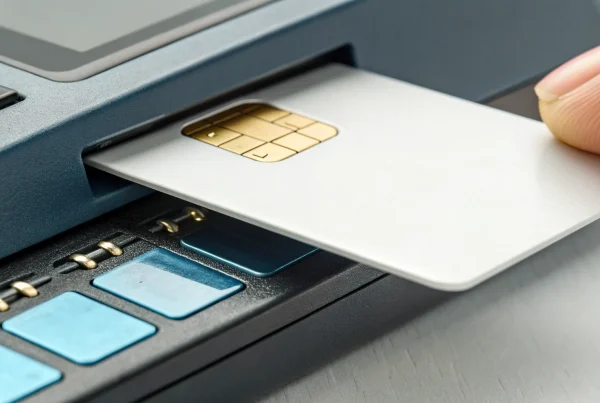
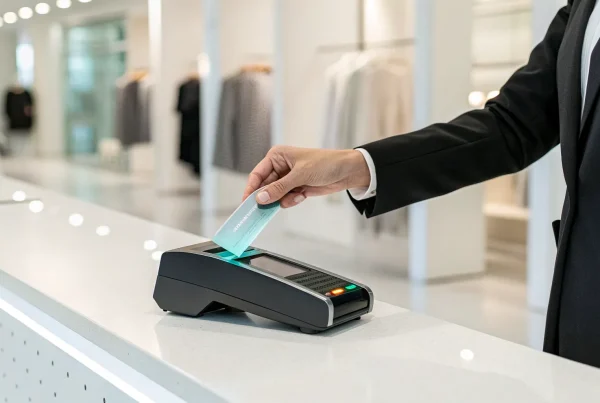
It might seem like magic, but the process is a lightning-fast sequence of events. When a customer is ready to pay, they’ll tap, swipe, or enter their card details. Your provider instantly sends this payment information through secure channels to the card networks and the customer’s bank for approval. The bank checks if the customer has enough funds and if the transaction looks legitimate.
Once it gets the green light—which usually happens in a couple of seconds—the approval message is sent back. The customer’s account is charged, and the transaction is complete. Behind the scenes, the provider then works to get that money from the customer’s bank and deposit it into your business bank account. They manage the entire payment process so you can focus on running your business.
Their Role in Every Transaction
So, what is your provider doing during that split-second transaction? Their primary role is to be a secure messenger and facilitator. When a customer presents their card, the provider’s system encrypts the sensitive card data and sends it through the appropriate card network. This isn’t a direct line to the bank; it’s a secure digital highway built for this exact purpose.
The provider routes the request to the customer’s bank (the issuing bank), which is responsible for approving or declining the charge. Once the decision is made, the provider relays that message back to your point-of-sale system or website. If approved, they ensure the funds are captured and settled into your account, typically within a few business days. They handle the security, communication, and fund movement for every single sale.
Busting Common Myths About Merchant Accounts
Here’s where things can get a little confusing, so let’s clear it up. A common myth is that a merchant account is just a special type of bank account. While a traditional merchant account is an account provided by a bank for accepting payments, the term “merchant account provider” refers to the company offering the service.
Some modern companies, often called payment service providers or aggregators, bundle everything together. With them, you might not need a separate, dedicated merchant account because you’re technically using their master account. This is why it’s important to understand the distinction: the provider is the service partner, and the merchant account is the financial tool they use to get you paid.
The Non-Negotiables: Key Features to Look For
Choosing a merchant account provider feels a lot like hiring a key team member. You’re not just looking for the cheapest option; you’re looking for a reliable partner who will support your business as it grows. While pricing is definitely a big piece of the puzzle, it shouldn’t be the only thing you consider. The right provider offers a combination of flexibility, security, and support that makes your life easier and helps you serve your customers better. Think of it as the central nervous system of your sales operations—when it works well, everything runs smoothly. When it doesn’t, it can cause major headaches that ripple through your entire business.
Before you even look at the rates, it’s crucial to create a checklist of must-have features. These are the non-negotiables that separate a basic service from a true business partner. We’re talking about the ability to accept the payments your customers actually use, not just the ones that are convenient for the processor. It means having ironclad security that protects you and your customers from fraud, giving everyone peace of mind. It’s about ensuring the system integrates seamlessly with the tools you already rely on, from your website to your accounting software. And when things inevitably go wrong, it’s about knowing you can get a real person on the phone to help you solve the problem quickly. Finally, it’s about getting clear, useful data from your sales that you can use to make smarter decisions. These are the features that can make or break your payment processing experience.
What Types of Payments Can You Accept?
Imagine a customer is at your checkout, ready to buy, but you can’t accept their preferred payment method. It’s a lost sale and a frustrating experience for everyone. Your provider should allow you to accept all the ways your customers want to pay. This includes standard credit and debit cards, but also think about the growing popularity of digital wallets like Apple Pay and Google Pay. Depending on your business, you might also want to offer “buy now, pay later” options. The bottom line is this: the more payment options you can offer, the smoother the checkout process will be for your customers, leading to happier shoppers and more completed sales.
Keeping Your Business and Customers Safe
In the world of payments, security is everything. You’re handling sensitive customer data, and a breach can be devastating for your reputation and your finances. Your merchant account provider must be PCI compliant, which is the industry standard for protecting cardholder data. This isn’t just a technical detail; it’s a fundamental requirement for building trust with your customers. A secure provider invests in technology like encryption and tokenization to ensure every transaction is protected, giving both you and your customers peace of mind. Don’t be afraid to ask potential providers directly about the specific security measures they have in place.
Does It Work With Your Other Tools?
Your payment processor doesn’t operate in a vacuum. It needs to play nicely with the other tools you use to run your business every day. Before signing up, check if the service integrates smoothly with your existing software, whether it’s your e-commerce platform, accounting software like QuickBooks, or your point-of-sale (POS) system. A seamless e-commerce integration saves you from manual data entry, reduces the risk of errors, and gives you a more accurate, real-time view of your business performance. This allows you to spend less time on administrative tasks and more time focusing on what you do best.
Who Can You Call When Things Go Wrong?
When your payment system goes down during a holiday rush, the last thing you want is to be stuck navigating an automated phone menu. Problems happen, but what matters is how quickly and effectively they’re resolved. Excellent customer support is non-negotiable. Look for a provider that offers access to real, knowledgeable humans who can help you when you need it most. Before you commit, it’s a great idea to check reviews from other business owners. See what they say about the provider’s support team. A partner who is responsive and helpful in a crisis is worth its weight in gold.
Understanding Your Sales with Better Reporting
Your transaction data is a goldmine of information, but only if you can actually understand it. A great merchant provider gives you more than just a list of transactions. They offer clear, intuitive reporting and analytics tools that help you see the bigger picture. You should be able to easily track sales trends, identify your busiest hours, and understand customer spending habits. This kind of sales data is crucial for making informed decisions about inventory, staffing, and marketing. Look for a provider that turns your raw data into actionable insights that can help you grow.
Let’s Talk Money: Understanding the Costs
Okay, let’s get real about the numbers. Understanding the costs of a merchant account can feel like trying to read a different language, but it’s one of the most important things you’ll do for your business’s financial health. When you know what you’re paying for, you can protect your profits and avoid those nasty surprises on your monthly statement. We’re going to break down the common fees so you can walk into any conversation with a provider feeling confident and in control. A good partner will be upfront about their pricing, helping you see exactly where your money is going.
Breaking Down Transaction Fees
The most common fee you’ll encounter is the transaction fee. This is a small percentage taken from every single sale you make. Most merchant services charge somewhere between 2% and 3% per transaction, sometimes with a small flat fee added on, like 10 or 20 cents. While that might not sound like much on a single purchase, it really adds up over a month, especially if you have a high volume of sales. This fee is the bread and butter for processing companies, so it’s a non-negotiable part of accepting cards. Your goal is to find a rate that’s competitive and fair for the value you’re getting.
Monthly Fees vs. One-Time Setup Costs
Beyond the per-transaction cost, you’ll likely see other fees on your statement. Some providers charge a one-time setup fee to get your account running, while others have a recurring monthly fee for account maintenance, customer support, and other services. It’s also common to see a combination of both. A merchant services provider might waive the setup fee but have a slightly higher monthly cost, or vice-versa. Make sure you get a clear list of all one-time and recurring charges so you can accurately calculate your total monthly cost and budget accordingly. Don’t be afraid to ask for a complete fee schedule upfront.
Watch Out for These Hidden Fees
This is where you need to put on your detective hat. Unfortunately, some providers aren’t as forthcoming about extra charges that can pop up. Be on the lookout for things like minimum processing fees if you don’t hit a certain sales volume, or early termination fees if you need to close your account before the contract is up. You should also ask about chargeback fees, which are penalties you pay when a customer disputes a transaction. Always ask for a full fee schedule and read your contract carefully. A transparent partner will have no problem breaking down every potential cost for you.
A Head-to-Head Comparison of Top Providers
Choosing a merchant account provider can feel like a huge decision, but it helps to see how the top players stack up. Each one has its strengths, whether it’s simple pricing, brand recognition, or powerful customization. The right fit for your business depends on what you value most—be it straightforward costs, ease of use, or dedicated support. Let’s break down some of the most popular options so you can see which one aligns with your goals.
MBNCard: For Transparent Pricing and Personalized Service
If you’re tired of surprise fees and want a real person to call for help, MBNCard is built for you. We focus on creating a straightforward partnership with our merchants. Our pricing model is designed for clarity, so you know exactly what you’re paying for each month without having to decipher a complicated statement. More importantly, we provide personalized service with dedicated account managers. Instead of a generic support line, you get an expert who understands your business and can help you optimize your payment processing to save money and run more efficiently. It’s the ideal choice for business owners who value transparency and a supportive, long-term relationship.
Square: For Simple, Flat-Rate Pricing
Square is a popular starting point for many new and small businesses, and for good reason. It offers a complete, all-in-one system that includes hardware, software, and payment processing without requiring a traditional merchant account. Their biggest draw is the simple, flat-rate pricing. You’ll pay a predictable percentage on every transaction, like 2.6% + 15¢ for in-person payments. This simplicity is perfect for businesses that want to get up and running quickly without worrying about complex fee structures. While the rates might be higher for larger businesses, the ease of use and transparent Square Payments system make it an attractive option for those just starting out.
PayPal: For Brand Recognition and Easy Setup
Almost everyone knows and trusts the PayPal name, which can give your customers an extra dose of confidence at checkout. Setting up an account to accept payments with PayPal is incredibly easy, and you can start processing transactions almost immediately. There are no monthly fees, but transaction costs can vary quite a bit depending on the payment type. While funds arrive instantly in your PayPal account, transferring them to your bank can take a few days. It’s a solid choice for businesses that want to leverage a trusted brand name and need a quick, no-fuss setup, especially for online sales.
Stripe: For a Developer-Friendly Platform
If your business is tech-focused or you want complete control over your online checkout experience, Stripe is the go-to provider. It’s known for its powerful and flexible API, making it a favorite among developers who want to build custom payment solutions. Like Square, Stripe offers predictable flat-rate pricing at 2.9% + 30¢ for most online card transactions, with no monthly fees. While it’s incredibly powerful for e-commerce and software companies, it may be more complex than necessary for a simple retail shop. For businesses that need deep customization and have the technical resources to manage it, Stripe’s platform is hard to beat.
Traditional Banks: The Old-School Option
Many business owners start their search at their local bank, which is a familiar and established option. Banks can provide you with a merchant account, but they often operate on a more traditional model. This can mean long-term contracts with early termination fees, less transparent pricing structures, and monthly fees that can range from $20 to $50. While they offer stability, their approach can sometimes feel rigid and may not be the best fit for a modern, agile business. It’s always worth comparing their offer to more specialized providers to ensure you’re not getting locked into an outdated or expensive agreement for accepting credit cards.
Decoding the Pricing Models: What’s the Difference?
When you start comparing merchant account providers, the different pricing structures can feel like they’re written in another language. But understanding how you’re charged for each transaction is one of the most important parts of choosing a partner. Getting this right means no surprise fees, clearer monthly statements, and more money staying in your business. Think of it as the foundation of your payment processing costs; it directly impacts your profitability on every single sale.
Most providers use one of three main pricing models: Flat-Rate, Interchange-Plus, or Tiered. Each one has its own way of calculating the fees you pay every time a customer swipes, taps, or clicks to buy. There isn’t a single “best” model for everyone; the right fit depends on your sales volume, average transaction size, and how much predictability you want. Understanding these different merchant services pricing models is the first step to finding a provider that truly works for your bottom line, not against it. Let’s break down what each one means for you.
Flat-Rate Pricing
Think of flat-rate pricing as the “what you see is what you get” option. It’s the most straightforward model, charging you a single, fixed percentage plus a small per-transaction fee for every sale. A common example is 2.9% + 30 cents. The biggest advantage here is predictability. You always know exactly what you’ll pay, which makes bookkeeping and financial forecasting much simpler. This model is often a great starting point for new businesses, freelancers, or anyone with a lower monthly sales volume who values simplicity over getting the lowest possible rate on every single transaction.
Interchange-Plus Pricing
This model is built on transparency. It separates the two main costs of a transaction: the “interchange” fee and the processor’s markup. The interchange fee is the non-negotiable base rate charged by the credit card networks (like Visa or Mastercard). The “plus” is the small, fixed markup your payment processor adds on top for their service. Because the processor’s fee is clearly stated, you can see exactly what they’re making on each sale. While the interchange rates themselves can vary, this model is often the most cost-effective for established businesses, as you directly benefit from lower-cost transaction types.
Tiered Pricing
Tiered pricing groups transactions into different categories, or “tiers”—usually three: qualified, mid-qualified, and non-qualified. Your processor assigns a different rate to each tier, with qualified transactions (like a standard, in-person chip card payment) getting the lowest rate. The challenge is that the rules for how transactions are categorized are set by the processor and can be confusing. You often don’t know which tier a sale will fall into until you see your statement, which can lead to unpredictable costs. Many businesses find this model lacks the clarity of flat-rate or interchange-plus pricing.
How to Choose the Right Provider for Your Business
Picking a merchant account provider can feel a lot like dating. You’ll find plenty of options, but finding “the one” that truly gets your business takes a little more effort. The best provider isn’t a one-size-fits-all solution; it’s the one that aligns perfectly with how you operate, how you sell, and how you plan to grow. It’s easy to get distracted by flashy offers or the lowest advertised rate, but the right choice goes much deeper than that. A great provider acts as a true partner, offering the tools and support you need to make accepting payments simple and secure, so you can focus on what you do best.
To cut through the noise, you need to look at your business from a few key angles. Think about how many sales you process each month and the average size of those transactions. Consider the specific demands of your industry—a restaurant has different needs than an online clothing boutique. You also need a provider that fits into your existing tech setup without causing headaches. And finally, you have to be willing to read the fine print to understand what you’re really signing up for. By focusing on these four areas, you can confidently choose a partner who will support your business for the long haul, not just for the next transaction.
Your Business Size and Sales Volume
The needs of a brand-new Etsy shop are worlds apart from a multi-location retailer, and your payment provider should reflect that. Your sales volume is one of the biggest factors in determining the right pricing structure. For businesses just starting out or with lower monthly sales, a simple flat-rate model can be a great choice because it’s predictable. You know exactly what you’ll pay on every transaction.
However, as your business grows, a flat rate can start to eat into your profits. High-volume businesses often find that an interchange-plus pricing model is more cost-effective. It’s more transparent and typically results in lower overall costs once you’re processing a significant number of sales each month. Be honest about your current sales and future projections to find a model that scales with you.
Your Industry’s Specific Needs
Every industry has its own rhythm, and your payment processing should match it. A coffee shop needs a fast, reliable point-of-sale system to keep the morning line moving, while a contractor might need a mobile solution to accept payments on-site. Before you commit, make sure the provider can handle the specific payment types your customers prefer.
This goes beyond just accepting major credit and debit cards. Today, customers expect to pay with digital wallets like Apple Pay and Google Pay, or even use “buy now, pay later” services. If you run an online store, you’ll need a payment gateway that’s secure and easy to use. Don’t risk losing a sale because your checkout process doesn’t include a customer’s favorite way to pay.
Your Tech and Integration Requirements
Your payment processor should be a team player, not a difficult new hire that doesn’t get along with your existing systems. Think about the tools you already use to run your business every day. Does the provider’s software integrate smoothly with your e-commerce platform, like Shopify or WooCommerce? Can it connect to your accounting software to make bookkeeping less of a chore?
A seamless integration saves you time and prevents manual data entry errors. Before signing up, ask for a list of compatible software and apps. The goal is to create a connected ecosystem where your sales data flows automatically from your register or website to your back-office tools. This creates a much more efficient workflow and gives you a clearer picture of your business’s financial health.
The Fine Print: Contract Terms and Flexibility
This is where you need to put on your detective hat. A provider might offer a low introductory rate, but the contract can be filled with hidden costs and restrictive terms. Be on the lookout for long-term contracts that lock you in for years and charge steep early termination fees if you want to leave. A reputable provider will be confident enough in their service to offer a month-to-month agreement.
Also, ask for a full breakdown of fees beyond the transaction rate. What are the charges for PCI compliance, batch processing, or chargebacks? Some providers tack on extra fees that can quickly add up. A transparent partner will be upfront about all potential costs, so you know exactly what to expect on your monthly statement.
The Best Provider For Your Business Type
Choosing a merchant account provider isn’t a one-size-fits-all decision. The needs of a bustling coffee shop are completely different from those of an online clothing boutique or a freelance consultant. The right partner for you depends heavily on how you sell, your monthly sales volume, and the specific features that make your operations run smoothly. Think about your daily workflow: Do you need a physical terminal for in-person sales, a seamless online checkout for your website, or the ability to send invoices and accept payments on the go?
Understanding your business model is the first step to narrowing down your options. Some providers excel at creating all-in-one systems for specific niches, which can be incredibly convenient. Others offer more flexibility, allowing you to build a customized payment solution that fits your unique needs and can grow with you. This guide will walk you through some popular choices for different business types to help you identify what features matter most for your company.
Small Retail Shops
For small retail shops, simplicity and reliability are key. You need a system that just works, allowing you to manage inventory, process payments, and keep lines moving. An all-in-one solution that combines hardware, software, and payment processing can be a great starting point. For example, Square is well-known for providing a complete system that helps businesses accept all kinds of payments, both online and in person. Their integrated approach is designed to make merchant services straightforward for new business owners. While convenience is a huge plus, always compare the flat-rate fees of these systems with a provider that offers more tailored pricing, which could save you money as your sales grow.
E-commerce Stores
If you run an e-commerce store, your focus is on creating a secure and frictionless online checkout experience. Your payment provider must integrate flawlessly with your website platform to avoid abandoned carts and technical headaches. Shopify is a standout in this area because it seamlessly combines online and in-store sales into a single, easy-to-use system. This integration is especially valuable if you sell both online and at pop-up markets or a physical location. While many platforms have their own built-in payment solutions, it’s worth exploring other merchant services providers that can plug into your store and potentially offer lower transaction rates.
Service-Based Businesses
For consultants, contractors, and other service-based businesses, getting paid quickly and easily is the top priority. You need tools that support invoicing, recurring billing, and accepting payments online or via a mobile app. Cash flow is critical, so fast funding times are a must. Helcim is often recommended for service providers because it has no monthly fees and offers quick funding in just one to two business days. Low transaction costs are another major benefit for keeping overhead down. When you’re evaluating options, always ask about deposit schedules and whether there are any monthly minimums you’ll be required to meet.
High-Volume Companies
Once your business is processing a high volume of sales, every fraction of a percent in transaction fees starts to add up. For high-volume companies, finding a provider that can offer competitive, volume-based pricing is essential. Some providers, like Square, offer special custom pricing packages for businesses that process more than $250,000 annually. This is where pricing models like interchange-plus really shine. If your sales are consistently high, working directly with a provider to build a pricing plan tailored to your specific volume and transaction types can lead to significant savings compared to a standard flat-rate plan.
What’s Next? Trends in Payment Processing
The world of payments is constantly evolving, and staying current is key to keeping your customers happy and your business growing. It’s not just about accepting cards anymore; it’s about offering a secure, fast, and flexible checkout experience that meets modern expectations. As technology advances, so do the ways people prefer to pay. Keeping an eye on these shifts helps you make smarter decisions for your business, ensuring you’re not just keeping up, but staying ahead.
Looking forward, a few key trends are shaping the future of payment processing. We’re seeing a major shift toward mobile payments, driven by younger consumers who value speed and convenience above all else. At the same time, security is getting a major upgrade with artificial intelligence, helping to protect both you and your customers from fraud. The checkout process itself is also getting a makeover, with a focus on making it as seamless as possible. Finally, new payment methods are emerging that give customers more options than ever. Let’s take a closer look at what these trends mean for your business.
The Rise of Mobile and Digital Wallets
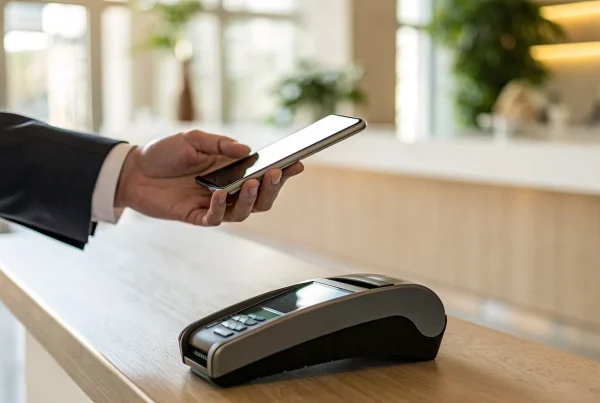
If you’ve ever used your phone to pay for coffee, you’re already part of this massive trend. Mobile and digital wallets like Apple Pay, Google Pay, and Samsung Pay are becoming the go-to payment method for many, especially younger shoppers. This generation is driving the demand for mobile and digital wallets because they offer unmatched convenience. A simple tap of a phone or smartwatch is all it takes to complete a purchase, eliminating the need to dig for a physical card. For business owners, offering these options is no longer a bonus—it’s becoming an expectation. It signals that your business is modern, efficient, and ready to meet customers where they are.
Smarter Security with AI
With more ways to pay comes a greater need for robust security. Thankfully, technology is rising to the challenge. The payment industry is seeing significant advancements in security, largely thanks to artificial intelligence (AI). AI-powered systems can analyze thousands of transactions in real-time, identifying suspicious patterns that might indicate fraud. Think of it as a highly intelligent security guard that never sleeps. For you, this means fewer fraudulent transactions and a reduction in costly chargebacks. For your customers, it provides peace of mind, knowing their sensitive information is protected by cutting-edge technology. This builds the trust that is essential for long-term loyalty.
Creating a Smoother Checkout Experience
How many times have you abandoned an online shopping cart because the checkout process was too long or complicated? Your customers are no different. A slow, clunky payment experience is a major sales killer. That’s why one of the biggest trends is the push for a frictionless checkout. Businesses that prioritize fast and seamless payments often see improved customer satisfaction and, in turn, more revenue. This could mean offering one-click purchasing for returning customers, simplifying forms, or ensuring your payment page loads instantly. The goal is to make the final step of a purchase so effortless that your customer doesn’t have to think twice.
New Ways for Customers to Pay
While credit and debit cards still dominate, they are no longer the only players in the game. We’re seeing a steady rise in alternative payment methods, particularly direct bank account-to-account payments. Sometimes called “Pay by Bank,” this option allows customers to pay directly from their bank account without using a card network. This method can offer lower transaction costs for merchants and gives customers who may not want to use a card another secure way to pay. Offering a variety of payment options ensures you can cater to a wider range of customer preferences, making it easier for everyone to do business with you.
Warning Signs: Red Flags to Avoid
Choosing a merchant account provider is a big decision, and while most companies are honest, some use confusing tactics to lock you into a bad deal. Knowing what to look for can save you from major headaches and hidden costs down the road. Think of it like this: you wouldn’t buy a car without checking its history, and you shouldn’t sign up for payment processing without looking for a few potential red flags.
The right partner will be transparent and flexible, growing with your business instead of holding it back. The wrong one can trap you in an expensive contract, surprise you with mystery fees, and leave you stranded when you need help. We’ll walk through the most common warning signs, from iron-clad contracts and confusing pricing to poor reviews and outdated technology. By learning to spot these issues early, you can confidently choose a provider who genuinely has your back. This isn’t about finding a “perfect” provider, but about finding one whose practices align with your business values—honesty, clarity, and a focus on partnership. A little due diligence now prevents a lot of frustration later, ensuring your payment processor is an asset, not a liability.
Long-Term Contracts with Steep Penalties
One of the biggest red flags is a long-term contract, especially one with a hefty early termination fee (ETF). Some providers try to lock you into a three- or even five-year agreement. A lot can change in that time! If your business grows, your needs change, or you simply find a better deal elsewhere, a steep penalty can make it impossible to switch. A great provider is confident enough in their service that they don’t need to trap you. Always ask about the contract length and what happens if you decide to leave. Flexibility is key for any growing business.
Vague or Confusing Fee Structures
If you look at a provider’s pricing and can’t make sense of it, that’s a problem. Some companies use complicated tiered pricing models to hide their actual rates, making your monthly statement a puzzle. You should always know exactly what you’re paying for each transaction. Look for providers who offer transparent pricing models, like interchange-plus or a simple flat rate. A trustworthy partner will be happy to walk you through their fee structure and answer all your questions until you feel completely comfortable. If they can’t explain it simply, it’s probably not a good deal.
A Pattern of Poor Customer Reviews
A quick online search can tell you a lot about a company. While any business can get a bad review now and then, a consistent pattern of negative feedback is a serious warning sign. Look for recurring complaints about specific issues like hidden fees, frozen funds, or terrible customer service. Check trusted, unbiased sites to see what real business owners are saying. Remember, problems can happen with any service; what matters is how the provider handles those issues. If you see a history of unresolved problems and unhappy customers, it’s best to stay away.
Limited Support for Popular Payment Methods
Your customers expect to pay how they want, whether that’s with a quick tap of their phone, a “buy now, pay later” service, or their corporate card. If a provider doesn’t support the payment methods your audience uses, you could be losing sales at the checkout counter. Make sure any provider you consider can accept all major credit and debit cards, as well as popular digital wallets like Apple Pay and Google Pay. A modern payment processor should help you meet your customers’ expectations, not limit your ability to make a sale.
Related Articles
- HOW TO APPLY – MBNCARD, Inc.
- How Leaders in Merchant Services Help Grow Your Business
- Understanding High Risk Merchant Accounts: What Are They?
- The Ultimate Guide to Point of Sale Systems
Frequently Asked Questions
How long will it take for the money from a sale to actually reach my bank account? This is one of the most important questions you can ask! Generally, you can expect to see the funds from your credit and debit card sales deposited into your business bank account within one to three business days. The exact timing depends on your provider and when you “batch out” or close your transactions for the day. A good provider will be upfront about their deposit schedule so you can manage your cash flow effectively.
Is interchange-plus pricing always the cheapest option for a small business? Not necessarily. While interchange-plus is often the most transparent and cost-effective model for businesses with high sales volume, it might not be the best fit if you’re just starting out. For new or low-volume businesses, the simplicity and predictability of a flat-rate plan can be more valuable. The best model truly depends on your monthly sales and how comfortable you are with a rate that varies slightly from one transaction to the next.
My business is small. Do I really need to worry about accepting digital wallets like Apple Pay? In short, yes. Accepting digital wallets is less about being trendy and more about making it as easy as possible for people to give you their money. Customers, especially younger ones, expect a fast and seamless checkout. If they have to dig for a physical wallet when they’re used to just tapping their phone, that small bit of friction can be enough to make them walk away. Offering these options shows your business is modern and customer-focused.
What’s the real difference between a dedicated merchant account provider and something like Square or PayPal? Think of it this way: companies like Square and PayPal are payment aggregators. They bundle many small businesses under their own master account, which makes getting started incredibly simple. A dedicated merchant account provider gives your business its own unique account. This often leads to more personalized service, better rates as your business grows, and a more stable financial partnership designed for the long term.
I’m stuck in a contract with a provider I don’t like. What’s the first step to switching? The very first thing you should do is find your current contract and read the section on termination. Look for the contract’s end date and the specific amount of the early termination fee, if there is one. Knowing this information gives you the power to decide if it’s financially worth it to leave early or if you should wait. Once you have that date, you can start shopping for a new partner without any pressure.