Why can’t a customer’s payment go directly into your business checking account? It’s a fair question. The answer lies in security and verification. A merchant account serves as a crucial intermediary, working with payment processors to confirm that funds are available and the transaction is legitimate before moving money. This process protects both you and your customer from fraud. It’s a non-negotiable part of modern commerce, but choosing the right one can feel overwhelming. We’ll simplify it for you, breaking down the different types and providing clear merchant account examples so you can see exactly how they function in real-world scenarios, from in-person retail to mobile service businesses.
Key Takeaways
- A merchant account is the essential link for accepting card payments: It’s a dedicated account that securely moves funds from your customer’s bank to yours, ensuring you get paid quickly and professionally.
- Match your merchant account to how you sell: Whether you operate in-person, online, or on the move, selecting the right type of account leads to smoother transactions, more favorable rates, and a better customer experience.
- Choose a provider who acts like a partner: Look beyond the lowest advertised rates and prioritize a provider who offers transparent pricing, robust security, and responsive customer support to protect your revenue and help your business thrive.
What Is a Merchant Account (And Why Do You Need One)?
Think of a merchant account as a special bank account that acts as the bridge between your customer’s bank and your business bank account. It’s a dedicated account that allows your business to accept credit card payments, debit cards, and other digital transactions. When a customer makes a purchase, the money doesn’t go directly into your checking account. Instead, it’s first routed to your merchant account, where the transaction is verified and processed.
So, why is this so important? Simply put, customers expect to pay with plastic. If you’re only accepting cash, you’re likely missing out on sales every single day. A merchant account is the key to opening your doors to the way most people prefer to shop, whether they’re buying from you in-person, online, or on the go. It’s not just a nice-to-have; it’s a fundamental tool for running a modern business. By setting one up, you’re ensuring a smooth, professional checkout experience that keeps customers happy and your revenue flowing.
How a Merchant Account Works
The process might sound complicated, but it’s actually quite straightforward. When a customer pays with their card, the transaction details are sent through a payment processor to the customer’s bank for approval. Once approved, the funds are transferred into your merchant account. This account acts as a temporary holding place. After the transaction is settled—which usually takes one to two business days—the money (minus any processing fees) is deposited directly into your primary business bank account. This entire cycle ensures that payments are verified, secure, and delivered to you reliably.
Key Benefits for Your Business
Beyond simply letting you accept card payments, a merchant account offers some major advantages for your business. First, it helps you make more sales by giving customers the convenient payment options they expect. Second, it significantly improves your cash flow. Instead of waiting weeks for checks to clear or invoices to be paid, funds from card sales typically land in your bank account within a couple of days. Finally, these accounts provide a crucial layer of security. They come with tools for fraud prevention and ensure transactions are handled safely, building trust with your customers and protecting your bottom line.
What Are the Different Types of Merchant Accounts?
Not all merchant accounts are created equal. The best one for you really depends on how you do business—where you sell, how your customers pay, and even what industry you’re in. Think of it like choosing the right tool for the job. You wouldn’t use a hammer to turn a screw, right? The same idea applies here. Picking the right type of merchant account ensures your payments run smoothly, your costs stay predictable, and your customers have a great checkout experience. Let’s walk through the main types so you can find the perfect fit for your business.
For In-Person Sales (Retail)
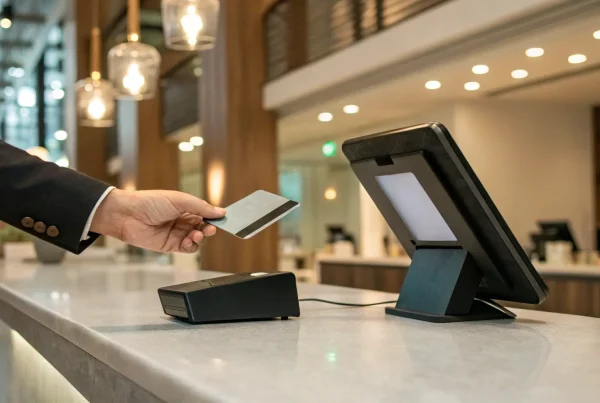
If you run a business with a physical location, like a boutique, coffee shop, or grocery store, a retail merchant account is your go-to. These accounts are designed for situations where the customer and their card are right there in front of you. Because most transactions involve swiping, dipping, or tapping a card, the processing rates are typically lower since the risk of fraud is reduced. You’ll use a credit card terminal or a full point-of-sale (POS) system to handle these payments. Many providers can help you get set up with the right hardware, making it simple to start accepting cards, gift cards, and even electronic checks.
For Online Sales (E-commerce)
For businesses that live online, an e-commerce merchant account is essential. This type is built to handle transactions where the card isn’t physically present. When a customer buys something from your website or app, they enter their card details on your checkout page. Behind the scenes, a payment gateway securely sends that information to the payment processor to get the transaction approved. It all happens in a matter of seconds, creating a seamless experience for your shoppers. This setup is crucial for any online store, subscription service, or app-based business looking to accept payments securely and efficiently from anywhere in the world.
For Sales on the Go (Mobile)
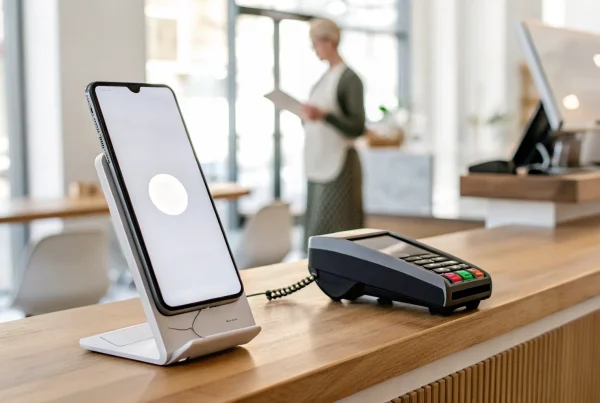
Are you always on the move? If you run a food truck, work as a contractor, sell at farmers’ markets, or provide in-home services, a mobile merchant account is your best friend. This account lets you accept payments wherever your business takes you. All you need is a smartphone or tablet and a small card reader, or a wireless payment terminal. You can process credit and debit cards on the spot, which means no more chasing down invoices or waiting for checks to clear. It’s all about making the payment process convenient for both you and your customers, right at the point of service.
For Phone or Mail Orders
Some businesses still thrive on sales made over the phone or through mail-in forms. If this sounds like you, a MOTO (Mail Order/Telephone Order) merchant account is what you need. With this type of account, you or your staff manually enter the customer’s credit card information into a virtual terminal—which is basically a secure web page—or a physical credit card machine. It’s a straightforward way to process payments when the customer isn’t there in person. This is a perfect solution for businesses that take catalog orders, book appointments over the phone, or handle B2B sales without a customer-facing website.
For High-Risk Industries
Certain industries are considered “high-risk” by payment processors due to a higher likelihood of chargebacks, fraud, or strict government regulations. Businesses in fields like travel, subscription boxes, credit repair, or online gaming often need a high-risk merchant account. While these accounts might come with higher fees or stricter terms, they are essential for operating legitimately. A specialized provider can help you get approved and ensure you have the right tools to manage risk effectively. Finding a partner who understands the complexities of your industry is key to securing a stable and reliable payment processing solution.
How Retailers Use Merchant Accounts
If you run a brick-and-mortar shop, boutique, or cafe, a retail merchant account is your key to accepting credit and debit card payments. Think of it as the financial engine working behind the scenes every time a customer makes a purchase. These accounts are specifically designed for businesses where customers pay in person, and they connect your point-of-sale (POS) system to the broader payment processing network. This allows you to securely authorize transactions and receive funds in your bank account.
Because the customer’s card is physically present during the transaction, these sales are considered lower risk than online or phone orders. This is great news for you, as lower risk often translates into more favorable processing rates. A retail merchant account doesn’t just process payments; it streamlines your entire checkout experience. It ensures that from the moment a customer taps their card to when the money lands in your account, the process is fast, secure, and seamless for everyone involved. It’s the foundation of modern in-person commerce, allowing you to meet customer expectations and manage your sales efficiently.
Processing Payments In-Store
At its core, a retail merchant account makes in-store payments possible. When a customer is ready to check out, they can pay by swiping the magnetic stripe, inserting the EMV chip, or tapping their card or phone for a contactless payment. Your credit card terminal or POS system reads the card information and sends it through the payment network for approval. This entire process happens in just a few seconds.
This setup is essential for any physical storefront, from a bustling grocery store to a small local gift shop. It provides a professional and secure way to handle transactions, giving your customers the convenience they expect. By having the right payment processing solution, you ensure every sale is captured quickly and reliably.
Integrating with Your POS System
Your merchant account works hand-in-hand with your Point of Sale (POS) system. While the merchant account handles the payment processing, your POS system manages other critical parts of the transaction, like calculating the total, tracking inventory, and printing receipts. A smooth integration between the two is crucial for an efficient checkout process.
When your systems are properly connected, the sales total from your POS is automatically sent to the card reader. This eliminates the need for your staff to manually key in the amount, which reduces human error and speeds up the line. A fully integrated POS system creates a seamless flow, allowing you to focus more on customer interaction and less on the mechanics of the transaction.
Accepting Card-Present Transactions
One of the biggest advantages of a retail merchant account is its ability to handle card-present transactions. This simply means the customer’s physical credit or debit card is present at the point of sale. This is the most secure type of transaction because security features like the EMV chip and PIN verification can be used to confirm the cardholder’s identity.
Because the risk of fraud is significantly lower when the card is physically there, payment processors typically offer lower rates for these transactions compared to online or over-the-phone sales. This security benefits both you and your customers, building trust and protecting your business from fraudulent chargebacks. Understanding the dynamics of transaction risk helps you appreciate why in-person sales are often more cost-effective to process.
How Online Businesses Use Merchant Accounts
For e-commerce businesses, a merchant account is the engine that drives every sale. Unlike a retail shop where customers can tap a card, online transactions require a secure and reliable system to move money from a customer’s bank to yours. Your
Whether you’re selling handmade goods, digital downloads, or subscription boxes, your merchant account is the essential link between your website and the global payment networks. It allows you to accept credit and debit cards from customers anywhere, turning your online store into a fully functional business. Without one, you’d be limited to accepting payments through third-party platforms that might have higher fees or less control. Let’s look at how the key pieces fit together to create a smooth checkout experience for your customers and a steady cash flow for you.
Connecting to a Payment Gateway
Think of your merchant account as your business’s special bank account for holding funds from sales. But how does the money get there from your website? That’s where a payment gateway comes in. The gateway is the secure digital bridge that connects your website’s checkout page to the payment processing networks. When a customer enters their credit card information, the gateway encrypts it and sends it securely to the card networks for approval. Once the transaction is approved, the gateway lets your website know, and the funds are routed to your merchant account. This entire process happens in just a few seconds, providing a fast and secure experience for your customers.
Integrating with Your Shopping Cart
A smooth checkout is crucial for preventing abandoned carts. Your merchant account and payment gateway integrate directly with your e-commerce platform’s shopping cart to make the payment process feel effortless. This integration allows customers to enter their payment details directly on your site without being redirected to another page, which builds trust and keeps the experience consistent with your brand. Behind the scenes, your shopping cart software communicates with the payment gateway to process the transaction. This automation saves you time on manual order entry and reduces the chance of errors, letting you focus on fulfilling orders and growing your business.
Managing Subscriptions and Recurring Payments
If your business runs on a subscription model, a merchant account that supports recurring billing is a game-changer. Instead of manually invoicing customers every month or hoping they remember to pay, you can set up automatic payments. This creates a predictable revenue stream for your business and offers a convenient, set-it-and-forget-it experience for your loyal customers. Your merchant account securely stores customer payment information (a process called tokenization) and automatically charges them based on the subscription schedule you set. This is perfect for subscription boxes, membership sites, and software-as-a-service (SaaS) products, as it helps reduce customer churn caused by missed or forgotten subscription payments.
Handling Card-Not-Present Transactions
Every time you make a sale online, you’re processing a “card-not-present” (CNP) transaction. This simply means the customer’s physical card isn’t present to be swiped or dipped. Because the card and cardholder can’t be physically verified, CNP transactions carry a higher risk of fraud compared to in-person sales. Payment processors often charge slightly higher fees for these transactions to cover the increased risk. That’s why it’s so important to partner with a merchant account provider that offers robust fraud protection tools. These features help you screen for suspicious activity and reduce your risk of chargebacks, protecting your revenue. Choosing the right types of merchant accounts with strong security is key for any online business.
How Mobile & Service Businesses Use Merchant Accounts
If your business operates on the go, you know that getting paid can be a logistical puzzle. Chasing down late payments, making frequent trips to the bank to deposit cash and checks, and turning away customers who don’t carry cash are all common headaches. Whether you run a bustling food truck, offer in-home repair services, sell your crafts at local markets, or provide consulting on-site, you need a payment solution that works where you do. This is where a mobile merchant account becomes your most valuable tool. It’s designed specifically for businesses on the move, allowing you to securely process credit and debit card payments using a device you already own: your smartphone or tablet.
Gone are the days of dealing with bounced checks or telling customers, “Sorry, we only take cash.” A mobile setup not only makes your business look more professional but also makes it incredibly convenient for your clients to pay you on the spot. This simple shift can dramatically improve your cash flow and help you capture sales you might have otherwise missed. Instead of sending an invoice and waiting weeks for payment, you can complete a job and have the funds in your account within days. It’s all about making the payment process as smooth and reliable as the service you provide.
Using Mobile Card Readers
The magic behind accepting payments on the go often starts with a simple piece of hardware: a mobile card reader. These are small, affordable devices that plug into your smartphone or connect via Bluetooth, instantly turning your phone into a secure point-of-sale terminal. You don’t need a clunky, traditional cash register to process card payments like a major retailer. A compact reader and your phone are all it takes to handle transactions from anywhere. This technology is a game-changer for small businesses, making professional credit card processing accessible and affordable. It allows you to securely accept all major credit cards without investing in expensive, bulky equipment.
Accepting Payments Through an App
A mobile card reader is only half of the equation; the other half is a powerful payment app on your phone or tablet. When you swipe, dip, or tap a customer’s card, the app is what securely encrypts and transmits the payment information for approval. It’s the digital brain of your mobile payment setup. But these apps can do more than just process sales. Many allow you to send digital receipts, track your sales history, and even manage a simple product catalog. For service businesses, you can also use a payment app to send invoices and allow clients to pay directly from their phone, creating a seamless experience from start to finish.
Taking Payments in the Field
Putting it all together, a mobile merchant account empowers you to take payments right where the work happens. Think about a plumber finishing a job and taking payment right in the customer’s kitchen, or a vendor at a bustling farmers market easily handling a long line of customers. Consultants can close a deal and accept a deposit during a client meeting. This on-the-spot capability is crucial for any business that operates outside of a traditional retail space. It eliminates the friction of invoicing later and waiting for a check. By offering a convenient payment method, you improve the customer experience and ensure you get paid faster. These flexible types of merchant accounts are designed to move with your business.
Breaking Down Merchant Account Fees
Let’s be honest: no one loves talking about fees. But understanding what you’re paying for is the first step toward finding a provider that truly fits your business. Merchant account statements can feel intentionally confusing, filled with jargon and line items that don’t make much sense. The good news is that most fees fall into just a few main categories.
When you partner with a transparent provider, you’ll know exactly where your money is going. The goal isn’t just to pay fees—it’s to invest in a service that helps you get paid securely and efficiently. Let’s pull back the curtain on the most common costs so you can review your statements with confidence.
Transaction and Processing Fees
These are the costs you’ll see most often, as they’re charged every time a customer makes a purchase. Transaction fees are the core of payment processing costs and are typically a small percentage of the sale plus a fixed amount per transaction. They cover the work of moving money from your customer’s bank to yours.
You might also encounter other transaction-related costs. A batch fee is a small charge for settling your daily transactions, like closing out the register at the end of the day. A chargeback fee is applied if a customer disputes a charge and you lose the claim. Understanding these per-transaction costs is crucial for accurately forecasting your expenses and protecting your revenue from costly disputes.
Monthly and Setup Costs
Beyond the cost of each sale, many providers charge fixed fees to maintain your account. A setup fee is a one-time charge to get your account up and running, though many modern providers have eliminated this. You may also see a monthly fee (sometimes called a statement fee) or an annual fee for account maintenance and support.
Some providers also have a monthly minimum fee. This means if your transaction fees for the month don’t reach a certain threshold, you’ll be charged the difference. This is designed to ensure your account remains profitable for the processor, but it can be a burden for new or seasonal businesses. It’s important to ask about these fixed costs upfront to avoid any surprises.
Equipment and Gateway Fees
Finally, you have fees related to the technology you use to accept payments. For brick-and-mortar stores, this could be the cost of leasing or purchasing a POS system or credit card terminal. For online businesses, you’ll likely pay a fee for a payment gateway, which is the software that securely connects your website’s shopping cart to the payment network.
You may also see a PCI compliance fee. This fee covers the provider’s cost of maintaining the strict security standards required to protect cardholder data. While it might seem like just another charge, it’s a critical part of keeping your customers’ information—and your business—safe from fraud.
What to Look For in a Merchant Account Provider
Choosing a merchant account provider is one of the most important decisions you’ll make for your business. It’s about more than just finding the lowest rate; it’s about finding a true partner who can support your growth. The right provider makes accepting payments feel effortless, while the wrong one can cause headaches with hidden fees, unreliable service, and frustrating support. When you’re comparing your options, it’s easy to get lost in the details of different pricing models and contract terms.
Instead of getting bogged down, focus on the four pillars of a great merchant services partnership: transparent pricing, robust security, seamless integrations, and reliable customer support. A provider that excels in these areas will do more than just process transactions—they’ll provide a stable foundation for your operations. Think of it this way: your payment processor handles your revenue stream. You want to entrust that to a company that is clear about its costs, protects you and your customers from fraud, works well with the tools you already use, and is there to help when you need it most.
Transparent Pricing
Let’s be honest: no one likes surprise fees. One of the biggest complaints business owners have about payment processors is confusing statements and unexpected charges. A trustworthy provider will be upfront about their pricing structure. Whether they offer interchange-plus, flat-rate, or savings programs like cash discounting, you should be able to understand exactly what you’re paying for each transaction. Don’t just look for the lowest advertised rate. Instead, ask for a complete schedule of fees and have the sales representative walk you through it. A partner who values transparency will take the time to explain everything, ensuring the price you see is the price you get.
Strong Security and Compliance
In a world where data breaches are all too common, security is non-negotiable. Your merchant account provider is your first line of defense in protecting your customers’ sensitive payment information. At a minimum, your provider must be PCI DSS compliant, which is the industry standard for securing card data. But great providers go a step further, offering advanced fraud protection tools like tokenization and end-to-end encryption. They should act as your guide to compliance, helping you understand your responsibilities and making it easier to keep your business and your customers safe from fraud. This protects your reputation and saves you from potentially devastating fines.
Seamless Integrations
Your payment processing system shouldn’t operate on an island. It needs to connect smoothly with the other tools you use to run your business every day. Before signing with a provider, make sure their technology integrates with your existing setup. This could be your point-of-sale (POS) system, your e-commerce shopping cart, or your accounting software like QuickBooks. Seamless integrations save you time by automating tasks, reduce the risk of human error from manual data entry, and create a more professional checkout experience for your customers. Your provider should make your workflow simpler, not more complicated.
Reliable Customer Support
When your payment system goes down, your business comes to a halt. That’s why reliable, accessible customer support is absolutely critical. Imagine it’s your busiest day of the year and your terminal stops working—you don’t want to be stuck navigating an endless phone menu or waiting hours for a callback. Look for a provider that offers responsive support from real people who understand your business. Check their reviews to see what other merchants say about their service. A great partner provides dedicated support, ensuring that if an issue ever arises, you can get it resolved quickly and get back to serving your customers.
Common Pitfalls When Choosing a Provider
Choosing a merchant services provider is a big step for your business. While it’s exciting to get set up to take payments, it’s easy to get tripped up by a few common issues. The right partner can be a huge asset, but the wrong one can lead to headaches, hidden costs, and lost revenue. Knowing what to watch out for ahead of time can save you a lot of trouble down the road. Let’s walk through some of the most common pitfalls so you can make a choice you feel confident about.
Confusing Fee Structures
This is probably the biggest one. You’ll see providers advertising super-low rates, but when you get your first statement, it’s filled with charges you don’t recognize. Many companies use complicated, multi-tiered pricing models that make it nearly impossible to predict your actual costs. These complex fee structures can hide junk fees, assessment charges, and other markups that eat into your profits. Always ask for a clear, simple breakdown of every single fee you’ll be charged. If a provider can’t explain their pricing in a way that makes sense to you, that’s a major red flag. Look for partners who prioritize transparency with programs like flat-rate pricing or cash discounting.
Lack of Quality Support
When your payment system goes down, every minute counts. You need to know you can get a real, knowledgeable person on the phone who can help you solve the problem quickly. Unfortunately, some providers outsource their support or rely on automated systems that leave you running in circles. Poor customer support isn’t just frustrating—it can lead to lost sales and damage your reputation with customers. Before you sign a contract, ask about their support hours, find out if you’ll have a dedicated representative, and check online reviews to see what other business owners are saying about their service. Your peace of mind is worth it.
Weak Fraud Management
In the world of digital payments, security is non-negotiable. A provider with weak fraud management tools leaves your business vulnerable to chargebacks, data breaches, and significant financial loss. You need a partner who takes a proactive approach to security. This includes offering features like real-time transaction monitoring, address verification services (AVS), and CVV verification to flag suspicious activity before it becomes a problem. A provider’s risk management strategy should be comprehensive and customizable to fit your business’s specific needs. Don’t be afraid to ask detailed questions about their security protocols and PCI compliance support. It’s your business on the line, after all.
Inflexible Service Options
The payment solution that works for you today might not be the right fit a year from now. As your business grows, your needs will evolve. You might expand from a brick-and-mortar shop to an e-commerce store, or you might start taking payments at trade shows and local markets. A provider with inflexible service options can hold you back. You need a partner who can grow with your business, offering a full suite of solutions from countertop terminals to mobile readers and online payment gateways. Make sure your provider can support your long-term vision, not just your immediate needs.
How to Choose the Right Merchant Account
Finding the right merchant account is about more than just securing the lowest rate. It’s about finding a partner who understands your business and can support your growth. The right provider can make your operations smoother, keep your costs predictable, and ensure your customers have a great checkout experience. Making the wrong choice, however, can lead to frustrating service interruptions, surprise fees, and limitations that hold you back.
Choosing the right merchant services provider is a critical decision for any business, as it directly impacts your payment processing efficiency, costs, and customer experience. To make the best choice, you need to look closely at how your business operates, what different providers bring to the table, and where you see your company heading in the future. Let’s walk through the key steps to finding a merchant account that fits your business perfectly.
Assess Your Business Model
First, take a good look at how you sell. A coffee shop that primarily handles in-person transactions has very different needs than an online store that manages recurring subscriptions. Do you need a physical terminal for card-present sales? A seamless payment gateway for your e-commerce site? Or maybe a mobile solution for taking payments at craft fairs or on service calls? Your business model dictates the technology and features you’ll need. Think about your daily operations and list the essential functions your payment processor must support to keep things running smoothly for you and your customers.
Compare Provider Options
Once you know what you need, it’s time to see who can provide it. Selecting a merchant account provider is not an off-the-shelf choice, but a decision that requires you to balance price, features, security, and service. Don’t just jump at the lowest advertised rate. Instead, compare providers based on the total value they offer. Look for transparent pricing structures, reliable customer support, and strong security measures to protect your business and your customers. A dependable provider with a robust network is crucial for preventing downtime and ensuring you can always process payments when you need to.
Understand Your Processing Volume
Your sales volume—both the number of transactions and the total dollar amount you process each month—is a huge factor in choosing a provider. Some merchant account providers may not be able to handle a sudden spike in sales, making it difficult for your business to grow. Be realistic about your current processing volume and think about your growth goals. A provider should be able to scale with you. Sharing your processing history and future projections can also help you negotiate better rates, as many providers offer customized pricing for businesses with higher volumes.
Related Articles
- How to Open a Merchant Account Online: A 5-Step Guide
- Top 10 Questions to Ask Merchant Credit Card Processors
- 5 Best Portable Credit Card Machines for Small Business
- Signs It’s Time to Change Your Merchant Payment Processor
Frequently Asked Questions
What’s the real difference between a merchant account and my business bank account? Think of it this way: your business bank account is your company’s financial home base where you pay bills and manage payroll. A merchant account is more like a secure, temporary waiting room for money from your credit and debit card sales. Funds from a transaction go into the merchant account first to be verified and processed, and then, after a day or two, they are transferred over to your main business bank account. You need this special account to act as the bridge between your customer’s bank and your own.
Can’t I just use a service like Square or PayPal instead of getting a full merchant account? You certainly can, and for some brand-new or very small businesses, those services are a great starting point. They are known as payment aggregators, meaning they group many small businesses under one large merchant account. While convenient, this can sometimes lead to less stability, higher flat-rate fees as you grow, and less personalized support. A dedicated merchant account is established just for your business, often resulting in more competitive rates, greater stability, and a direct support relationship as your sales volume increases.
How quickly will I actually get my money after a sale? This is one of the most important questions for managing your cash flow. For most merchant accounts, you can expect to see the funds from your card sales deposited into your business bank account within one to two business days. The process involves “batching” or settling all of your transactions at the end of the day. Once that batch is processed, the transfer to your bank is initiated. A good provider will be clear about their funding times so you know exactly when to expect your money.
What is PCI compliance, and how much work is it for me? PCI compliance is simply a set of security standards that all businesses must follow to protect customers’ credit card information from fraud. It sounds intimidating, but a good merchant account provider makes it much easier to handle. They will provide you with secure technology—like compliant terminals and payment gateways—that takes care of the most complex requirements. Your main responsibility will be to follow best practices, and your provider should give you clear guidance on what you need to do to stay compliant.
Are the fees and contract terms negotiable? In many cases, yes. While some providers have standard pricing, a great partner will be willing to discuss your specific business needs to find a solution that works for you. Your sales volume, average transaction size, and the types of cards you accept all play a role in the rates you can get. Don’t be afraid to ask questions and have a conversation about the pricing. The goal is to find a long-term partner, and a provider who values your business will be open to finding a fair and transparent arrangement.