The price you see on a credit card terminal is rarely the full story. The true cost of accepting payments is a mix of hardware fees, transaction rates, and often, a handful of hidden charges that show up on your monthly statement. For many business owners, these unexpected costs can slowly eat away at profits. This guide pulls back the curtain on what you’ll really pay. We’ll review the best hardware on the market and show you how to find a transparent partner, so you can choose a credit card machine for your small business with a clear understanding of the total cost.
Key Takeaways
- Choose a partner, not just a machine: Your payment processor has a bigger impact on your business than the terminal itself. Look for a partner with transparent pricing, great support, and fair contract terms to protect your bottom line.
- Find the right fit for your workflow: The best terminal is one that matches how you do business. Assess your daily sales volume, where you take payments, and your need for POS integration to choose the right type of machine.
- Understand the total cost: The price of the machine is just the beginning. To find the true cost, factor in the hardware, your transaction rates, and any hidden monthly fees or contract penalties before you sign an agreement.
The Best Credit Card Machines for Small Businesses: Our Top Picks
Finding the right credit card machine can feel like a huge task, but it doesn’t have to be. The market is full of great options, and the best one for you really depends on your specific business needs. Are you running a busy restaurant that needs something durable and fast? A pop-up shop at a local market where portability is key? Or a classic brick-and-mortar retail store that needs a reliable countertop solution? Each scenario calls for a different type of tool, and what works for one business might not be the right fit for another.
Before we get into the hardware, it’s important to remember that the machine is just one piece of the puzzle. The real engine behind your transactions is your payment processor. The right payment processing partner is what truly makes the difference by providing transparent pricing, reliable support when you need it most, and fast funding to keep your cash flow healthy. Think of the terminal as the vehicle and the processor as the team that keeps it running smoothly on the road to success. A great machine paired with a subpar processor can still lead to headaches, so always consider the full picture.
Our Favorite Payment Terminals
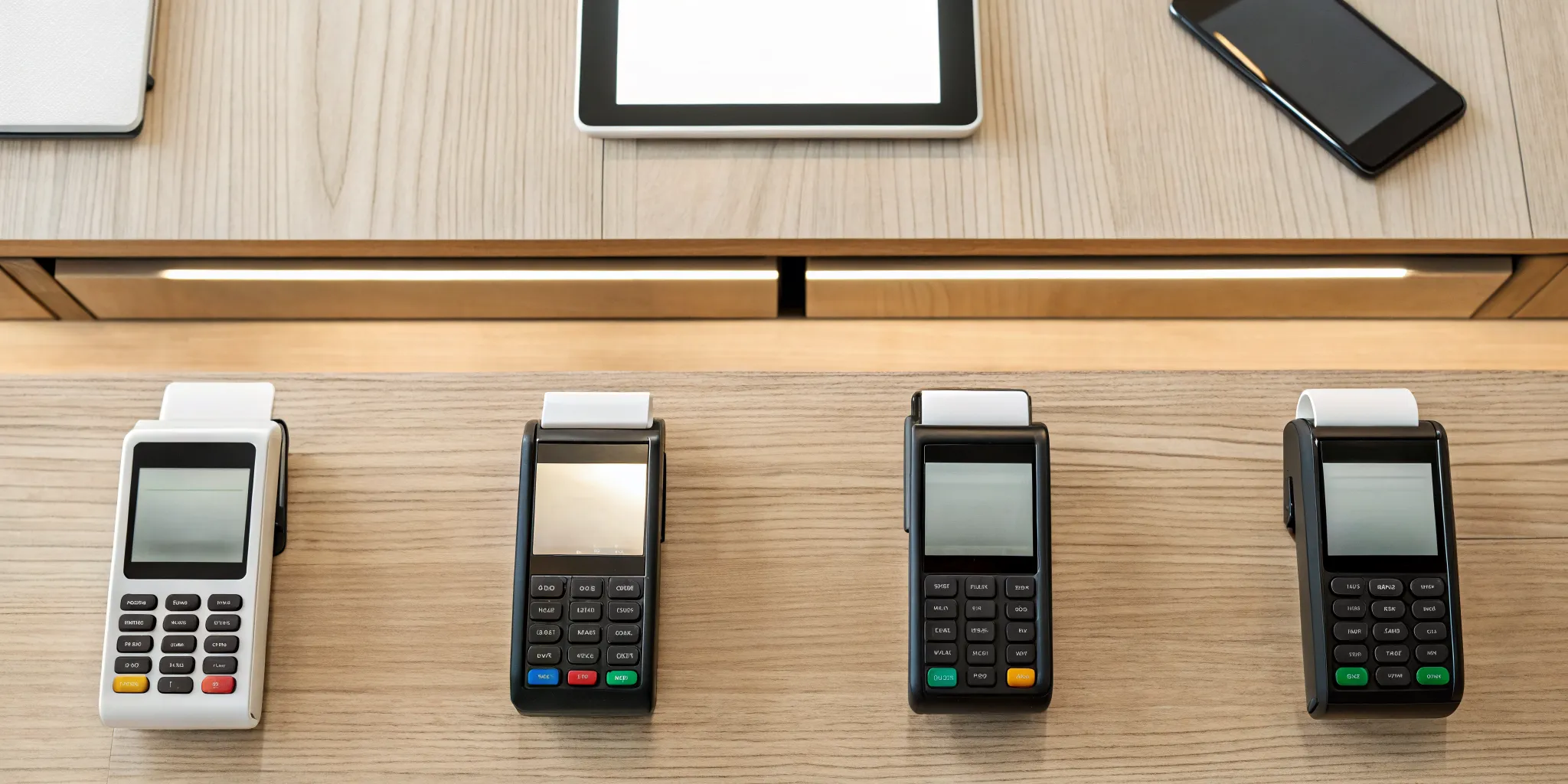
Now, let’s look at the hardware. The devices on this list are trusted by thousands of small businesses for their reliability and user-friendly design. We’ll walk through what makes each one stand out, who it’s best for, and what you can expect from its features. Whether you prioritize portability for your on-the-go business, all-in-one functionality to save counter space, or the lowest possible processing fees to protect your bottom line, there’s a terminal here that can meet your needs. This guide will help you compare the top contenders and find the perfect match to help your business thrive.
Square Terminal
The Square Terminal is a fantastic all-in-one device that’s perfect for businesses that need simplicity and reliability. It’s a compact, sleek machine that lets you accept all kinds of payments right out of the box, from chip cards and contactless taps to traditional swipes. With a built-in receipt printer and a battery that lasts all day, it saves precious counter space and keeps you running during a rush. One of its best features is the free Square point-of-sale software that comes pre-installed. Setup is incredibly simple, and if your internet ever goes out, the offline payment mode has you covered for up to 24 hours. At $299, it’s an affordable investment for cafes, small retail shops, and service providers.
Clover Flex
If you need a powerful business tool that fits in the palm of your hand, the Clover Flex is an excellent choice. This device is much more than just a credit card reader; it’s a full-featured handheld POS system. It’s designed for businesses on the move, whether you’re taking orders tableside, busting lines during a busy sale, or selling at an off-site event. The Clover Flex allows you to not only accept payments but also manage your inventory, track sales data, and even handle employee permissions. Its portability and robust feature set make it ideal for restaurants, food trucks, and retail stores that need the flexibility to complete transactions anywhere. It combines the convenience of a mobile reader with the power of a traditional POS system.
Helcim Smart Terminal
For business owners who are tired of confusing statements and unpredictable fees, the Helcim Smart Terminal is a breath of fresh air. Helcim is known for its commitment to transparent pricing, offering interchange-plus rates that are often much lower than the flat-rate models used by other providers. This means you pay the true wholesale cost of the transaction plus a small, clear markup, so you always know exactly what you’re paying. The terminal itself is a modern, all-in-one device that works seamlessly with Helcim’s software. It’s a great fit for businesses with steady sales volume that want to minimize processing costs. If you prioritize affordability and transparency, Helcim’s approach is definitely worth a look.
SumUp Solo
The SumUp Solo is the perfect entry-level terminal for new businesses, solo entrepreneurs, and anyone who needs an ultra-portable, no-fuss payment solution. It’s one of the most affordable standalone readers available, and its small, lightweight design makes it easy to carry anywhere. It even comes with a smart charging dock and free mobile data, so you can take payments without relying on Wi-Fi. This device is all about simplicity, with an intuitive touchscreen that makes checkout quick and easy for both you and your customers. The SumUp Solo is ideal for market vendors, artists, and mobile service providers who need a reliable way to accept card payments without a big upfront investment or complicated setup.
PayPal Zettle Reader
If your business already operates within the PayPal ecosystem, the PayPal Zettle Reader is a natural fit. This reader is designed for merchants who frequently use PayPal and Venmo for transactions, integrating smoothly with your existing accounts to keep all your funds in one place. The Zettle reader is compact, easy to use, and offers competitive transaction fees. Its biggest advantage is the ability to accept PayPal and Venmo QR code payments, which is a huge plus for attracting customers who prefer using these popular apps. This makes it a top choice for online sellers who also run pop-up shops, as well as cafes and boutiques that want to offer customers more flexible payment options.
Toast Go
The Toast Go is purpose-built for the demanding environment of the food and beverage industry. Restaurants, bars, and cafes need equipment that can withstand spills, drops, and the general chaos of a busy service, and the Toast Go delivers. It’s a durable, spill-proof handheld device with a battery designed to last through a double shift. Beyond its rugged design, the Toast Go is a powerful tool for improving restaurant efficiency. It allows servers to take orders and payments directly at the table, which speeds up service and reduces errors. It integrates seamlessly with the entire Toast restaurant management platform, connecting your front-of-house and back-of-house operations. For any food service business, this terminal is a game-changer.
What to Look For in a Credit Card Machine
Choosing a credit card machine can feel like a big decision, but it doesn’t have to be complicated. Think of it as picking the right tool for the job. The best terminal for a bustling coffee shop will be different from the one a freelance photographer takes on location. Your goal is to find a device that makes taking payments simple, secure, and fast for both you and your customers.
Before you get caught up in specific brands or models, it helps to have a checklist of key features. Consider how you do business day-to-day. Do you need something that can handle a long line of customers quickly? Do you need to take payments away from the counter? Does it need to work with your existing inventory system? Answering these questions will help you narrow down the options and find a machine that truly fits your business needs, rather than forcing you to work around its limitations. Let’s walk through the most important features to look for.
Accept All Payment Types (EMV, NFC, Mobile Wallets)
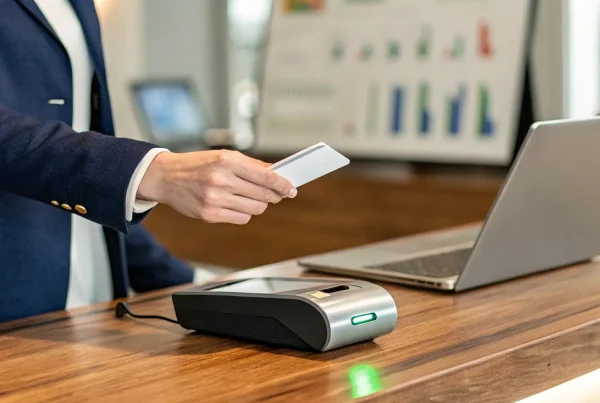
Your customers expect payment flexibility, so your machine should be ready for anything. At a minimum, it needs to accept EMV chip cards (the standard for secure transactions) and magstripe cards for older cards. More importantly, it must handle NFC, or “tap-to-pay,” transactions. This technology powers popular mobile wallets like Apple Pay and Google Pay, which are quickly becoming the preferred payment method for many shoppers. Accepting all payment types means you never have to turn away a sale because a customer forgot their physical wallet. It shows you’re a modern business that values convenience.
Prioritize Security and PCI Compliance
Protecting your customers’ payment data is one of your most important responsibilities. A secure credit card machine is your first line of defense against fraud and data breaches. Look for terminals that use encryption to scramble card information the moment it’s captured, making it useless to hackers. Your machine must also be EMV compliant to process chip cards securely. This, along with following other best practices, helps you maintain PCI compliance, which is a set of security standards designed to protect cardholder data. Choosing a secure machine protects your customers and saves your business from potential fines and reputational damage.
Look for Speed and Reliability
Nothing frustrates a customer more than a long wait at checkout. A slow or unreliable credit card machine can create bottlenecks, especially during your busiest hours. When evaluating a terminal, consider its processing speed. How quickly does it authorize a transaction? Does it have a responsive touchscreen and a user-friendly interface? Some modern terminals even feature an offline mode, allowing you to continue accepting payments if your internet connection temporarily goes down. A fast, dependable machine ensures a smooth checkout experience, keeping your lines moving and your customers happy.
Check for POS System Integration
Your credit card machine shouldn’t be a standalone gadget. For maximum efficiency, it should integrate seamlessly with your Point of Sale (POS) system. When your terminal and POS system work together, every transaction is automatically recorded. This simplifies your bookkeeping, helps you manage inventory levels in real-time, and keeps your customer information organized in one place. This integration eliminates the need for manual data entry, which reduces the risk of human error and frees up your time. Many of the top-rated credit card machines for small businesses are designed with this connectivity in mind.
Consider Battery Life and Portability
If your business operates beyond a traditional countertop, portability is key. Restaurants that take payments at the table, food trucks, market vendors, and service providers who work on-site all need a machine that can move with them. Look for a lightweight, handheld terminal with a long-lasting battery that can get you through a full day of sales without needing a charge. A portable device gives you the freedom to accept payments anywhere, improving customer convenience and speeding up your workflow. This flexibility is essential for any business on the move.
Decide on Built-in Receipt Printing
While email and text receipts are becoming more common, many customers still prefer a physical copy. A terminal with a built-in printer offers the best of both worlds without cluttering your counter with extra hardware. The Square Terminal, for example, combines a payment processor and printer into one sleek device. This all-in-one approach saves valuable space and ensures you can always provide a receipt when a customer requests one. If you primarily serve customers who are happy with digital receipts, you might opt for a smaller mobile reader and send receipts from a tablet or phone.
Countertop vs. Mobile vs. All-in-One: Which Type Fits Your Business?
Choosing a credit card machine can feel like a big decision, but it really comes down to one simple question: Where do you meet your customers? The right terminal for a bustling coffee shop with a line out the door will be completely different from what a freelance photographer needs on location. Thinking about your daily workflow is the best way to figure out which type of machine will make your life easier and your checkout process smoother for customers.
The three main categories are countertop, mobile, and all-in-one. A countertop terminal is the classic, reliable workhorse you see at most retail checkout counters. A mobile reader gives you the freedom to take payments anywhere, from a farmers market stall to a client’s living room. An all-in-one, or “smart” terminal, blends the power of a countertop machine with the flexibility of a mobile device, often including extra features like a built-in printer and inventory tools. Don’t get caught up in finding the single “best” machine on the market. Instead, focus on finding the best fit for how you actually run your business. Let’s look at each type so you can confidently pick your match.
Countertop Terminals: Best for Fixed Locations
If your business has a dedicated checkout area, a countertop terminal is your most reliable option. Think of retail stores, restaurants, salons, and auto repair shops where customers always pay in the same spot. These machines are built to be stationary. They plug directly into a power source and often connect to the internet via an ethernet cable, giving you a stable and fast connection you can count on during a busy rush.
Because they’re designed to stay put, countertop terminals are durable and can handle a high volume of transactions day in and day out. They are a straightforward, no-fuss solution for any business that needs a dependable way to accept card payments at a fixed point of sale.
Mobile Readers: Perfect for Businesses on the Move
Do you take your business on the road? If you’re a vendor at craft fairs, a food truck owner, a contractor making house calls, or a stylist who travels to clients, a mobile card reader is essential. These compact devices are designed for portability, connecting wirelessly to your smartphone or tablet via Bluetooth to process payments from anywhere with a cell signal.
Mobile readers give you the flexibility to close a sale on the spot, which means you never have to miss out on a transaction because you can’t accept a customer’s preferred payment method. They’re also great for businesses like restaurants that want to offer tableside payments or retailers looking to reduce wait times by having staff check customers out anywhere in the store.
All-in-One Terminals: The Ultimate Smart Solution
All-in-one terminals, often called smart terminals, are the perfect hybrid of power and portability. These devices operate as a single, standalone unit, so you don’t need to connect them to a separate phone or tablet. They come with their own touchscreen interface, a built-in receipt printer, and often a barcode scanner, combining the functions of a cash register and a payment terminal into one sleek device.
This makes them a fantastic choice for businesses that need more than just a simple payment reader but don’t want a bulky, complex POS system. Cafes, quick-service restaurants, and modern boutiques love all-in-one terminals because they are powerful enough to manage sales and inventory yet flexible enough to be carried around the store or used for curbside pickup.
How Much Does a Credit Card Machine Really Cost?
Figuring out the true cost of a credit card machine can feel like solving a puzzle. The price you see for the physical device is just one piece. The total cost is a combination of the hardware, ongoing service fees, and any initial setup charges. It’s easy to focus on the shiny new terminal, but the transaction rates and monthly fees are what will impact your business month after month.
Understanding these different costs is key to protecting your profit margins. The fees you pay for payments have a direct effect on how you price your products, the money you take home, and even your customer’s checkout experience. Let’s break down the three main areas you need to look at to understand the complete picture and avoid any surprises on your monthly statement.
Hardware Costs: Should You Buy or Lease?
First up is the cost of the machine itself. You generally have two options: buy it outright or lease it. Simple mobile card readers that connect to your phone can be very affordable, while more advanced standalone smart terminals typically run from $200 to $800.
Buying your equipment means a higher upfront cost, but you own it for good. This is usually the most cost-effective route. Leasing, on the other hand, offers a low initial cost but can lock you into a long, non-cancellable contract that ends up costing you far more over time. Be very careful with leasing agreements; they often contain confusing terms and can be difficult to get out of. For most small businesses, purchasing your credit card reader is the smarter financial move.
Understand Service Fees and Processing Rates
This is where the bulk of your payment processing costs will come from. Every time you accept a card payment, a small percentage of the sale goes toward processing fees. For most small businesses, these credit card processing fees fall somewhere between 1.5% and 3.5% of each transaction.
These rates cover the interchange fee (paid to the customer’s bank), the assessment fee (paid to the card brand like Visa or Mastercard), and the processor’s markup. Your goal is to find a processor with a transparent pricing model and a competitive markup. Don’t be afraid to ask for a detailed breakdown of the rates and fees so you know exactly what you’ll be paying on every sale.
Watch for Setup and Installation Fees
Finally, look out for any one-time fees required to get your system up and running. Some processors charge an application or account setup fee just to open your merchant account. If you need help installing the terminal or integrating it with your point-of-sale (POS) system, there might be an additional charge for that service.
It’s also a good idea to ask about other potential charges right from the start. While some costs are ongoing, knowing about them upfront prevents future headaches. Ask your provider for a complete list of all potential fees, including any monthly minimums, statement fees, or charges for batch processing. This helps you avoid the common hidden costs that can catch business owners by surprise.
What Hidden Fees Should You Watch Out For?
When you’re comparing credit card machines, the upfront hardware cost and the advertised processing rates are just the beginning. The real story is often in the fine print, where hidden fees can quietly drain your profits. In fact, some reports show that over 90% of small businesses end up paying more in processing fees than they originally expected. These unexpected charges can turn a great deal into a financial headache.
The key is to know what to look for before you sign a contract. Many providers bundle extra charges into their agreements, from monthly account fees to steep penalties you might not see coming. Let’s pull back the curtain on the most common hidden fees so you can find a payment processor who values transparency as much as you do. A good partner will be upfront about all potential costs, ensuring you know exactly what you’re paying for each month.
Statement and Account Maintenance Fees
Think of these as the “just because” fees. A statement fee is a monthly charge for the “service” of sending you a breakdown of your transactions, something that should be standard. Similarly, an account maintenance fee is a recurring charge just for keeping your merchant account active. While these charges might only be $10 or $20 a month, they can add up to hundreds of dollars per year.
Some processors will try to justify these by bundling them with other services, but they are often just padding for their bottom line. Before you commit, ask for a complete schedule of all monthly and annual fees. A transparent partner will provide a clear breakdown of costs, and many modern payment processing models have moved away from these nickel-and-dime charges altogether.
Early Termination and PCI Non-Compliance Penalties
This is where hidden fees can get really expensive. An early termination fee (ETF) is a penalty for closing your account before your contract expires. These contracts can lock you in for years, and an ETF could cost you hundreds or even thousands of dollars, making it difficult to switch providers even if you’re unhappy with the service. Always look for a processor that offers month-to-month agreements.
Another major penalty is the PCI non-compliance fee. PCI compliance is a set of security standards designed to protect customer card data. If your business isn’t compliant, your processor can charge you a hefty monthly penalty until you are. A good partner won’t just penalize you; they’ll provide tools and support to help you become and stay compliant easily.
Equipment Return and Damage Charges
If you decide to lease your credit card machine instead of buying it, pay close attention to the equipment agreement. Many contracts include fees that you might not expect. For example, if you switch processors and need to return the terminal, you could be hit with a “restocking” or “return” fee, even if the equipment is in perfect condition.
You are also on the hook for any damage to the machine. If a terminal stops working or gets a cracked screen, you could be charged a significant repair or replacement fee. These costs are often determined by the processor, leaving you with little room to negotiate. Reading the fine print on your lease agreement is critical to understanding your liability and avoiding costly surprises down the road.
How the Right Credit Card Machine Helps Your Business
A credit card machine is more than just a tool for taking money. It’s a central part of your customer’s experience and a key player in your daily operations. The right terminal can do so much more than swipe a card; it can help you make more sales, streamline your checkout process, and even simplify your bookkeeping. Think of it as an investment in your business’s efficiency and growth. When you choose a machine that fits your needs, you’re not just buying hardware. You’re setting up a system that supports your staff, reassures your customers, and gives you more time to focus on what you do best. Let’s look at a few specific ways the right payment terminal can make a real difference.
Accept More Payment Types to Increase Sales
Today’s customers expect to pay how they want, when they want. If you only accept cash or a single type of card, you could be turning away sales without even realizing it. A modern credit card machine allows you to accept everything from traditional magnetic stripe and EMV chip cards to contactless payments like Apple Pay and Google Pay. By offering a wide range of payment options, you make it easier for everyone to buy from you. This flexibility not only captures more customers but can also increase how much they spend, since they aren’t limited by the cash in their wallet. It’s a simple change that can have a direct impact on your bottom line.
Speed Up Transactions and Reduce Wait Times
Nothing frustrates a customer more than a long, slow checkout line. A fast and reliable credit card machine is your best defense against wait times. Quick tap-to-pay transactions and speedy chip card processing keep the line moving, which is crucial during your busiest hours. This efficiency leads to happier customers who are more likely to return. It also frees up your staff to focus on helping other people instead of wrestling with a slow terminal. Plus, faster transactions mean you can serve more customers in the same amount of time, directly contributing to your daily sales volume. A smooth checkout process is a small detail that leaves a big, positive impression.
Build Customer Trust with Professional Payments
How you handle payments says a lot about your business. A modern, secure terminal shows customers that you take their financial security seriously. When they see a professional device that accepts EMV chips and contactless payments, it builds immediate trust. This is why PCI compliance is so important; it’s the industry standard for protecting cardholder data. A secure transaction process reassures customers that their information is safe, making them feel more comfortable shopping with you again. This confidence is the foundation of customer loyalty. An outdated or unreliable machine can create doubt, but a professional payment experience reinforces your credibility and keeps people coming back.
Automate Your Records and Reduce Errors
As a business owner, your time is your most valuable asset. The right credit card machine can give you some of that time back by simplifying your bookkeeping. Many modern terminals integrate directly with your point-of-sale (POS) system or accounting software, like QuickBooks. This means sales data is automatically recorded, which drastically reduces the time you spend on manual data entry and reconciliation. It also minimizes the risk of human error, ensuring your financial records are accurate and up-to-date. With automated reporting, you get a clear picture of your sales trends, which helps you make smarter business decisions without getting buried in paperwork.
How to Choose the Right Credit Card Machine for Your Business
Picking the right credit card machine feels like a big decision, but it doesn’t have to be complicated. It’s less about finding the fanciest terminal and more about finding the one that fits seamlessly into your daily workflow. Think of it as hiring a new team member: you want one that’s reliable, efficient, and works well with your existing setup. To find the perfect match, let’s walk through a few key questions that will help you narrow down the options and choose a machine that supports your business goals.
Assess Your Sales Volume and Business Needs
First, take a look at your daily operations. Are you processing hundreds of small transactions an hour, like a bustling coffee shop, or a few larger sales a day, like a custom furniture store? A high-volume business needs a fast, durable machine that can keep the line moving. If your sales are less frequent, you might prioritize other features over raw speed. Also, consider where you make your sales. Do customers always come to a checkout counter, or do you need the flexibility to take payments on the sales floor, at a table, or at an off-site event? Answering these questions will give you a clear picture of your fundamental needs.
Compare the Total Cost of Ownership
The sticker price of a credit card machine is only one piece of the puzzle. To understand the true cost, you need to look at the total cost of ownership. This includes the upfront hardware cost, any monthly software or service fees, and the transaction rates you’ll pay on every sale. A terminal that seems cheap initially might come with higher processing fees that cost you more in the long run. Ask for a complete breakdown of all potential costs. A transparent payment processing partner will provide clear, easy-to-understand pricing so you can accurately budget and avoid any surprises on your monthly statement.
Check Integration with Your Current Systems
Your credit card machine should make your life easier, not create extra work. That’s why it’s so important to check if it integrates with the systems you already use. If you have a Point of Sale (POS) system, you’ll want a terminal that syncs with it automatically. This connection allows you to manage sales, track inventory, and view customer data all in one place, which saves you time and reduces the risk of manual entry errors. A seamless integration streamlines your entire operation, from the moment a customer pays to when you close out your books at the end of the day.
Factor in Your Mobility Needs
Think about where you and your staff need to accept payments. Your business’s physical layout and sales process will determine whether you need a stationary or mobile device. A traditional retail store might be perfectly served by a countertop terminal at the front desk. However, if you run a restaurant and want to offer tableside payments, a portable terminal is a must. For businesses that are always on the go, like food trucks, mobile detailers, or vendors at farmers’ markets, a compact mobile reader that pairs with a smartphone or tablet is the ideal solution for accepting payments anywhere.
Choosing a Partner, Not Just a Machine
Selecting a credit card machine can feel like the main event, but the real decision is choosing the right payment processor. The terminal is just the hardware; the processor is the partner that handles every transaction, manages your funds, and supports your business behind the scenes. A great machine with a bad processor can lead to high fees, frustrating service, and lost revenue. Think of it this way: you’re not just buying a tool, you’re entering a long-term financial relationship. The right partner will offer transparent pricing, reliable support, and fair terms that help your business grow.
Why Your Processor Matters More Than the Hardware
It’s easy to get focused on the sleek design or features of a terminal, but the processor is what truly impacts your bottom line. Every time a customer swipes, dips, or taps their card, your processor gets to work. They handle the complex, behind-the-scenes tasks like fraud checks, fund transfers, and payment settlement. The payment processing fees you pay cover this essential service. A processor that prioritizes partnership will help you understand these costs and find ways to minimize them, ensuring more of your hard-earned money stays in your pocket. They are the engine, while the machine is just the dashboard.
Demand Transparent Pricing
Hidden fees can quickly turn an affordable processing deal into a financial headache. Unfortunately, some processors hide costs in the fine print. A 2024 report found that over 90% of small businesses end up paying more in fees than they originally expected. Common hidden costs include statement fees, batch processing charges, and penalties for not meeting PCI compliance standards. A trustworthy partner will provide a clear, itemized breakdown of every fee. Don’t be afraid to ask for a full fee schedule and question any charge you don’t understand. True partners are transparent because they want to build long-term trust, not make a quick buck.
Evaluate Customer and Technical Support
When your payment system goes down during a lunch rush, the last thing you want is an automated phone menu or an unhelpful chatbot. Your processor’s customer and technical support can make or break your business operations. Before signing up, find out what their support looks like. Can you speak to a real person? Are they available during your business hours? A great partner provides accessible, knowledgeable support to help you troubleshoot terminal issues, understand your monthly statement, or resolve a funding delay. This human element is often the biggest difference between a simple vendor and a true business partner.
Review Contract Terms for Flexibility
Your business is going to evolve, and your payment processing agreement should be able to grow with you. Carefully review the contract terms before you commit. Look for things like contract length, cancellation policies, and early termination fees, which can lock you into a service that no longer fits your needs. A good partner offers flexible terms because they are confident in the value they provide. They won’t need to trap you in a long-term contract. Instead, they’ll focus on earning your business every month with great rates and even better service, giving you the freedom to make the best choices for your company.
Related Articles
- 6 Best Small Business Credit Card Machines
- How to Accept Credit Cards for Small Business in 4 Steps
- 5 Best Portable Credit Card Machines for Small Business
Frequently Asked Questions
What’s more important: the credit card machine or the payment processor? Think of it this way: the machine is the car, but the processor is the engine and the support crew. The processor handles every transaction, moves your money, and is who you call when something goes wrong. A great machine can’t save you from a processor with high fees, confusing contracts, and poor service. Always prioritize finding a transparent and supportive payment partner first; they will help you select the right hardware for your needs.
Is it better to buy my credit card machine or lease it? For the vast majority of small businesses, buying your equipment is the most cost-effective choice. Leasing might seem appealing because of the low upfront cost, but it often locks you into a long-term contract that costs far more over time. These agreements can also be very difficult to cancel. When you own your terminal, you have more control and flexibility to make changes as your business grows.
With so many features, what’s the one thing I absolutely need in a credit card machine? If you have to focus on one area, make it payment flexibility. Your machine absolutely must accept EMV chip cards and NFC contactless payments, which includes mobile wallets like Apple Pay and Google Pay. This ensures you can securely accept how your customers want to pay, so you never have to turn away a sale. It also shows your customers that you are a modern business that values their convenience and security.
Can I use my existing credit card machine if I switch to a new payment processor? Sometimes, but not always. Many credit card machines are programmed to work only with the processor that sold them. However, some terminals are “unlocked” and can be reprogrammed by a new provider. Before you switch, ask the new processor if your current hardware is compatible. A good partner will be honest about your options and help you figure out the most efficient path forward.
How can I be sure I’m not getting charged hidden fees? The best defense is to ask direct questions before you sign a contract. Request a complete schedule of every single fee, not just the main processing rate. Specifically ask about monthly statement fees, batch fees, PCI compliance penalties, and early termination fees. A transparent partner will be happy to provide a clear breakdown and explain every charge. If a provider is vague or avoids answering, that’s a major red flag.